

AquaFunded: Investing in Water Solutions
Explore AquaFunded 💧, a unique water investment solution boosting sustainability and infrastructure in Nigeria. Discover benefits and challenges today.
Edited By
Thomas Green
Bitcoin has become a popular investment choice for many Nigerians, especially as the naira experiences volatility and inflation pressures. However, understanding how Bitcoin works and how to invest wisely is key to avoiding losses and scams.
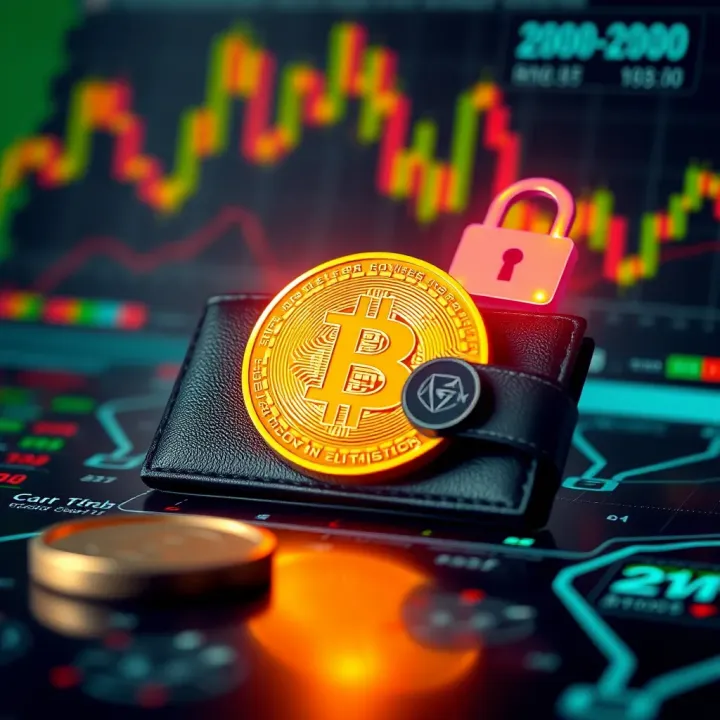
At its core, Bitcoin is a digital currency operated on a decentralised network called blockchain. Unlike traditional money controlled by banks or government agencies, Bitcoin is maintained by a network of computers spread worldwide. This means no central authority can manipulate or freeze your Bitcoin holdings.
For Nigerian investors, Bitcoin offers several advantages:
Hedging against the naira's instability. With persistent inflation and occasional currency controls, Bitcoin provides an alternative store of value.
Ease of cross-border transactions. Sending or receiving remittances using Bitcoin can bypass costly intermediaries.
Access to global markets. Bitcoin investment allows Nigerians to participate in a growing digital economy.
Nevertheless, investing in Bitcoin requires caution. The cryptocurrency market is highly volatile, with prices often swinging by double-digit percentages within days. Additionally, Nigeria’s regulatory environment remains unclear, with the Central Bank of Nigeria (CBN) placing restrictions on crypto payments but not banning ownership outright.
To invest safely:
Use reputable Nigerian or global exchanges like Binance NG, Quidax, or Luno.
Secure your wallet properly to avoid hacks or loss. Hardware wallets offer better protection than mobile apps.
Invest amounts you can afford to lose—never put your emergency savings into cryptocurrencies.
Stay updated on CBN guidelines and tax obligations via agencies like FIRS.
Bitcoin investment in Nigeria is an opportunity with real potential, but ignorance or haste can lead to costly mistakes. Understanding the underlying technology, market behaviour, and local rules is vital before committing your ₦.
In this article, we will explore practical steps to navigate this evolving landscape. From identifying trustworthy platforms to managing risks amid economic challenges, you’ll gain clear insights to make informed decisions.
Understanding what Bitcoin is and how it operates is key for anyone looking to invest in this digital asset within Nigeria's unique economic climate. Bitcoin is more than just an alternative currency; it represents a new way of transferring value without relying on traditional banking systems. This section breaks down its fundamentals and the practical workings behind it to help you invest knowledgeably.
Bitcoin is a form of digital money, created and exchanged electronically without a central authority like a bank. Think of it as electronic cash that you can send directly to another person anywhere in the world, without going through middlemen or traditional financial infrastructures. For Nigerians facing naira volatility and intermittent access to banking, Bitcoin offers a way to diversify holdings and conduct transactions independently.
Unlike the naira or dollar, Bitcoin isn’t controlled by any single government or company. It runs on a network of computers scattered globally, making it difficult for any individual or government to manipulate its supply or transactions. For Nigerian investors, this decentralisation means your Bitcoin holdings are less vulnerable to local banking policies or political instability.
At the heart of Bitcoin is blockchain—an open, tamper-proof ledger that records every transaction ever made. Imagine a ledger that everyone can see but no one can change without consensus. This transparency ensures trust and security, so when you buy or sell Bitcoin on platforms like Binance Nigeria or Luno, you can be confident the transaction is valid and irreversible.
To use Bitcoin, you need a wallet—software or hardware where your Bitcoin is stored digitally. Each wallet has an address, like an account number, which others use to send you Bitcoin. Nigerian investors often choose mobile wallets for ease, though hardware wallets offer better security, especially if you hold large amounts.
Transferring Bitcoin happens by sending from one wallet address to another. Once you enter the recipient’s address and amount, the transaction is broadcast to the network for processing. Unlike bank transfers, these transactions can occur quickly and directly, even across borders, making Bitcoin useful for Nigerians with relatives abroad or small businesses engaging in international trade.
Mining is the process that keeps the Bitcoin network running securely. Miners use powerful computers to solve complex puzzles that confirm transactions and add new blocks to the blockchain. Although mining is mostly done by specialised outfits overseas, it assures investors that transactions you make in Nigeria are genuine and protected from double spending or fraud.
Knowing how Bitcoin works empowers you to make safer investment choices and confidently navigate Nigeria's evolving crypto environment.
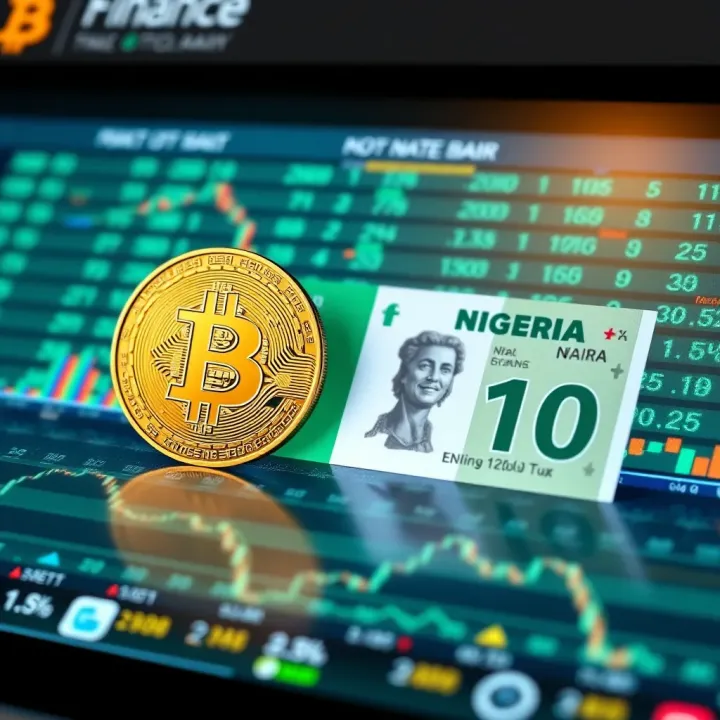
Nigerians have taken a keen interest in Bitcoin largely because it offers practical solutions to some persistent economic challenges. The ₦ has faced repeated devaluation over the years, which erodes savings and purchasing power. Bitcoin, with its limited supply and global acceptance, presents an alternative store of value that many see as a hedge against naira depreciation.
The Nigerian naira has suffered significant volatility due to factors like inflation, fluctuating oil prices, and regulatory policies. For instance, between 2015 and 2023, the naira weakened multiple times against the dollar, often by double-digit percentages annually. This volatility encourages individuals and businesses to explore assets that retain value better. Bitcoin’s decentralised design makes it less prone to national policy shocks. Since it cannot be printed or controlled by any central authority like the Central Bank of Nigeria (CBN), many Nigerians trust it as a means to preserve wealth during turbulent financial periods.
Apart from investment, Bitcoin serves a crucial role in cross-border payments. Traditional methods, such as wire transfers and remittances via Western Union or local banks, can be costly and slow. Bitcoin transactions typically incur lower fees and can settle within minutes, making them attractive for Nigerians sending or receiving money internationally. For example, diaspora Nigerians often use Bitcoin to support relatives back home, bypassing the frequent delays and bureaucracy of conventional banking channels. This convenience is especially welcomed during festive seasons like Sallah or Christmas when remittance demand spikes.
Nigeria’s fintech scene is increasingly integrating cryptocurrencies, reflecting wider acceptance of digital assets. Platforms such as Paystack, Flutterwave, and OPay have introduced crypto-related services either directly or through partnerships. This integration provides Nigerians with more accessible ways to buy, sell, or use Bitcoin in daily transactions. Moreover, startups focusing on crypto education and secure wallet solutions have sprung up, addressing knowledge gaps and security concerns. This uptake aligns with Nigeria’s youthful population, which is tech-savvy and eager to explore new financial technologies.
The rising interest in Bitcoin among Nigerians ties directly to their search for financial sovereignty and practical solutions to local economic hurdles. It’s no longer just about speculation but about addressing real needs in unpredictable economic conditions.
In summary, Bitcoin appeals to Nigerians as a store of value against naira volatility, an efficient tool for international money transfers, and a growing part of the fintech ecosystem enhancing financial inclusion and innovation. Understanding these motivations helps investors see why Bitcoin remains relevant in Nigeria’s unique economic context.
Starting your Bitcoin investment journey in Nigeria demands careful choices to ensure safety and profitability. Knowing where and how to buy your Bitcoin, setting up the proper wallets, and understanding the nuances of local transactions are all key steps. Given Nigeria's evolving financial and regulatory landscape, it's wise to approach Bitcoin investment methodically, focusing on trustworthy platforms and secure storage.
Choosing between local and international exchanges affects convenience and cost. Local platforms like BuyCoins and Bundle Africa allow you to fund directly with ₦naira, making deposits and withdrawals faster without much forex hassle. However, these platforms might list fewer cryptocurrencies and sometimes have higher fees compared to global exchanges.
International platforms such as Binance, FTX, or KuCoin offer a broader range of digital assets and usually more competitive fees. Yet, Nigerians often face challenges funding these accounts directly with naira due to CBN's restrictions on crypto payments, requiring workarounds like using stablecoins or third-party P2P (peer-to-peer) services.
Security should be non-negotiable. Nigerian investors should scrutinise exchange security protocols including two-factor authentication (2FA), cold storage use, and insurance policies against hacks. User reviews on forums like Nairaland or crypto-focused Telegram groups help gauge the platform’s reliability and responsiveness.
Beware of sudden account freezes or withdrawal delays which have troubled some Nigerian users. Always pick platforms with a track record of transparency and strong customer care, because losing access to your funds through poorly managed exchanges can be devastating.
Your Bitcoin wallet stores the private keys needed to access your coins. Hardware wallets like Ledger Nano S or Trezor are physical devices that keep keys offline, offering robust defence against hacks—ideal for holding larger Bitcoin amounts.
Software wallets are applications on your computer or smartphone, such as Electrum or Trust Wallet. These are user-friendly and suitable for frequent trading but expose you to higher risks if your device is compromised.
Mobile wallets offer convenience for everyday transactions and quick access but require strict security vigilance since your phone is more susceptible to theft or malware.
Backing up your wallet's recovery phrase is crucial. Nigerian investors should store their seed phrases safely, ideally in multiple physical locations to avoid total loss from fire, theft, or accidental disposal. Writing seed phrases on paper instead of digital notes reduces hacking risks.
Remember, no customer service can restore lost private keys. Proper safekeeping separates casual buyers from seasoned investors.
Funding typically starts by depositing ₦naira into your exchange account. Local bank transfers through platforms like OPay or Paystack-powered wallets make this straightforward. Some exchanges partner with Nigerian banks to enable instant funding.
Still, high naira volatility means timing your purchase can greatly affect costs. Consider purchasing during stable periods to avoid buying at peak prices.
Once funded, you can buy Bitcoin directly on the exchange. Local platforms often provide P2P options where you trade directly with other Nigerians using bank transfers or mobile money, which reduces friction caused by payment restrictions.
These local methods usually have lower fees but require caution: verify counterparties and transact on reputable platforms to avoid scams.
After purchase, transfers from exchanges to personal wallets are recommended for security. Leaving your Bitcoins on an exchange exposes you to platform risk.
For long-term holding, hardware wallets offer the best security. Meanwhile, software wallets suit those planning to trade frequently but ensure your devices have updated antivirus software and strong passwords.
Starting with a clear plan—choosing trusted exchanges, setting up secure wallets, and handling ₦naira efficiently—makes Bitcoin investing in Nigeria safer and more effective. Keep security at the centre and stay informed about market and regulatory shifts.
Investing in Bitcoin in Nigeria comes with risks that deserve close attention. Understanding these challenges helps investors avoid costly mistakes and manage their portfolios better. Bitcoin’s price swings, regulatory hurdles, and security threats are particularly relevant for Nigerian traders and investors operating in a market marked by currency volatility and evolving crypto laws.
Bitcoin’s value is known for its sharp ups and downs. Unlike traditional investments like Nigerian government bonds or fixed deposits, Bitcoin can swing 10-15% or more within days. For instance, in recent months, Bitcoin’s price fluctuated between $25,000 and $35,000, causing significant gains or losses for holders. Such volatility means investors must be prepared for sudden changes in the naira value of their holdings. It also makes timing essential—buying at a peak often leads to losses when the price dips.
Moreover, the market’s relatively low liquidity compared to established stocks can exacerbate price swings, especially when large holders decide to sell. For Nigerian investors who might also face restricted access to foreign exchange or capital controls, sudden market shifts can trap funds or create urgency to sell at unfavourable prices.
The Central Bank of Nigeria (CBN) has placed clear restrictions on using cryptocurrencies for payments since February 2021. Banks and financial institutions were instructed to close accounts linked to crypto transactions. This directive poses practical challenges, such as difficulty funding crypto exchange accounts directly from bank accounts or receiving funds linked to Bitcoin trading. Effectively, Nigerians often resort to peer-to-peer (P2P) trading platforms to bypass these banking restrictions.
This environment demands caution because while crypto investment itself isn't banned, the payment restrictions create operational hassles. Investors must stay wary of funding sources and transaction routes to avoid issues with banks or possible account freezes.
The regulatory landscape remains unsettled. There are ongoing discussions in government circles about drafting comprehensive cryptocurrency laws, which could introduce clearer rules on taxation, custody, and exchange operations. Such laws could either ease current challenges or tighten restrictions, possibly impacting access to crypto markets.
Nigerian investors should keep abreast of policy updates, as unexpected changes may affect how Bitcoins are bought, sold, or declared for tax purposes. Preparing now means adapting investment strategies quickly to comply with new legal frameworks when they eventually appear.
Instances of phishing continue to rise among Nigerian crypto users. Scammers lure victims via fake websites or messages pretending to be legitimate exchanges or wallet providers. They trick users into revealing private keys or login details, leading to theft of funds. For example, a common trick involves sending links that look similar to popular Nigerian crypto platforms like Bundle or BuyCoins but steal sensitive data.
Since crypto transactions cannot be reversed, falling for these scams usually means permanent loss. Therefore, recognising suspicious links, verifying URLs, and avoiding sharing private information online are essential safeguards.
Securing digital wallets goes beyond strong passwords. Investors should enable two-factor authentication (2FA) for accounts and consider hardware wallets for storing significant Bitcoin amounts offline. Backing up wallet seed phrases in physical form, such as writing them down and keeping them in a safe place, prevents loss if devices get stolen or damaged.
Besides personal vigilance, interacting only with well-reviewed exchanges and verified peer traders reduces exposure to fraud. Nigerian crypto users should also remain wary of offers promising guaranteed profits or too-good-to-be-true returns. These often signal scams targeting inexperienced investors.
Taking these risks seriously can help you navigate the Nigerian Bitcoin market confidently and protect your investment.
By understanding price volatility, keeping an eye on regulatory updates, and reinforcing security, Nigerian investors can handle the challenges of Bitcoin investment more effectively and avoid unnecessary setbacks.
Investing in Bitcoin in Nigeria demands a smart approach that balances potential gains with the risks inherent to crypto markets. These tips help you navigate volatility, regulatory changes, and security concerns, improving your chances of seeing real returns without taking unnecessary losses.
Bitcoin often experiences sharp price swings within days or even hours, which can tempt investors to make impulsive trades. Adopting a long-term viewpoint helps you ride out these ups and downs. For example, those who bought Bitcoin in Nigeria in 2017 and held on despite the steep crashes have seen substantial returns today. Rather than reacting to every market dip, focus on broader trends and the technology’s growing adoption. Treat Bitcoin like a long-term asset — similar to holding stocks in a high-growth company — instead of trying to time short-term market moves.
Putting all your money into Bitcoin alone can expose you to higher risks, especially given the volatility of cryptocurrencies. Spreading your investment across multiple digital assets, or including traditional options like stocks, bonds, and real estate, reduces your exposure. In Nigeria, you might combine Bitcoin holdings with stakes in local companies listed on the Nigerian Exchange (NGX) or invest in stablecoins pegged to the naira or dollar, which cushion against sharp swings. This approach means losses in one area may be offset by gains elsewhere, protecting your overall wealth.
Staying informed about developments in the Nigerian crypto space is critical. Changes like CBN’s stance on digital currencies or SEC guidance can impact Bitcoin’s usability and price. Nigerian websites such as Nairametrics and TechCabal frequently cover crypto news with insights relevant to local investors. Additionally, following expert voices on Twitter or joining Nigerian crypto forums provides early warnings about scams or policy shifts. Reliable news helps prevent costly surprises and guides better decision-making.
Beyond news, analytics platforms can track Bitcoin price movements, trading volumes, and on-chain data, giving you an edge in spotting trends. Tools like CoinGecko and Messari are popular globally, and many Nigerian traders use them alongside local market data. For instance, monitoring spikes in buy or sell orders might hint at upcoming price changes, allowing you to adjust your investment timely. Using such data-driven tools reduces guesswork and improves your chances of maximising returns while avoiding heavy losses.
Investing wisely means combining patience, diversification, and knowledge. In Nigeria’s complex market, these principles help you stay ahead and protect your ₦ investment against unexpected risks.
Explore AquaFunded 💧, a unique water investment solution boosting sustainability and infrastructure in Nigeria. Discover benefits and challenges today.
Discover how to choose the best trading app in Nigeria 🇳🇬 with tips on features, security, costs, and trusted platforms for smooth & safe trading 📱💹
Explore binary trade basics, benefits, and risks 📉📈 tailored for Nigerian traders. Get practical tips and smart strategies to boost your trading skills! 🇳🇬
📊 Dive into binary options trading in Nigeria! Learn how it works, spot risks, understand regulations, and get practical tips for smarter trades.
Based on 13 reviews