

Understanding Online Trading in Nigeria
Explore the essentials of being a successful online trader in Nigeria 🇳🇬. Learn key tools, trading types, legal tips, and how to navigate challenges effectively.
Edited By
Sophie Bennett
Instant funding in Nigeria has reshaped how people and businesses access money when they need it most. Unlike the traditional banking model, where funds can take days to clear, instant funding cuts through those delays. It delivers cash, or electronic credit, quickly—often within minutes—enabling immediate spending or investment.
This fast access is especially valuable for traders and investors who must seize opportunities without waiting for bank processing times. For example, a trader in a busy Lagos market may suddenly need extra cash to stock up on in-demand goods during the ember months. With instant funding services, they don’t have to wait for a bank transfer or loan approval that can take several days.
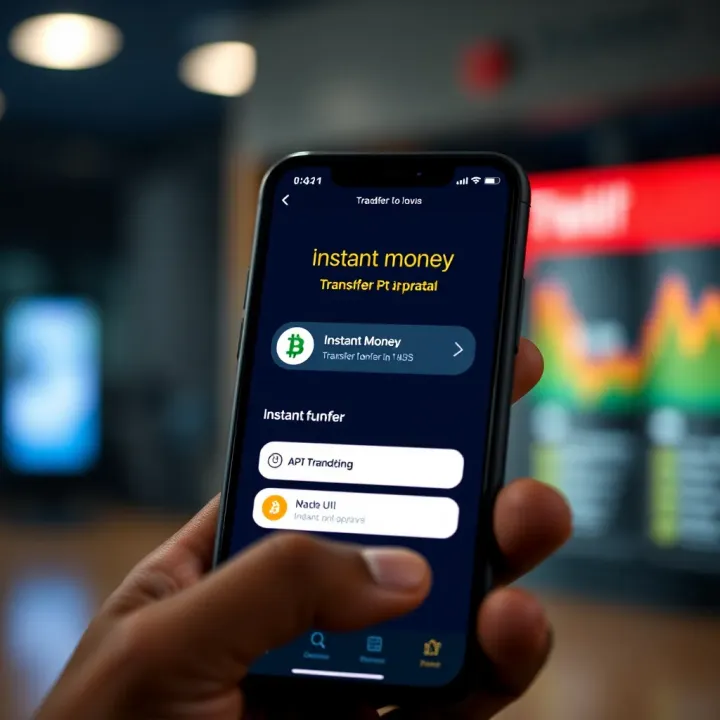
Instant funding bridges the gap between urgency and liquidity, helping businesses keep operations smooth and individuals meet pressing financial needs without delay.
Instant funding involves receiving money almost immediately through digital platforms or fintech companies. Instead of traditional loan processes, these services use technology to verify identity and creditworthiness quickly. This means funds can be disbursed fast, often via mobile apps, USSD codes, or direct wallet transfers.
Micro and small businesses: They rely on instant funding to handle daily cash flow challenges, buying stock from wholesalers or paying local staff without waiting for standard bank repayment cycles.
Investors: Quick access to funds allows them to seize share trading or commodity deals as market prices change, important in volatile sectors.
Individuals: Emergency expenses like medical bills, school fees, or urgent repairs are covered without the usual bank red tape.
Fintech firms such as Kuda, OPay, and PalmPay dominate this service in Nigeria. They use smart algorithms tied to your Bank Verification Number (BVN) and transaction history to approve instant credit lines. Banks are also starting to integrate similar swift funding options, but fintech remains the frontliner.
In summary, instant funding bypasses traditional banking delays by leveraging technology to deliver quick cash. For Nigerian traders, investors, and everyday users alike, this means more control over cashflow and faster responses to financial demands.
Instant funding means having quick access to money without the usual delays tied to traditional banking processes. In Nigeria, where bank queues and slow transaction approvals are common, instant funding becomes a lifeline—especially for traders and investors who can’t afford to wait. Instead of days, funds arrive within minutes or even seconds, allowing users to act fast in emergencies or business needs.
This immediacy helps bridge the gap created by limited banking infrastructure and the often cumbersome paperwork involved in loans. A typical example is a mama put seller who needs to buy fresh ingredients early morning but doesn’t want to waste time or miss the market’s opening. With instant funding, she can access funds immediately via digital wallets or quick overdraft facilities, making her business smooth and competitive.
Instant funding is fundamentally about fast access to cash or credit that skips conventional bank processes like lengthy approvals or physical visits to branches. Traditional banking routes in Nigeria often involve waiting for days due to manual verification, especially with overdrafts or personal loans. On the other hand, instant funding taps fintech innovations and automated systems to release funds without delay.
Common platforms enabling this include mobile wallets like OPay and bank USSD services, allowing users to obtain money instantly. For instance, someone needing ₦10,000 quickly for generator fuel during power outage can get it with a few taps on their phone, without the usual bank formalities.
Instant cash becomes vital in situations where time is a critical factor. Emergencies such as sudden hospital bills, urgent payment of school fees before cutoff dates, or topping up data for online work demand quick financial solutions. Traders may need instant funds to buy stock from wholesalers and meet unexpected demand spikes, avoiding lost sales.
During ember months, when spending rises sharply and suppliers like transporters or suppliers insist on immediate payments, the ability to access instant funding prevents business disruptions. Nigerians often face unpredictability in cash flow; hence, instant funding provides a practical buffer to fill gaps when cash is tight but obligations are pressing.
Unlike conventional loans, instant funding usually comes with shorter repayment periods and transparent, sometimes higher interest rates. Traditional loans from banks might have repayment spreads of months or years, while instant credit options often expect full repayment within days or weeks. This shorter term reflects in the interest charged but is balanced by the convenience and speed.
Furthermore, some instant funding offers operate like revolving credit—for instance, fintech platforms like Carbon or FairMoney provide quick credit lines linked to BVN and repayment history. While interest is present, the swift access counters the cost for many users.
Instant funding is often less restricted than formal loans. Borrowers can use the money for various purposes, from clearing school fees to emergency repairs, without stringent conditions. The turnaround time is also incredibly fast; funds can be available within minutes after application, often automated based on credit scoring algorithms.
This contrasts with bank loans, which require elaborate documentation and have a slower disbursement pace. For Nigerian investors, this means capitalising on market opportunities quickly rather than waiting around. For traders, instant funding supports smoother daily operations, helping maintain inventory without delays.

In short, instant funding fills the gap left by slower traditional banking and formal credit, empowering Nigerians to handle urgent financial needs efficiently while trading or investing.
Understanding this sets a foundational insight into why instant funding is becoming so popular across Nigeria's diverse economic sectors.
Instant funding in Nigeria relies heavily on two main pillars: digital payment platforms including mobile wallets, and short-term credit facilities such as overdrafts. These mechanisms work by breaking down the traditional barriers of banking delays, enabling individuals and businesses to have quick access to funds. Understanding how they operate helps traders, investors, and finance analysts appreciate the speed and convenience instant funding offers.
Fintech companies like OPay, Paystack, and Flutterwave lead the charge in Nigeria when it comes to enabling instant funding through digital payment platforms. OPay, for instance, offers an all-in-one mobile wallet that merges payments, transfers, and even access to microloans, making it a versatile tool for those needing quick cash access. Paystack and Flutterwave specialise more in payment processing, integrating with merchants and businesses to facilitate swift transactions and fund transfers. These platforms have made it easier for users to send and receive money instantly without the need to visit bank branches or wait hours for interbank transactions.
Integration with bank accounts and USSD services further extends the reach of these platforms. Nigerians can interact with fintech solutions through simple USSD codes, which work well even on basic feature phones, expanding access beyond smartphone users. For example, an individual might use a USSD code to top up their mobile wallet, then instantly pay bills or send money to market traders across Nigeria. By linking wallets to traditional bank accounts, users enjoy seamless fund movement between platforms, reducing friction that once slowed down instant funding.
Overdraft facilities provide a crucial form of instant liquidity in Nigeria's banking system. When a customer’s account balance dips below zero within an agreed limit, the bank allows transactions to continue, effectively giving immediate access to extra cash. This flexibility helps traders cover urgent expenses like restocking goods or paying for generator fuel while awaiting incoming payments. Overdrafts operate with interest on the outstanding amount, which banks calculate daily but offer more competitive rates compared to traditional loans.
In Nigeria, banks like GTBank and Access Bank offer overdraft services, often bundled with business accounts tailored to small and medium enterprises. On the fintech side, lenders such as Renmoney and Carbon provide short-term credit facilities that disburse money within minutes using digital platforms. They assess creditworthiness using alternative scoring models, including mobile data and transaction history, which speeds up approval compared to conventional loans. Such options complement overdrafts by offering quick cash injections without the paperwork, albeit at higher interest rates in some cases.
The combination of fintech-driven payment platforms and traditional bank overdrafts represents the backbone of instant funding in Nigeria. Together, they help bridge the cashflow gaps that can stall businesses and disrupt daily transactions.
These key mechanisms illustrate how instant funding has grown from mere convenience into an essential financial lifeline, especially for traders and businesses operating in Nigeria's bustling markets and challenging economic environment.
Instant funding has become a lifeline in many everyday Nigerian situations. Nigerians are quick to tap into instant access to money, especially when traditional banking systems move too slow. Knowing the common uses helps highlight why this financial service matters so much.
Power outages are a regular part of life across Nigeria. When NEPA or DISCO supply cuts, the need to pay electricity bills quickly or switch to alternative power sources often catches many off guard. Instant funding enables households and businesses to settle bills or buy prepaid electricity tokens immediately, ensuring minimal disruption.
Alongside this, generator fuel costs can fluctuate unexpectedly with supply scarcity. Many Nigerian families and small businesses rely on quick cash to buy petrol or diesel at short notice to keep generators running. Accessing funds instantly avoids downtime, keeping shops open and homes lit.
Mama put stalls and local traders depend heavily on cash flow. Instant funding allows them to top up supplies or fix equipment without waiting for cheque clears or bank transfers. This agility keeps their businesses competitive and profitable daily.
Furthermore, market traders often face moments when stock runs low during busy sales periods. Instant access to money helps them restock quickly to meet customer demand. Without this, they risk losing customers to competitors who move faster.
Online platforms like Jumia and Konga have grown rapidly in Nigeria as more people shop digitally. Instant payment options make it easy for customers to place orders without delay, improving overall user experience and supporting prompt delivery.
Similarly, gig economy services such as Bolt and Uber Nigeria thrive on quick transactions. Drivers and riders utilise instant funding to book rides, refuel vehicles, or manage daily expenses seamlessly. This immediate cash availability boosts their earnings and service reliability.
Instant funding isn't just about quick money; it powers the day-to-day hustle, whether settling bills during sudden outages, keeping markets stocked, or supporting the booming online and gig economy sectors in Nigeria.
Instant funding offers practical advantages but also carries risks Nigerian consumers and businesses must consider. This balance matters because while quick access to money can solve urgent needs, it may also create unforeseen financial strain if not managed carefully.
Instant funding helps smooth cashflow gaps for individuals and enterprises, especially when traditional banking processes drag on. For example, a trader who needs an additional ₦100,000 to bulk-buy stock quickly can use a fintech overdraft or instant loan to secure goods without waiting days for bank approvals. This financial flexibility keeps operations running without interruption, allowing entrepreneurs to meet demand and avoid losing customers.
For consumers, instant access to funds can cover emergencies like generator fuel purchases during power outages or fast bill payment ahead of cut-off times, helping avoid fines or disconnections. Such immediate financial support is vital in Nigeria's unpredictable economic environment.
Downtime costs businesses money — whether due to lack of stock or inability to pay suppliers on time. Instant funding sources reduce these gaps by enabling fast cash injection to fix bottlenecks.
Take a mama put stall owner in Lagos who suddenly runs out of food ingredients on a busy market day. Using mobile wallet loans or quick credit lines, she can replenish her stock within minutes, preventing the loss of daily income and customer traffic. Similarly, small-scale transport operators might use instant funding to repair okadas or keke napep quickly, limiting service disruptions.
Instant funding services sometimes come with fees that aren't obvious upfront. Some fintech lenders or banks charge processing fees, high-interest rates, or default penalties that eat into borrowers’ margins. For instance, a ₦20,000 quick loan might have a 10% interest plus administrative fees, effectively costing ₦22,000 to repay instead of ₦20,000.
To avoid surprises, borrowers should read terms carefully, compare offers among platforms like Paystack, OPay, or bank overdrafts, and confirm any additional charges before committing.
The ease of getting instant cash can tempt users into borrowing beyond their repayment capacity. This risk becomes severe when multiple loans overlap, creating a debt spiral that leads to defaults and worsens credit scores.
Nigerian consumers and business owners should track their liabilities actively and avoid taking instant funding as a long-term financing option. Regular budgeting and utilising these services only for genuine emergencies or short-term gaps help prevent over-indebtedness.
Instant funding’s popularity attracts scammers posing as lenders or financial services, targeting Nigerians with fake loan promises or data harvesting schemes.
To stay safe, always verify that loan offers come from recognised providers, ideally those registered with the Central Bank of Nigeria (CBN) or licensed fintech companies. Never share sensitive personal information like BVN or bank PINs on unverified platforms.
Instant funding can be a lifeline but requires careful vetting of offers and disciplined repayment to avoid financial pitfalls.
Being aware of both the benefits and risks helps you make smarter financial choices with instant funding in Nigeria, ensuring that fast cash leads to better outcomes rather than unintended troubles.
Fintech companies have changed the way Nigerians access quick money. They bridge gaps left by traditional banks, especially in offering instant funding solutions. Digital platforms like OPay and Flutterwave have made it easier for individuals and traders to get funds immediately without the usual paperwork or delays.
Instead of relying solely on traditional credit histories, fintech firms tap into alternative data sources to assess risk. This includes information from mobile phone usage, bill payments, and social media behaviours. For example, a trader's consistent airtime purchases or regular electricity bill payments might indicate trustworthiness, even without formal bank records. This approach broadens access for many Nigerians who would otherwise be excluded due to lack of conventional credit profiles.
Automated approval processes also speed things up. Fintech platforms use algorithms to analyse applicants' data, allowing decisions within minutes or even seconds. This reduces human error and removes the need for lengthy physical documentation. A small business owner can request funds through an app and receive approval instantly, enabling swift action to keep operations running smoothly.
Several Nigerian banks now partner with fintech firms to enhance instant funding services. For instance, GTBank collaborates with Paystack to offer integrated payment and lending solutions for businesses. Similarly, Access Bank works with various fintechs to improve overdraft access and digital credit services. These alliances combine banks' financial resources with fintechs' agility and technological tools, benefiting customers with faster and more flexible funding.
These partnerships improve customer experience by making services more accessible and less cumbersome. Users can apply for funding via mobile apps without visiting a bank branch. This expands the service reach to underserved regions where physical bank presence is limited. Plus, the tech-driven processes often offer clearer loan terms and prompt customer support, making the borrowing experience straightforward and less intimidating.
Fintech's role is transforming instant funding from a niche product to an accessible solution for many Nigerians, helping businesses and individuals manage cash fluctuations efficiently.
In summary, fintech innovations in credit assessment and automation, combined with strategic bank collaborations, are reshaping instant funding in Nigeria. This evolution ensures that quick money access is no longer a luxury but a practical tool for economic activity across the country.
Explore the essentials of being a successful online trader in Nigeria 🇳🇬. Learn key tools, trading types, legal tips, and how to navigate challenges effectively.
🔐 Explore how Pocket Login makes secure app access easy for Nigerian users. Learn setup steps, security tips, and why it suits mobile fintech users well.

Discover how Nigerian users can safely buy, sell, or exchange mobile apps 📱. Learn key platforms, legal tips, and security practices to trade confidently.
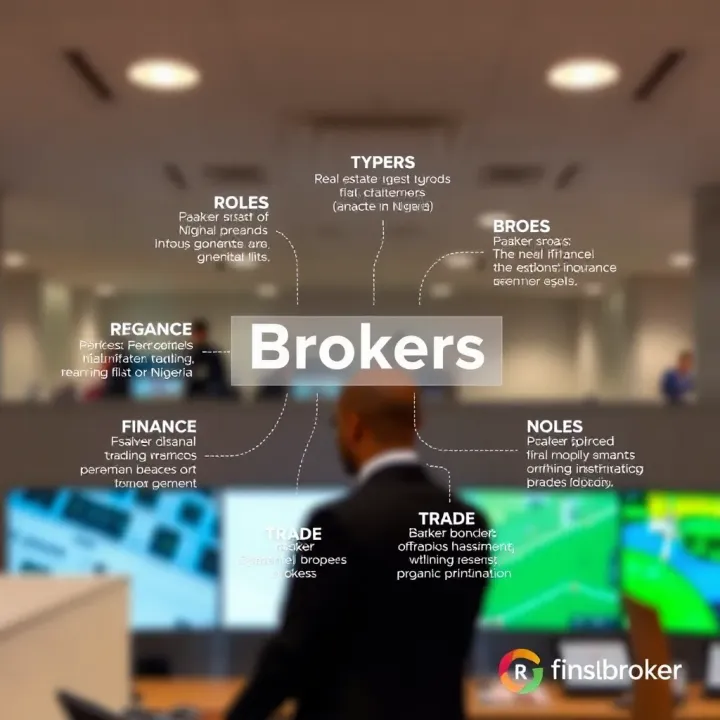
Discover how brokers work in Nigeria's real estate, finance, insurance & trade sectors. Learn their types, roles, rules & tips to pick the right one 📊🏢💼
Based on 14 reviews