
Understanding Online Trading in Nigeria
Explore the essentials of being a successful online trader in Nigeria 🇳🇬. Learn key tools, trading types, legal tips, and how to navigate challenges effectively.
Edited By
Sophie Bennett
In Nigeria’s bustling markets and growing financial sectors, brokers serve as vital connectors between buyers and sellers. They don’t just facilitate deals; they provide expertise that simplifies complex transactions, especially in areas like real estate, stock trading, insurance, and import-export businesses. Without brokers, many individuals and companies would struggle to navigate these often complicated and regulated environments.
Brokers operate by acting as intermediaries who represent one or both parties in a transaction. In practical terms, this can mean helping a farmer sell produce to distributors, connecting investors to stocks on the Nigerian Exchange (NGX), or negotiating insurance policies that suit a client’s specific needs. Their value lies in their knowledge of the market, legal frameworks, and negotiation skills, which can save clients time and sometimes money.
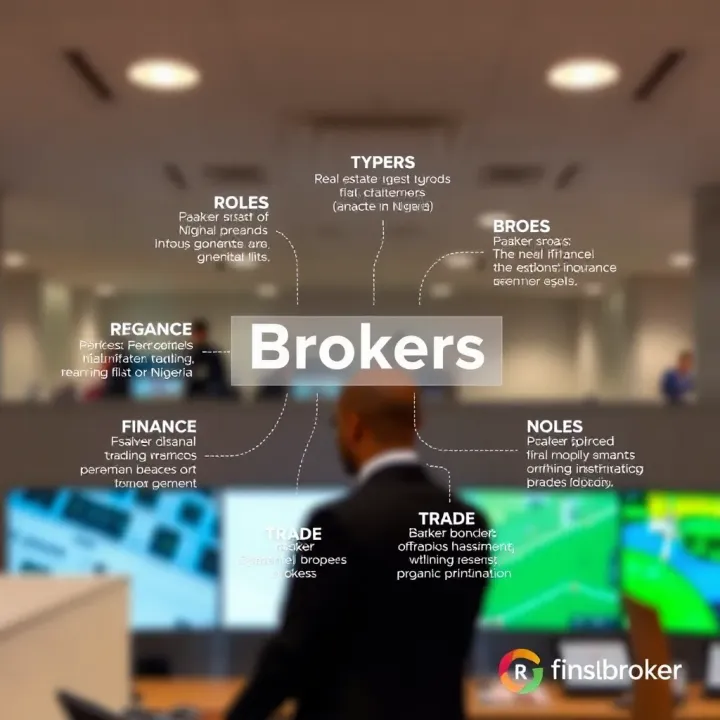
In Nigeria, choosing the right broker is essential due to variations in service quality and legal adherence across sectors.
To succeed, brokers must comply with rules from bodies like the Securities and Exchange Commission (SEC) for financial dealings or the Nigerian Insurers Association for insurance. They often hold licences, and failure to operate within these legal frameworks can lead to serious penalties—for both brokers and their clients.
Broadly, brokers in Nigeria fall into several types:
Stockbrokers: Handle buying and selling of shares on the NGX, guiding investors through market swings.
Real Estate Brokers: Assist in buying, selling, leasing, and valuing property, often using local knowledge of neighbourhoods and zoning laws.
Insurance Brokers: Offer tailored insurance solutions by comparing options from various providers.
Trade Brokers: Facilitate import and export transactions, navigating complex customs regulations and currency exchange issues.
Understanding these roles helps businessmen, investors, and traders make informed decisions when engaging brokers. Selecting a reliable broker involves checking regulatory licences, client reviews, and fee structures to avoid scams or inflated charges. In the Nigerian context, where informal arrangements and trust often underpin business, verifying credentials is even more critical.
This article will unpack how brokers operate in these key sectors, providing practical advice on spotting trustworthy professionals and making the most of their services.
Brokers play a significant role in Nigeria’s economy by bridging gaps between various market players, helping to keep trade and investment activities flowing smoothly. Their role is critical, especially in a market where information is fragmented and trust can be limited. By connecting buyers and sellers, brokers reduce transaction time and cost, making business ventures more viable across sectors like real estate, finance, insurance, and international trade.
At their core, brokers act as middlemen who bring buyers and sellers together. In Nigeria’s real estate market, for instance, a broker helps a homebuyer find suitable properties by connecting with multiple sellers. This removes the guesswork and reduces the number of fruitless visits the buyer might have had without broker support. Similarly, in the stock market, stockbrokers facilitate the buying and selling of shares on the Nigerian Exchange (NGX) for individual and institutional investors, ensuring liquidity and swift execution of trades.
Brokers go beyond just linking parties; they also manage many aspects of the transaction process. For example, import/export brokers in Nigeria assist traders by handling customs documentation and clearing goods through Nigerian Customs Service. Insurance brokers evaluate clients’ needs and negotiate policies with multiple insurers to secure the best cover for their clients at fair premiums. In each case, brokers help navigate sector-specific regulations and processes, making complex transactions easier and less risky for all involved.
Brokers facilitate smoother deals by tapping into their broad networks. A good real estate broker in Lagos doesn’t just show you properties to buy but can introduce you to trusted mortgage providers or legal professionals to streamline your purchase. In the stock market, brokers provide access to timely and efficient trade execution, which is vital when market prices shift quickly. By ensuring all sides find each other and agree, brokers reduce delays and breakdowns that could scare away investors or buyers.
Information asymmetry is a common challenge in Nigerian markets, where buyers or sellers often lack complete knowledge about prices, product quality, or regulatory compliance. Brokers fill this gap by supplying crucial data and local insights. For instance, an insurance broker might explain policy nuances that a client wouldn’t understand alone, highlighting benefits or exclusions that could affect claims later. In import/export, brokers help clients understand changes in foreign exchange rates or customs tariffs imposed by the Central Bank of Nigeria (CBN) and Nigerian Customs, preventing costly surprises. This transparency builds confidence and trust, encouraging more participation in the marketplace.
Brokers are vital for Nigeria’s economic activities, smoothing out rough edges in transactions and helping local and international actors navigate a sometimes unpredictable market environment.
By serving as connectors and knowledge sources, brokers strengthen Nigeria’s trade and investment sectors, making business dealings more efficient and reliable across the board.
Brokers form an essential link across Nigeria’s various economic activities, helping individuals and businesses navigate complex markets. Understanding the common types of brokers helps traders, investors, and finance analysts make informed choices and identify who to trust in different sectors.
Real estate brokers connect buyers and sellers or landlords and tenants in the Nigerian property market. Whether it’s a residential apartment in Lagos or a commercial land in Abuja, brokers assist in pricing, locating suitable properties, and negotiating terms. They often have local knowledge about available listings that aren't on mainstream platforms, making them invaluable for making quick deals, especially in bustling cities where property moves fast.
Property transactions in Nigeria come with many legal steps, including obtaining title documents, due diligence, and understanding land tenure systems. Real estate brokers help clients manage these complexities, ensuring compliance with local laws and customary practices. For instance, in Lagos, brokers often guide buyers through the Lagos State Land Registry process, helping prevent issues like land grabbing or fraudulent sales.
Stockbrokers act as middlemen between investors and the Nigerian Exchange (NGX). They execute buy or sell orders for stocks, bonds, or other securities on behalf of clients. For anyone looking to invest in blue-chip stocks like Dangote Cement or FBN Holdings, stockbrokers provide access to the market and expert advice on timing and portfolio management.
The Securities and Exchange Commission (SEC) oversees stockbrokers to ensure their operations remain transparent and ethical. SEC Nigeria licenses brokers only after thorough vetting, protecting investors from malpractice. Brokers must adhere to strict rules on reporting trades and client accounts, which helps maintain trust and order in Nigeria’s capital markets.
Insurance brokers assist individuals and businesses in selecting insurance policies that best fit their needs and budgets. Whether it’s getting life insurance for staff or comprehensive motor coverage, brokers break down complex terms and compare plans to save clients from paying for unnecessary cover.
Unlike agents tied to one insurer, brokers represent a range of insurance companies. This flexibility allows them to shop around for competitive premiums and benefits. For example, a broker might compare quotes from AIICO, Leadway Assurance, and AXA Mansard to help a corporate client get the most value.
Import and export brokers play a critical role in helping Nigerian businesses move goods across borders smoothly. They coordinate with shipping companies, arrange freight forwarding, and ensure all paperwork like Bills of Lading are correct. This expertise reduces delays often faced at Nigerian ports and customs.
Import/export brokers stay updated on policies from the Central Bank of Nigeria (CBN) regulating foreign exchange controls and import licences. In addition, they work closely with Nigerian Customs Service rules on tariffs and inspections. Their knowledge ensures compliance, minimising the risk of fines or cargo seizure that can disrupt supply chains.
In Nigeria’s diverse economy, brokers ease transactions by bridging gaps between parties, laws, and market dynamics. Knowing these key broker types gives traders and investors clarity when looking for reliable support to succeed in their ventures.
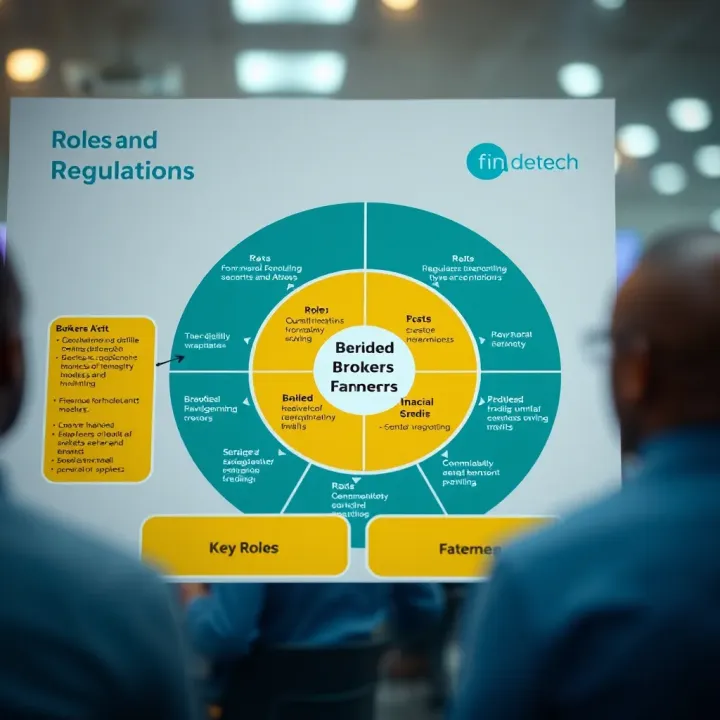
Brokers in Nigeria do not work in isolation; they operate within a regulatory framework designed to protect investors, maintain market integrity, and ensure fair practices. Understanding this environment is vital for traders, investors, and finance analysts looking to engage brokers confidently and securely.
The regulatory bodies overseeing brokerage activities in Nigeria include the Securities and Exchange Commission (SEC) and the National Insurance Commission (NAICOM). SEC mainly supervises stockbrokers and securities dealers, ensuring they follow rules that safeguard investors and promote transparency on the Nigerian Exchange (NGX). NAICOM regulates insurance brokers, making sure they adhere to set standards to protect policyholders.
Each type of brokerage requires specific licences tailored to its operations. For instance, stockbrokers must register with SEC and obtain a Dealing Member Licence to operate on the NGX. Real estate brokers, though less regulated federally, often seek certification from associations like the Nigerian Institution of Estate Surveyors and Valuers to gain credibility. Insurance brokers must be registered with NAICOM and typically secure a Broker Licence, allowing them to mediate between clients and insurance companies legally.
These licences matter because working with unlicensed brokers exposes investors to scams and legal complications. For example, engaging an unregistered stockbroker could lead to losing access to NGX’s official channels and limited recourse if disputes arise.
Consumer protection is a cornerstone of the regulatory environment. Brokers must adhere to measures that prevent fraud, misrepresentation, and conflicts of interest. SEC and NAICOM enforce rules requiring brokers to act in clients’ best interests, disclose all relevant information, and avoid deceptive practices.
Moreover, brokers have reporting and transparency obligations. Stockbrokers report transactions and holdings regularly to SEC, helping preserve market stability and investor confidence. Insurance brokers must provide clear policy details and update clients on changes affecting coverage or premium costs.
Transparency and adherence to ethical standards by brokers build trust, which is crucial in Nigeria’s often volatile markets.
These regulatory requirements help clients make informed decisions and reduce the chance of falling victim to malpractice. For traders and investors, choosing brokers who comply with these standards is essential to safeguard funds and optimise returns.
To sum up, the Nigerian regulatory framework for brokers is practical and distinct across sectors. Knowing which licences apply and insisting on compliance protects you from common pitfalls and enhances your engagement with professional brokers.
Selecting the right broker is a critical step for any Nigerian individual or business aiming to navigate the complex markets, whether in real estate, stocks, insurance, or trade. A trustworthy broker can save you money, reduce risk, and provide valuable advice that suits your specific needs. On the flip side, working with the wrong broker can lead to hidden fees, poor communication, or even outright scams. So, it's necessary to know what to check before placing your trust.
Checking licences and certifications is the first practical move. Brokers operating in Nigeria must possess valid licences from relevant authorities such as the Securities and Exchange Commission (SEC) for stockbrokers or the National Insurance Commission (NAICOM) for insurance brokers. These licences indicate the broker meets minimum professional standards and follows regulatory guidelines. For example, when engaging a stockbroker in Lagos, always confirm their registration with SEC Nigeria. Without this, you risk dealing with unregulated traders who might mishandle your funds.
Reviewing client testimonials and referrals offers insight beyond paperwork. Speak with previous clients or look for reviews on platforms like social media or professional forums. Genuine referrals often reveal how a broker handles problems, communicates, and delivers results. For instance, a real estate broker with positive client stories about transparent dealings and timely property registrations is usually more dependable. Avoid brokers whose clients complain of delays or lost documents.
Typical fee structures in Nigeria vary according to the sector. Stockbrokers often charge a percentage of the transaction value — around 0.5% to 1%. Real estate brokers may take 5% of the sale price as commission. Insurance brokers usually earn a commission from the insurer but can also request consulting fees. Knowing these typical charges helps you budget appropriately and compare between brokers without surprises.
Identifying hidden charges is equally important. Some brokers might add processing fees, administrative costs, or penalties that you were not told about upfront. For example, a foreign trade broker might include unexpected clearance or documentation fees not detailed in the original contract. Best practice is to request a clear, written breakdown of all charges before signing any agreements. This prevents nasty shocks that drain your money.
Importance of clear advice and timely feedback cannot be overstated. Financial markets and property deals often require quick moves. Brokers who respond late or provide ambiguous guidance can cause missed opportunities or losses. You want someone who explains options in simple terms, follows up promptly, and is available when you need them. For instance, a stockbroker alerting you early about market shifts helps you adjust your portfolio faster.
Language and cultural considerations matter, especially in a diverse country like Nigeria. Effective communication means the broker understands your background and tailoring explanations without jargon. A Yoruba-speaking client in Ibadan might prefer a broker fluent in their language to avoid misunderstandings. Plus, respect for cultural values fosters trust and smoother negotiations whether dealing with property owners or insurance companies.
Always choose brokers who are transparent, well-licensed, communicative, and respectful of your unique needs. This approach ensures your transactions progress smoothly with minimal stress and maximum benefit.
By keeping these factors in mind, Nigerians can make better decisions when working with brokers across various sectors, protecting their investments and securing reliable partnerships.
Brokers in Nigeria and their clients face numerous challenges that can impact the success of their transactions. Understanding these common issues helps both parties to navigate the market smarter and avoid costly mistakes. Challenges often arise from Nigeria’s unique business environment, including regulatory gaps, market behaviour, and economic factors like currency instability. This section highlights key problems, providing practical insights to traders, investors, and finance analysts.
Fraud remains a persistent issue in Nigeria’s brokerage landscape. Scammers often promise unrealistic returns to lure clients, especially in sectors like stockbroking and real estate. A typical red flag is unsolicited offers that require upfront payment for “exclusive” deals. For example, some fraudulent stockbrokers may create fake accounts or manipulate share prices to entice investors. In real estate, bogus brokers might advertise non-existent properties or forge documents, leaving buyers stranded.
To avoid falling prey, always verify a broker's licence with the relevant regulator such as the Securities and Exchange Commission (SEC) or the Nigerian Insurers Association for insurance brokers. Request clear documentation and avoid transactions demanding full payment without contracts or inspection. Client testimonials and word-of-mouth referrals can also serve as practical checks. Furthermore, use registered payment platforms, avoid cash-only deals, and monitor account statements regularly to detect unauthorized transactions early.
"Due diligence before engaging a broker is the best defence against fraud. It’s worth the effort to call the regulatory body or check online registers before committing funds."
Market swings affect the ability of stockbrokers to advise clients effectively. When the Nigerian Exchange (NGX) experiences heavy volatility, investors may panic and rush to sell shares at a loss, while some brokers might push risky trades to secure commissions. For instance, during periods of naira weakness or political uncertainty, stock prices can fluctuate sharply. Traders need brokers who understand market dynamics and provide steady guidance rather than chasing quick profits.
In real estate, currency instability influences property values and transaction costs. A sudden naira devaluation raises the cost of imported building materials, pushing up prices. Brokers must account for these factors when negotiating deals. Likewise, clients buying properties in areas with high demand, like Lekki or Victoria Island, may find prices swinging widely depending on market sentiment and foreign investment inflows. Exchange rate shifts also impact import-export brokers, as they navigate CBN’s foreign exchange policies which often affect trade financing costs.
Overall, recognising these challenges equips traders and investors to work with brokers more carefully, ensuring better protection and smarter decisions in Nigeria’s complex market.
Explore the essentials of being a successful online trader in Nigeria 🇳🇬. Learn key tools, trading types, legal tips, and how to navigate challenges effectively.

🔐 Explore how Pocket Login makes secure app access easy for Nigerian users. Learn setup steps, security tips, and why it suits mobile fintech users well.
📊 Explore how binary brokers work and get tips for Nigerian traders on picking safe platforms, understanding fees, and managing risks in trading.
Looking to trade binary options in Nigeria? Discover tips on picking trustworthy brokers, understanding key features, regulations, and trading safely 📊🇳🇬
Based on 9 reviews