
Best Online Trading Apps in Nigeria: A Practical Guide
Explore top Nigerian online trading apps 📈 focusing on security 🛡️, fees 💰, and ease of use for smart, confident investing choices.
Edited By
Benjamin Shaw
Online trading in Nigeria involves buying and selling financial assets through digital platforms. Unlike traditional trading that often requires physical presence or phone calls, online trading allows individuals to execute transactions on their smartphones or computers. This convenience has opened doors for many Nigerians to participate in markets like stocks, forex, cryptocurrencies, and commodities.
The role of an online trader is not just about clicking buttons; it requires understanding market dynamics, analysing trends, and managing risks. For example, a typical Nigerian online trader may choose to invest in NGX-listed stocks on platforms like GTI Securities or trade foreign exchange pairs through brokers regulated by the Securities and Exchange Commission (SEC) Nigeria.
Stock Trading: Buying shares of Nigerian companies on the Nigerian Exchange Group (NGX).
Forex Trading: Exchanging foreign currencies using platforms like OctaFX or FXTM.
Cryptocurrency Trading: Buying and selling cryptos such as Bitcoin or Ethereum on exchanges like Binance or Luno.
Commodities Trading: Trading gold, oil, or agricultural products either through specialised commodity brokers or platforms.
A successful online trader must equip themselves with the right tools. These include reliable internet access, a trustworthy trading platform, and charting software to track market movements. For instance, traders in Lagos often prefer data plans from MTN or Airtel because of faster connectivity during market hours.
Nigerian traders face unique challenges such as power outages and naira volatility, which can affect execution speed and pricing. Adapting to these realities is key to thriving in this field.
Understanding local regulatory frameworks is also vital. Traders should verify the authenticity of brokers via SEC Nigeria and ensure compliance with tax obligations through the Federal Inland Revenue Service (FIRS).
In summary, being an online trader in Nigeria means more than just making deals. It demands a good grasp of the types of trading available, mastery of digital tools, awareness of local challenges, and adherence to legal requirements. With proper preparation, Nigerians can leverage online trading to build wealth and participate actively in the financial markets.
Online trading in Nigeria has grown beyond a mere convenience; it is now a vital channel for businesses and individuals to engage in commerce without geographical limits. Defining online trading within Nigeria means understanding how it fits into our unique market dynamics, infrastructure challenges, and digital adoption patterns. This clarity helps aspiring and active traders navigate regulatory frameworks and market preferences effectively.
By pinpointing what online trading involves, Nigerian traders can leverage digital tools to improve efficiency, reduce overhead costs, and reach customers even in remote areas. For instance, many rural buyers now purchase goods via platforms like Jumia and Konga, which shows how digital commerce bridges traditional gaps in supply chains and boosts economic activity.
Online traders operate by buying and selling products or securities using internet-based platforms. This might include listing physical goods on e-commerce websites or trading stocks on mobile apps connected to the Nigerian Stock Exchange (NGX). They eliminate the need for physical storefronts, saving rent and staffing costs while still reaching a wide audience.
For example, a trader might sell handcrafted jewellery using social media marketplaces or purchase shares in a local company via an investing app. These activities require the trader to understand both the product and platform mechanics to execute successful transactions.
Handling sales remotely means an online trader coordinates payments and delivery logistics without face-to-face interaction. Thanks to payment gateways like OPay and mobile money services such as MTN Mobile Money, traders can securely receive payments and provide digital receipts.
On the delivery front, partnerships with courier companies or even okada riders ensure that goods reach customers reliably. Managing this from a distance requires tracking orders, confirming payment before dispatch, and handling customer complaints professionally.
Technology allows online traders in Nigeria to bypass local market limitations by connecting with buyers across states or even internationally. Social media tools like Instagram and Facebook, along with e-commerce platforms, amplify product visibility far beyond traditional market circles.
For example, a Lagos-based trader selling aso ebi fabric can promote to customers in Abuja or Lagos suburbs without opening multiple physical stores. This broad reach is crucial for scaling businesses and diversifying revenue streams.
This form of online trading involves selling physical goods—ranging from everyday items like phones and clothes to specialised products like electronics. Nigerian e-commerce platforms such as Jumia and Konga have made retail trading accessible to many small businesses and individual traders.
Retail traders must manage inventory, respond to buyer queries, and ensure timely delivery to maintain customer trust. The success of mama puts expanding their customer base online showcases how even small-scale players benefit from e-commerce.
Forex trading in Nigeria involves currency exchange deals usually done through online brokers. Similarly, stock market trading refers to buying and selling shares of companies listed on the NGX using digital platforms.
These activities require traders to monitor global economic indicators, understand market trends, and respond swiftly to price changes. For instance, many Nigerian investors use apps like Bamboo or Trove to trade foreign stocks as well as local equities.
Cryptocurrency trading has gained traction among Nigerians seeking alternative investment options. Traders buy and sell digital currencies such as Bitcoin and Ethereum using platforms like Binance or Luno.
Though profitable, crypto trading involves understanding volatile market movements and regulatory uncertainties from bodies like the Central Bank of Nigeria (CBN). Wise traders employ risk management strategies and stay informed about the evolving legal landscape to safeguard their investments.
Online trading in Nigeria encompasses diverse activities — from selling goods online to trading currencies and stocks. Each requires practical skills and an understanding of digital tools to thrive amidst local challenges and opportunities.
In the Nigerian trading environment, digital tools and platforms serve as the backbone for online businesses. These resources not only simplify transactions but also widen reach, helping traders tap into markets beyond their local towns. Leveraging the right tools can mean the difference between success and stagnation, particularly given Nigeria’s dynamic and sometimes challenging market conditions.
Jumia and Konga for product trading are the go-to marketplaces for many online traders in Nigeria. These platforms offer extensive audiences, reducing the need for traders to build brand visibility from scratch. For instance, a small business selling textiles can list their products on Jumia, benefiting from the platform’s logistic and payment infrastructure. These marketplaces handle aspects like payment processing and sometimes delivery, allowing traders to focus on stocking the right products and managing customer service.
MTN Mobile Money and OPay for payments have revolutionised how Nigerians pay for goods and services online. These mobile payment platforms provide secure, fast, and convenient ways to receive payments, crucial in a country where cash remains king but digital payments steadily grow. An online trader can receive payments instantly via MTN Mobile Money or OPay, reducing cash handling risks and speeding up business cycles. Plus, integration with these wallets on marketplaces or websites enhances customer convenience, encouraging more sales.
NGX and investing apps for securities cater to those engaged in stock and forex trading. The Nigerian Exchange Group (NGX) offers an accessible platform for investors to buy and sell shares of Nigerian companies. Complementary apps like Chaka, Trove, and Bamboo provide user-friendly interfaces and allow traders to access both local and international markets from their phones. This accessibility has boosted participation in securities trading, opening new income streams for Nigerian traders who diversify beyond physical goods.
Mobile devices and stable internet connections are non-negotiable for any online trader in Nigeria. Smartphones and tablets with reliable 4G or broadband ensure traders can respond to customer inquiries, process transactions, and update inventory anywhere, anytime. A trader in Lagos or Abuja who depends on spotty mobile data will lose clients faster than competitors with better connectivity. Investing in good data bundles or home fibre connections can significantly improve business responsiveness and customer satisfaction.
Payment gateways and digital wallets enable smooth, efficient transactions. Beyond MTN Mobile Money and OPay, platforms like Paystack and Flutterwave allow traders to process payments via multiple channels including debit cards, bank transfers, and USSD codes. This variety is essential because Nigerian consumers have diverse payment preferences. Making payment hassle-free encourages repeat business and reduces cart abandonment on e-commerce sites.
Inventory and order management tools help traders track products, sales, and deliveries accurately. Software such as Zoho Inventory or TradeGecko can automate stock updates and alert traders when items run low. In Nigeria, where logistics can be unpredictable, these tools reduce the risk of selling out-of-stock items, which damages reputation. They also simplify organising deliveries, managing returns, and handling refunds, contributing to a professional customer experience.
Embracing the right mix of digital tools and platforms equips Nigerian online traders with the agility and efficiency needed to thrive in a competitive market. Without them, running an online business becomes unduly complex and risky.
Together, these digital technologies form a practical framework that supports all aspects of online trading—from product listing and payment processing to sales tracking and customer engagement. Nigerian traders who invest wisely in these tools stand a better chance of scaling sustainably and earning consistent profits.
Success in online trading doesn't come by chance, especially in Nigeria's competitive and sometimes unpredictable market. To win customers and stay afloat, traders must deploy practical strategies that build trust, fine-tune product offerings, and stretch their reach smartly. These strategies act as a backbone, helping traders to navigate challenges while growing steadily.
Trust hinges largely on how reliably a trader can deliver ordered goods and secure payments. Delays caused by poor logistics or power outages can erode customer confidence quickly. For instance, a Lagos-based online trader who ships orders promptly using reliable courier services like DHL or GIG Logistics tends to keep repeat customers better than one who frequently delays deliveries. Secure payment methods — such as integrating MTN Mobile Money or OPay for transactions — also reassure buyers, reducing fears of fraud.
Clear, honest communication builds rapport and loyalty. When customers know what to expect, including possible delivery delays or stock shortages, they remain patient and more likely to return. Besides, offering after-sales support — say, providing easy returns or answering product questions promptly via WhatsApp or social media — enhances the customer experience. An online seller who replies swiftly and helps solve issues post-purchase cultivates goodwill and positive word-of-mouth.
Choosing what products to sell requires keeping an eye on market demand and trends. For example, during the ember months, beauty products and electronics often see heightened interest in Nigeria. Traders who track these patterns through tools like Google Trends or local sales data can stock smarter, avoiding dead inventory. Seasonal shifts and consumer preferences should guide stock decisions to ensure relevance and quicker turnovers.
While cutting prices might attract buyers, undercutting too much can hurt profits. The goal is striking a balance where prices appeal but margins stay healthy. Using competitor price comparisons and factoring in costs like delivery and platform fees (e.g., Jumia or Konga commissions) helps traders set prices that withstand naira volatility plus inflation pressures. For instance, selling a popular phone accessory at ₦4,500 when the average market rate is ₦5,000 could drive volumes while still offering a reasonable net gain.
Social media platforms like Instagram, Facebook, and Twitter remain crucial for Nigerian traders to connect with audiences. Collaborating with influencers who resonate with target customers can boost visibility significantly. A trader selling afrocentric fashion might partner with a popular Nollywood actor or a fashion blogger to tap into their fan base. Such partnerships lend authenticity and fast-track trust, sometimes leading to spikes in sales within days.
The ember months are marked by increased spending and festive activities. Running promotions or discounts during this period caters to seasonal buying behaviour and can shift large volumes. Traders might offer bundle deals or limited-time coupons to attract customers preparing for events like Sallah or Christmas. Timed well, these promotions leverage seasonal demand spikes for maximum impact.
Positive reviews and word-of-mouth remain some of the strongest marketing tools. Encouraging buyers to leave honest feedback on platforms like Jumia, Konga, or social media pages helps build credibility for new customers. Additionally, referral incentives—such as discounts for both the referrer and referee—can expand the customer base without heavy advertising costs. Regularly prompting satisfied buyers to share their experiences helps maintain consistent sales growth.
Success as an online trader in Nigeria rests on blending reliability, smart choices, and creative outreach. Developing these strategies carefully makes all the difference between fleeting sales and lasting business.
Nigerian online traders face a unique set of challenges that directly influence their ability to thrive. Understanding these hurdles is crucial not only for those already in the business but also for aspiring traders who want to prepare adequately. These challenges often stretch beyond ordinary business barriers, touching on infrastructure, financial stability, and legal compliance.
One major constraint is the unreliable power supply and internet connectivity. Regular power outages mean many traders rely heavily on generators, increasing operational costs. For example, a seller on Jumia might lose hours of online visibility during a power cut, leading to lost sales and frustrated customers. Similarly, poor internet quality disrupts communication and delays transaction confirmations, particularly in rural areas.
The high cost and delays in delivery services also pose significant hurdles. Logistics firms often charge premium rates to cover fuel and transport costs, which sometimes extend to ₦5,000 or more for deliveries within Lagos. Delays caused by traffic jams or poor road conditions can frustrate buyers, affecting repeat business. This forces traders to build extra costs into their pricing or risk losing customers to faster services.
Naira volatility affects pricing and profits sharply. Traders importing goods must constantly recalibrate prices as the foreign exchange rate swings. For instance, a retailer buying tokunbo electronics priced in dollars might see their costs jump overnight, forcing urgent price hikes or margin cuts.
Fraud and cyber security threats compound these difficulties. Online scams or fraudulent payment reversals lead to significant financial losses. Without robust security checks, traders risk exposing customer data or funds to hackers, deeply undermining trust and business viability.
Understanding Central Bank of Nigeria (CBN) policies on digital payments is essential. Sudden policy shifts, such as restrictions on mobile money wallets or changes in transaction limits, can disrupt daily operations. Traders benefit from staying updated on CBN guidelines to manage digital payment risks effectively.
Complying with tax obligations to the Federal Inland Revenue Service (FIRS) is another critical factor. Many Nigerian traders operate informally but risk penalties when scaling up without proper tax registration. Keeping records and filing returns can safeguard traders from fines and legal trouble.
Protecting consumer rights and maintaining trade ethics build long-term credibility. Adhering to regulations on product quality, return policies, and honest advertising helps reduce disputes and boosts customer loyalty. For example, transparently handling returns or refunds fosters goodwill, which is key in a competitive online market.
Navigating these challenges requires resilience and a proactive mindset. Nigerian online traders who address infrastructure hiccups, manage financial risks, and comply with regulations position themselves well for sustainable growth.
Starting an online trading business in Nigeria demands practical steps more than just enthusiasm. These tips help minimise risks and enhance chances of growing a sustainable business. From managing small inventory to acute attention to records and networking, the advice is designed to give you an edge in Nigeria’s vibrant but challenging online trading space.
Testing demand with limited inventory is a smart way to begin. For instance, if you plan to sell phone accessories on Jumia or Konga, start with a small quantity to gauge customers’ preferences and buying habits. This approach saves you from locking your funds in unsold stock and helps understand which products sell well in different parts of Nigeria.
Reinvesting profits to grow the business is equally important. Instead of drawing out all your profits for personal use, put a significant portion back into buying more stock, upgrading your store interface, or enhancing delivery logistics. For example, a trader selling clothing can gradually afford better-quality fabrics or expand to include children’s wear only after consistent reinvestment.
Tracking sales, expenses, and customer feedback steels your business against avoidable losses. Use simple sheets or business apps to record every transaction, noting which products sell fast or have issues. Customer feedback, especially on social media or direct messages, reveals service gaps or product flaws which, if ignored, can ruin your reputation.
Using data to improve products and services turns information into growth. For instance, if analysis shows poor sales on weekends but high engagement on social media, a trader might run weekend promos or improve post timing. This kind of data-driven action helps adjust pricing strategies, stock choices, and marketing efforts in line with real customer behaviour.
Joining trader and fintech communities opens doors to support and collaboration. Groups on WhatsApp or Telegram focused on Nigerian traders often share tips, supplier contacts, and updates on payment gateways like OPay or Paystack. Access to this network can help you solve technical challenges or gain insider knowledge about market trends.
Staying updated on market trends and technologies ensures you don’t get left behind. Nigerian online traders benefit from following local fintech developments and global shifts like new payment innovations or regulatory changes. For example, when the CBN introduces new rules affecting digital payments, traders who are informed early can adjust their practices without disruption.
Practicality is key. Tackling online trading with small, manageable steps, sharp record-keeping, and the right networks can make the difference between just trying and truly succeeding in Nigeria’s competitive market.
By following these tips, aspiring online traders can navigate the nuances of Nigeria’s trading environment confidently and build resilient, profitable businesses gradually.
Explore top Nigerian online trading apps 📈 focusing on security 🛡️, fees 💰, and ease of use for smart, confident investing choices.
🔍 Find the best online trading platform in Nigeria! Compare features, fees & security to pick the right fit for your trading goals. Make informed choices today.
Learn how spreads affect your forex trades 💹 Understand types, broker roles, and smart strategies to manage costs in Nigeria's forex market 🇳🇬
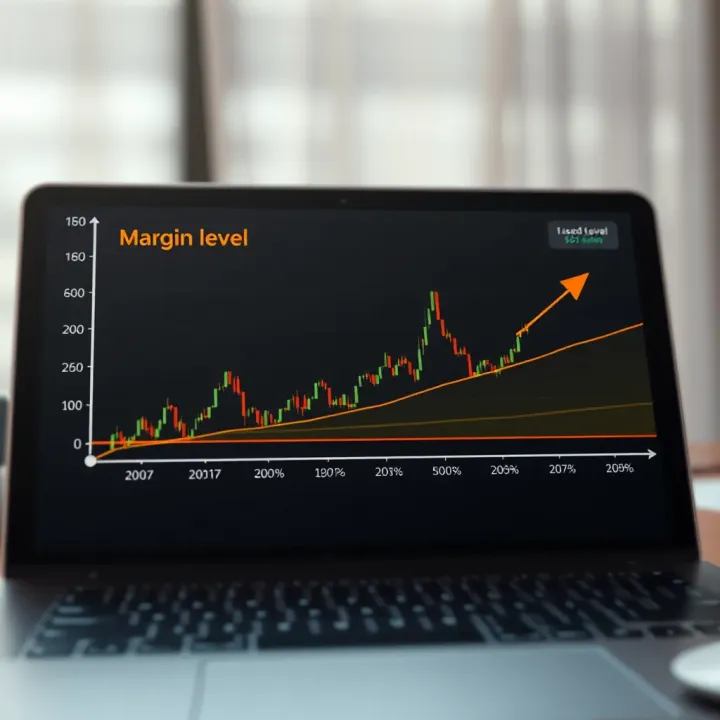
📊 Learn all about margin level in forex trading, why it’s vital for Nigerian traders, and how to use it effectively to manage risks and boost your trading skills.
Based on 7 reviews