
Choosing the Best Trading App in Nigeria
Explore top trading apps in Nigeria 📱. Compare features, costs, security, ease of use, and support to pick the best fit for your trading needs.
Edited By
Thomas Green
Forex trading apps have become vital tools for Nigerians looking to earn income from the foreign exchange market. With smartphones now common in urban and even rural areas, these apps give traders and investors direct access to forex markets anytime and anywhere. However, selecting the right app requires understanding key features, security considerations, and how local regulations affect trading.
Many Nigerians, including traders in Lagos, Abuja, and Port Harcourt, use forex apps to tap into global currency pairs like USD/NGN, EUR/USD, and GBP/USD. While the potential to make quick profits is real, so is the risk, especially when using unregulated or low-quality platforms. That is why knowledge about app selection and use is important.
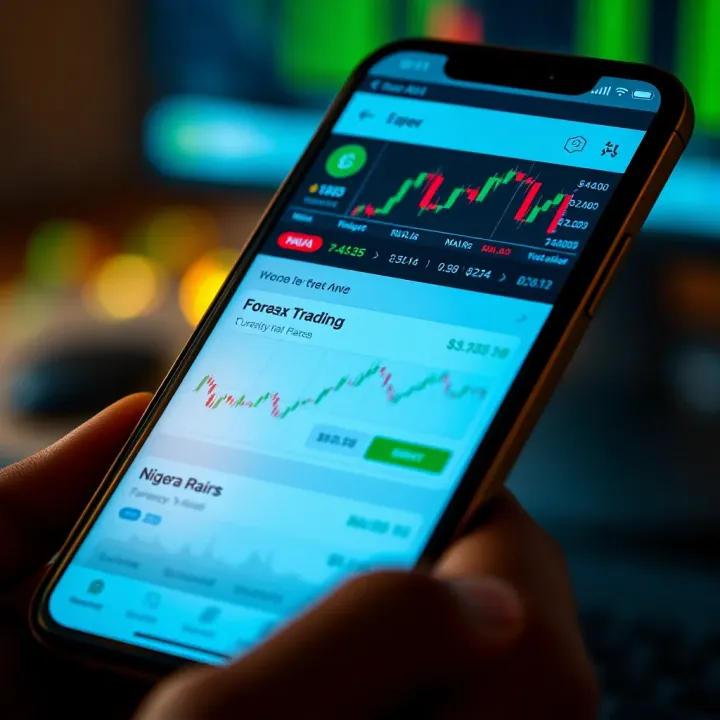
Selecting an appropriate forex trading app can make the difference between steady gains and heavy losses, especially in a market as volatile as forex.
Choosing an app is not about flashy interfaces alone. Focus on these features:
Security: Does the app offer two-factor authentication, secure encryption, and keep your data confidential?
Regulatory Compliance: Check if the platform is registered with regulatory authorities such as Securities and Exchange Commission (SEC) Nigeria or trusted international bodies.
Trading Tools: Look for apps that provide real-time charts, analysis, economic calendars, and order execution options.
Deposit and Withdrawal Options: Given Nigeria’s banking system dynamics, ensure the app supports local payment methods, including bank transfers and mobile money platforms.
User Experience: Fast app performance and clear navigation reduce mistakes during critical trades.
The Nigerian SEC and Central Bank have issued guidelines on forex trading platforms to protect investors. Unauthorized brokers often lure traders with unrealistic promises but may disappear with deposits. It’s advisable to pick apps from reputable brokers with clear licensing and positive user reviews.
Start with demo accounts to practice without risking ₦.
Keep up with global economic news affecting currency pairs.
Avoid overtrading; be disciplined with stop-loss settings.
Regularly update the apps to benefit from security patches and improved features.
Choosing the right app and using it carefully helps Nigerians trade forex confidently, managing risks and capturing profitable opportunities in the fast-moving currency market.
Having a solid grasp of forex trading apps is essential, especially for Nigerian traders keen on making the most of mobile technology. These apps serve as handy tools that bring the global currency market right to your fingertips. Understanding how they function and differ from traditional setups shapes your trading approach and can influence your profitability.
A forex trading app is a software application designed for smartphones and tablets, enabling users to trade currencies directly from their devices. Its main purpose is to provide easy access to the foreign exchange market without the need for bulky desktop platforms. For a trader in Lagos or Abuja, this means being able to monitor the naira-dollar pair or trade pounds versus euros while on the move.
Unlike desktop platforms, these apps focus on simplicity and speed. They pare down complex trading functionalities into mobile-friendly interfaces, removing the need for powerful computers or wired connections. The practical benefit is obvious: you can react quickly to market movements even in traffic jams or during a quiet moment at a bukateria.
Traditional trading platforms often require installation on a desktop, come with detailed analytics, and cater to rigorous technical analysis. Forex trading apps, however, trade depth for accessibility. While they still offer charts and some indicators, they streamline features to ensure smooth performance on limited hardware like entry-level smartphones.
Moreover, apps usually integrate notifications and alerts directly into your device, helping you stay ahead without constantly checking the screen. Whereas a desktop platform ties you to one location, mobile apps fit the Nigerian lifestyle, where power outages mean moving around, and stable internet can be patchy.
Forex apps dismantle barriers. Whether you're in a city like Lagos or a smaller town like Enugu, you can open a trading position with just a few taps. Unlike traditional trading that demands office setups, mobile apps allow you to trade anytime — even while queuing for petrol or during your lunch at a mama put.
App users get instant access to live currency price feeds, news updates, and market sentiment. This immediacy matters because forex markets move fast. For instance, a sharp naira fluctuation due to Central Bank policy news requires prompt action, which an app alerts you to.
Trading through apps often reduces overhead costs by cutting out intermediaries. Many apps offer tighter spreads and lower commissions than traditional brokers. This benefit can save you hundreds — or thousands — of naira over time, which is crucial given the naira’s volatility and frequent forex restrictions.
Choosing the right forex trading app takes effort, but the payoff includes convenience and better control over your trades, especially in Nigeria’s fast-paced and unpredictable environment.

By getting familiar with these elements, you’ll be well prepared to decide which app suits your trading style and how to use it to your advantage.
Choosing the right forex trading app means paying close attention to its features. A well-designed app doesn't just make trading possible—it makes trading efficient, secure, and suited to your needs as a Nigerian trader. From the interface you navigate daily to the security measures shielding your funds, these features impact your experience and potential earnings.
Ease of navigation is vital because cluttered apps slow you down, especially when market prices change by the second. You want menus and options that make sense at a glance. For instance, an app where you can quickly switch between currency pairs or place orders without tapping through endless screens saves time and reduces errors.
Customisable dashboards help you see what matters most to you, whether it’s live charts, open positions, or news feeds. Some traders prefer a simple view; others want multiple timeframes or economic calendars on screen. For example, having a widget for the naira-dollar rate alongside your favourite currency pairs can keep local market swings top of mind.
Encryption and data protection guard your account and personal details from cyberattacks. Nigerian traders should look for apps that use standard encryption protocols like SSL/TLS, which keeps transactions and login info secure. This is especially important when you trade over public Wi-Fi or in busy places like bus stops or cafes.
Regulatory compliance signals if the app operates within the law. In Nigeria, brokers and apps should ideally align with guidelines from the Central Bank of Nigeria (CBN) or recognised authorities to avoid scams. An app licensed or regulated by reputable bodies shows commitment to protecting investors and following fair trading practices.
Charting options allow you to track price movements and analyse patterns. Look for apps offering multiple chart types—candlestick, line, bar—and adjustable time intervals. For instance, switching from 1-hour to 15-minute charts helps day traders when reacting to quick market changes.
Technical indicators like Moving Averages, Relative Strength Index (RSI), and Bollinger Bands help guide your decisions by highlighting trends or overbought conditions. An app with a range of indicators helps you test strategies without switching platforms, saving time and avoiding mistakes.
Automated trading features are for traders wanting to cut emotion out of trades. Some apps let you set rules where trades open, close, or adjust stops automatically based on your conditions. In Nigeria, where internet reliability can fluctuate, this feature ensures you don’t miss out due to temporary connectivity issues.
Always test these features on demo accounts before trading real money to understand how each function fits your trading style and safeguards your capital.
Picking an app with these features tailored for Nigeria's forex market conditions helps you trade smarter, safer, and more confidently.
Choosing the right forex trading app matters because it shapes how you access the markets, manage trades, and handle funds. For Nigerians, the availability of both local and international platforms means more choices but also some challenges. Understanding which apps suit your trading style and comply with local conditions is key to making steady profits and avoiding unnecessary risks.
Local-centric forex trading apps provide features tailored to Nigerian traders. These platforms usually support naira deposits and withdrawals, making funding easier amid the naira's fluctuating exchange rate. For example, some Nigerian fintech startups have integrated forex trading options alongside their payment services, allowing users to trade without multiple conversions or high transfer fees. Using such apps often means quicker transaction times and customer support that understands the Nigerian environment.
Moreover, local apps tend to align better with regulatory guidelines from the Central Bank of Nigeria (CBN) and other authorities. This compliance not only boosts trust but also protects traders from running into legal troubles. When you pick apps that support the Nigerian market, you reduce friction in your trading experience and gain access to localised educational resources.
On the other hand, many Nigerians prefer global forex trading apps like MetaTrader 4 (MT4), MetaTrader 5 (MT5), and platforms like IQ Option or AvaTrade. These platforms offer a broader range of currency pairs and advanced trading tools popular with experienced traders. They benefit from extensive liquidity and provide access to markets beyond Nigerian borders.
However, using global apps means handling conversion between naira and foreign currencies, which sometimes attracts hefty charges. Also, customer service may be less responsive to Nigerian-specific concerns, and you must be sure you understand international regulations and how they apply locally. Still, such platforms remain favoured for their reliability, robust features, and wide community support.
Spreads—the difference between the bid and ask price—directly affect trading costs. Nigerian traders should examine apps’ spread policies closely. Some apps offer fixed spreads, which provide cost predictability, while others use variable spreads that widen during volatile periods. For instance, a spread of 1.5 pips on the USD/NGN pair could significantly impact small trades.
Commission fees also vary. Some apps charge per trade, while others bundle costs into wider spreads without separate commissions. Knowing these details helps you estimate overall costs. For example, if an app offers zero commission but has a wider spread, you’d pay more indirectly, so it’s a balancing act.
Transaction fees can quickly erode returns, especially on smaller investments. Apps integrating naira deposits often have lower fees versus global apps that require US dollar funding. Some Nigerian banks and fintech services provide smooth naira transfers to forex platforms without extra charges.
On withdrawals, fees and processing times may differ sharply. It’s common to find platforms charging up to ₦1,000 or more per withdrawal, which can be a burden if you trade frequently. Moreover, some global platforms enforce minimum withdrawal thresholds far above what many Nigerian retail traders prefer. Evaluating these aspects helps you pick apps that don’t eat deeply into your profits.
Trading forex in Nigeria requires more than just picking an app; it demands understanding the costs and benefits of each platform to protect your investment and trade smartly.
Consider your trading volume, preferred currency pairs, and how you plan to fund your account when choosing between local-focused and international apps. By comparing spreads, commissions, and transaction fees along these lines, you'll position yourself for better trading outcomes in the Nigerian forex market.
Operating within Nigeria's regulatory framework is vital when trading forex through mobile apps. Understanding these rules not only protects you from legal complications but also helps avoid financial losses caused by fraudulent platforms. With the forex market attracting many traders, beginners and experts alike must be aware of how local regulations shape the trading environment, particularly regarding foreign exchange controls and app legitimacy.
The Central Bank of Nigeria (CBN) sets clear foreign exchange policies that impact forex trading apps. One key policy restricts direct trading with foreign currencies outside official channels, which means many traders must rely on CBN-approved platforms or intermediaries to buy and sell currencies legally. This control affects how apps operate, especially those offering currency pairs involving the naira (₦). Ignoring these guidelines could expose traders to risks such as blocked transactions or penalties.
Apart from currency controls, the CBN requires forex brokers and app providers to be licensed and monitored for compliance. This insistence ensures that platforms follow anti-money laundering (AML) and know-your-customer (KYC) standards, protecting users from illicit activities. For example, a licensed app in Nigeria typically enforces identity verification before allowing deposits and withdrawals, providing a safer trading experience.
Besides the CBN, other key regulatory bodies play a role in overseeing forex trading apps. The Securities and Exchange Commission (SEC) Nigeria regulates capital markets and ensures platforms offering investment services meet proper standards. This involvement includes monitoring advertisements and disclosures so traders receive transparent information.
Additionally, the Nigerian Communications Commission (NCC) indirectly influences forex apps because they operate over digital networks. Ensuring the app provider complies with data privacy and telecommunications laws helps secure user information against breaches or misuse.
Fraudulent forex apps are a serious threat for Nigerian traders. Such apps often promise unrealistic returns or hide crucial information about trading risks and fees. Recognising these red flags is essential; for instance, apps lacking a valid licence from CBN or SEC should raise immediate concerns. Also, platforms with numerous user complaints about withdrawal issues or sudden account suspensions usually signify scams.
Before downloading or funding any forex app, undertake thorough checks. Verify the platform's licence status through CBN or SEC official publications. Read reviews from credible tech and finance websites, and look out for transparency in terms and conditions. Avoid apps that ask for unusually high upfront fees or request personal information without proper security measures.
Always confirm an app's regulatory approval before investing your money. It can save you from losing hard-earned naira to scams.
By closely following regulatory requirements and practising due diligence in app selection, Nigerian forex traders can significantly reduce risks. It supports safer trading, ensures compliance with local laws, and contributes to a more reliable forex trading ecosystem overall.
Trading forex on mobile apps demands clear strategies to manage risks and stay informed, especially in Nigeria’s fast-changing market environment. Using these apps effectively can mean the difference between steady gains and costly losses. This section highlights practical steps traders can take to protect their investments and improve decision-making on the go.
Stop-loss and take-profit orders help you control losses and lock in profits automatically without constantly monitoring the market. A stop-loss order shuts down your trade if the price moves unfavourably beyond a set point, preventing bigger losses. For example, if you buy the USD/NGN pair at ₦425 and set a stop-loss at ₦420, the app sells your position automatically if the rate falls to ₦420, limiting your losses.
Take-profit orders, on the other hand, close your trade once a desired profit level is reached. Suppose you target a rise to ₦430; the platform will sell when that level hits, securing your gains. These orders help many traders stick to their plans amid volatile swings, especially common in forex markets influenced by factors like naira fluctuations and CBN policy changes.
Position sizing means deciding how much to trade per transaction, based on your capital and risk tolerance. Instead of risking a huge chunk of your portfolio on one trade, effective traders allocate smaller, manageable percentages—often 1-2% of their total capital—to avoid wiping out funds quickly. For instance, with a ₦500,000 trading balance, you might risk ₦5,000 to ₦10,000 on a single position. This approach helps endure loss streaks without severe financial damage, which is critical given forex's unpredictability.
Using news feeds and alerts integrated into trading apps means you receive real-time data on market-moving events directly on your phone. Accessing reliable sources like Bloomberg, Reuters, or local Nigerian financial news within apps informs you of economic indicators, CBN announcements, or political shifts that impact currency pairs. Personalised alerts notify you of price changes, helping you act fast and not miss critical trade opportunities.
Continuous learning resources embedded in many forex apps can significantly improve your skills over time. Tutorials, webinars, and demo accounts allow you to practice without financial risk. For example, you might use a demo account on MT4 or MetaTrader 5 to test strategies before going live. Plus, reading expert analyses on factors affecting the naira or global markets enhances your understanding beyond just watching charts. It's wise to commit to incremental learning, especially since forex markets react to local and international news that evolve daily.
Maintaining discipline through risk management and informed decision-making is crucial. These tips not only safeguard your capital but give you an edge in navigating Nigeria’s dynamic forex environment.
By applying these practical tips, you’ll trade smarter on your mobile, keeping risks manageable while seizing opportunities more confidently and safely.
Explore top trading apps in Nigeria 📱. Compare features, costs, security, ease of use, and support to pick the best fit for your trading needs.
Discover how to choose the best trading app in Nigeria 🇳🇬 with tips on features, security, costs, and trusted platforms for smooth & safe trading 📱💹
Explore top Nigerian online trading apps 📈 focusing on security 🛡️, fees 💰, and ease of use for smart, confident investing choices.
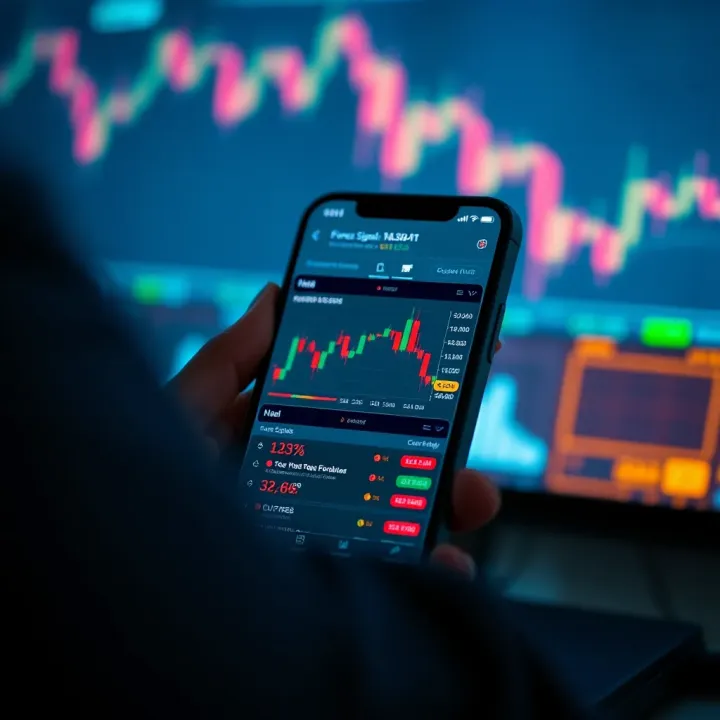
Discover how to pick the best forex signal app in Nigeria 📊 Learn key features, top choices, and how to avoid common trading mistakes. Trade smarter today!
Based on 14 reviews