

Ecos Mining Review: Performance and Viability
Explore Ecos Mining's operations, methods, and market stance 💎. Get practical insights on profitability, risks, and user experience tailored for Nigerian investors 🔍.
Edited By
Thomas Green
ECOS Mining has gained ground as a platform offering cryptocurrency mining services online. Unlike the traditional buy-and-hold approach to crypto, this service allows investors to mine cryptocurrencies like Bitcoin or Ethereum remotely. For Nigerian traders and investors eager to explore mining without managing hardware, ECOS Mining appears promising at first glance.
However, legitimacy in this space is key due to the spate of scams and unregulated schemes circulating, especially online. ECOS Mining’s business model revolves around cloud mining contracts where users pay upfront and receive mining returns based on the contract terms. While this removes the hassle of buying expensive mining rigs or dealing with electricity bills and maintenance, it also raises questions about transparency and actual profitability.
ECOS Mining is registered in Armenia, which provides some regulatory cover, but it does not operate under Nigerian regulatory bodies such as the Securities and Exchange Commission (SEC Nigeria). This lack of local oversight means Nigerian investors rely on their own due diligence and user reports.
Many investors have reported mixed experiences with ECOS Mining. Some praise its straightforward interface and regular payouts, while others warn about declining returns and delayed withdrawals. This makes it essential for you to weigh risks carefully before committing funds.
In Nigeria's context, where cryptocurrency is viewed with both interest and caution, platforms like ECOS Mining must be scrutinised critically. The volatile nature of crypto prices combined with operational risks means mining contracts can be less predictable than buying coins outright.
ECOS Mining offers cloud mining contracts but is not regulated by Nigerian agencies.
Mining profitability depends heavily on global crypto prices and mining difficulty.
User feedback varies, with some noting good returns while others caution about sustainability.
Nigerian investors must account for foreign exchange risks when paying in dollars or tokens.
Understanding these factors will help you decide if ECOS Mining fits your investment goals and risk appetite. In later sections, we’ll break down ECOS Mining’s operational model, user reviews, and regulatory standing in more detail.
Grasping how ECOS Mining functions and what it offers is essential for anyone considering investing in crypto mining remotely. This understanding sheds light on the platform's business model, helping investors to weigh the practical benefits and potential risks involved. Knowing the specifics also assists traders and finance analysts in assessing whether ECOS aligns with their investment strategies.
Cloud mining means you don’t have to buy or maintain physical mining hardware. Rather, you rent mining power hosted by ECOS in their data centres. This model lets investors take part in cryptocurrency mining without technical hassles like setting up rigs or managing electricity costs. For instance, someone in Lagos can participate in Bitcoin or Litecoin mining just by subscribing to a plan, avoiding the noise and heat that comes with owning local mining equipment.
ECOS provides a range of mining plans tailored to various budgets and goals. Plans typically vary based on the hash rate, which determines mining power and potential returns. A basic plan might cost a few thousand naira with modest returns, while larger contracts run into hundreds of thousands or more, aiming for higher yields. These tiered offerings help investors choose a plan that matches their risk appetite and capital availability.
The platform supports multiple coins like Bitcoin (BTC), Ethereum (ETH), Litecoin (LTC), and Bitcoin Cash (BCH). Offering several cryptocurrencies means investors can diversify within ECOS’s ecosystem. For example, you could allocate ₦50,000 to mine Bitcoin and another ₦30,000 for Ethereum, spreading exposure rather than placing all funds in a single coin.
ECOS owns and operates mining farms in locations with favourable conditions, often places with cooler climate and stable, affordable power supply. For example, their farm in Iceland exploits the naturally cool temperatures to reduce energy costs. Such setups are crucial because electricity remains the biggest cost in mining—especially relevant in Nigeria, where power supply challenges push up energy expenses.
ECOS employs Application-Specific Integrated Circuit (ASIC) miners for cryptocurrencies like Bitcoin, which require efficient, high-power machines. For other coins, it may use Graphics Processing Units (GPU), which offer flexible computing power at a lower cost. This technical mix enables ECOS to mine various cryptocurrencies effectively, ensuring better returns for investors depending on the coin’s algorithm.
Profits from mining are calculated based on contracted hash rate and paid out regularly—often daily or weekly—into investor wallets. ECOS usually sends payouts in cryptocurrency directly to users’ accounts or external wallets. For Nigerian investors, the option to convert crypto earnings to Naira via local exchanges is an essential step for realising returns practically.
A clear grasp of ECOS Mining’s service offerings and technical setup is vital. It not only aids investors in recognising how returns are generated but also highlights the real-world challenges that might affect profitability, such as power costs or crypto market volatility.
By understanding these core elements, Nigerian traders and investors can make more informed choices on whether ECOS Mining fits within their broader financial plans.
Verifying the credibility of ECOS Mining is a key step for anyone considering investment in cryptocurrency mining through their platform. This process helps weed out scams, protects funds, and ensures the platform operates transparently. By checking core elements like company background, regulatory compliance, and contact details, investors can gauge whether ECOS Mining is trustworthy and meets legal obligations. Clarity on these aspects also aids in setting realistic expectations regarding risk and returns.
ECOS Mining is registered as a corporate entity, which generally signals legitimacy compared to unregistered operators. Registration details reveal who owns the company, where it is established, and under what jurisdiction it operates. For Nigerian investors, understanding the company's structure and place of incorporation is vital since it affects legal recourse in case of disputes. For instance, a firm registered in Estonia, as ECOS Mining is, means Nigerian law might not directly apply, influencing how investors approach contracts and risk.

Knowing the founders and management team behind ECOS Mining adds a layer of trust. Experienced leadership with verifiable backgrounds in blockchain and fintech increases confidence in the platform’s expertise and long-term viability. Investors should look for public profiles, previous ventures, or any known fintech credentials. Lack of transparent information about key people raises red flags, suggesting the need for caution.
A real physical address and clear contact information provide practical ways to communicate with the company. This presence helps confirm ECOS Mining isn’t a purely virtual operation, which can sometimes be riskier. Nigerian investors should seek verified phone numbers, email addresses, and office locations. If a company is evasive about contact details or lists only virtual offices, it’s a warning sign to proceed carefully.
Operating a cryptocurrency mining or investment platform requires specific licences depending on the country. ECOS Mining’s compliance with fintech and mining regulations, both in its home country and internationally, serves to protect investors from fraudulent schemes. For example, platforms licensed to handle financial transactions must adhere to Anti-Money Laundering (AML) and Know Your Customer (KYC) rules. Lack of these certifications can expose users to legal and financial risks.
Given the sensitive nature of personal and financial data in crypto platforms, robust data protection policies are non-negotiable. ECOS Mining should clearly outline how it collects, stores, and safeguards user information, including compliance with data protection laws like GDPR in Europe. For Nigerian users, privacy policies affect trustworthiness, helping them feel secure about sharing details like Bank Verification Number (BVN) or wallet addresses.
Cryptocurrency regulation in Nigeria is still evolving, with the Central Bank of Nigeria (CBN) imposing certain restrictions on crypto transactions but not outright banning mining activity. Understanding how ECOS Mining aligns with Nigerian laws and international frameworks is important for local investors. Platforms respecting these laws reduce the risk of sudden government intervention disrupting access or funds. On the international stage, adherence to global standards also reduces exposure to sanctions or financial penalties that could impact service continuity.
Before investing, Nigerian crypto enthusiasts should insist on verifying ECOS Mining’s legal standing and operational transparency to avoid pitfalls commonly seen in cloud mining scams.
Checking ECOS Mining’s credibility involves more than just surface impressions. Confirming the company’s registration, leadership, regulatory compliance, and user data policies are practical steps to ensure you don’t fall victim to risky schemes. Especially in Nigeria’s shifting crypto environment, such due diligence proves invaluable for safeguarding your investment.
Understanding what users say about ECOS Mining is vital to assess its legitimacy and effectiveness. Feedback from actual customers sheds light on real-life experiences and highlights potential issues or strengths that marketing messages might not reveal. For traders, investors, and finance analysts, these insights help evaluate whether ECOS Mining delivers on its promises and aligns with user expectations.
Many users report receiving consistent payouts on time, which builds confidence in ECOS Mining’s payment reliability. Some investors note that the platform’s transparent dashboard and clear reporting allow them to track mining performance easily. For example, a Nigerian trader mentioned receiving steady returns in Bitcoin over a six-month period without interruptions, strengthening trust in the service’s operational solidity.
On the flip side, some users complain about occasional delays in payouts or interruptions in mining activity. These delays can be frustrating, especially where users depend on steady crypto income. Several users have flagged periodic maintenance and technical glitches as reasons for temporary service lapses. While such problems are not uncommon in crypto ventures, persistent issues may signal deeper operational challenges deserving careful consideration.
Reading across multiple review sites and forums, a pattern emerges where neutral to positive feedback prevails, but occasional negative reports surface mainly around customer service responsiveness. Users also mention a learning curve in understanding mining contracts, which sometimes leads to unrealistic expectations. This pattern suggests that while ECOS Mining performs adequately, potential investors should enter with clear knowledge of terms and risks.
Crypto-focused forums and social media groups reveal mixed discussions. Some community members praise ECOS Mining as a straightforward cloud mining option, especially for newcomers. Others urge caution, pointing out that cloud mining inherently carries risk and recommending thorough research before investing. This balance offers a practical reminder that ECOS Mining is one of many options and not guaranteed a high return.
Local Nigerian experts often highlight the importance of regulatory compliance and transparency when evaluating services like ECOS Mining. They acknowledge the platform’s user-friendly approach but stress verifying contract details and payout policies before committing funds. Experts also recommend verifying integration with Nigerian payment methods and digital wallets, which can affect ease of use and liquidity.
Compared to other cloud miners catering to Nigerian investors, ECOS Mining is regarded as competitive, especially in pricing and cryptocurrency options. However, it trails some newer platforms that offer more flexible contracts or localised customer support. These comparisons help investors weigh ECOS Mining against alternatives, ensuring better choices based on individual goals and risk appetite.
User reviews and expert opinions combined form a crucial pillar of evaluating ECOS Mining’s legitimacy. They ground abstract promises in lived experience.
In sum, weighing customer feedback alongside expert commentary gives Nigerian investors a realistic picture of ECOS Mining’s performance and trustworthiness. Being mindful of both praise and criticism allows for an informed decision tailored to the dynamic Nigerian crypto environment.
Before committing any funds to ECOS Mining, understanding the risks involved is essential. These risks are common to cloud mining ventures but have particular nuances in the Nigerian context. Being aware helps you make realistic expectations and protects you from potential losses. This section highlights key risks and specific elements to watch for with ECOS.
Market volatility and mining profitability remain major concerns. Cryptocurrency prices fluctuate wildly, which directly affects mine returns. For example, if Bitcoin’s price drops sharply, your mining rewards may not cover your initial investment. This unpredictability means profits could disappear within days or weeks. Nigerian investors should keep an eye on the naira exchange rate as well since earnings in crypto convert to naira — sudden naira depreciation can erode gains or inflate losses.
Potential for scams and fraudulent platforms is another danger. The cloud mining space attracts many fly-by-night operators promising unrealistic returns. Some platforms vanish overnight, leaving investors out of pocket. ECOS Mining must be scrutinised for signs of legitimacy like transparent ownership, verifiable operations, and real mining facilities. Always compare multiple sources, including Nigerian crypto forums and industry watchdog reports, before trusting any platform.
Technical risks such as downtime and hacks also affect returns. Mining operations depend heavily on uninterrupted power, stable internet, and strong cybersecurity. Unexpected blackouts common in Nigeria could halt mining and reduce payouts. Similarly, hacking attacks on mining farms or wallets could freeze or steal funds. ECOS Mining’s history of technical resilience and security measures should be checked carefully.
Contract transparency and hidden fees are vital. Some cloud mining services embed unclear charges, cutting deeply into earnings without warning. Nigerian investors should review ECOS contracts for any mention of maintenance fees, withdrawal charges, or conditions limiting mining output. Lack of clear terms often signals trouble ahead.
Exit strategies and refund policies require close attention. What happens if you want to stop mining or reclaim your capital? Does ECOS offer refunds, or are investments locked in? Restrictive policies could put your funds out of reach. Nigerian users particularly need flexibility due to fluctuating market conditions and currency movements.
Customer support responsiveness reflects a company’s reliability. Delayed or poor service can leave investors stranded during urgent issues such as payout delays or technical problems. Prompt, accessible support reassures investors, especially from regions like Nigeria where resolving digital payment hiccups often needs personal follow-up. Test ECOS’s support channels before committing large amounts.
Investing in cloud mining involves numerous risks, but careful evaluation of the platform’s policies and technical strengths can make all the difference. For Nigerian investors, assessing ECOS Mining’s transparency, fee structure, and support responsiveness will help avoid common pitfalls.
Being mindful of these risks and specific factors around ECOS Mining arms you with the insight to decide clearly and confidently.
Before investing in ECOS Mining, it's necessary to weigh practical factors that affect your potential returns and risks, especially as a Nigerian investor. Understanding how ECOS aligns with local realities – from currency fluctuations to access to crypto infrastructure – helps you avoid surprises and make choices that fit your financial goals.
The naira exchange rate plays a significant role in whether ECOS Mining makes financial sense locally. Since cryptocurrencies are priced in dollars or other foreign currencies, naira depreciation means you may pay more in local currency to buy mining contracts or convert mining profits back to naira. For example, if the naira weakens from ₦460 to ₦570 per US$1, the cost of mining contracts rises correspondingly, squeezing profit margins.
Furthermore, available payment methods affect convenience and costs. ECOS supports various options like bank transfers, credit cards, and cryptocurrency payments. However, transferring naira directly to foreign platforms can incur extra charges or delays due to Nigeria's foreign exchange restrictions. Using crypto wallets such as Binance or local exchanges like Quidax can ease these transactions. You must factor in currency conversion costs and payment reliability before subscribing.
Having a reliable digital wallet is vital for mining operations because your crypto earnings often go straight into these wallets. Nigerian users should ensure their wallets support the cryptocurrencies mined by ECOS, such as Bitcoin or Ethereum. Popular wallets like Trust Wallet or Binance offer good local support and security.
Local crypto exchanges play a key role in converting mined coins into naira or other currencies. Platforms like Luno, Remitano, and Quidax provide liquidity and user-friendly interfaces for Nigerians. If your digital wallet integrates well with these exchanges, cashing out profits becomes smoother, reducing delays and losses during conversion. Without easy access to wallets and exchanges, your ECOS investments could get tied up or lose value due to volatile rates.
Your investment goals must suit what ECOS Mining offers. If you seek long-term accumulation of assets, cloud mining contracts with automatic reinvestment options might appeal. But if you prefer short-term gains or active trading, ECOS' fixed-term contracts may feel restrictive.
Also, ECOS provides different mining plans tailored to several cryptocurrencies, each with varying risk and reward profiles. Choosing a plan that matches your appetite and capital capacity is crucial. For instance, mining Bitcoin may be more stable but less profitable short term, whereas smaller altcoins could be riskier but yield higher returns. Evaluate your personal risk tolerance against what ECOS provides.
Besides ECOS, Nigerians can explore cloud mining platforms like Hashflare or NiceHash, which offer direct access to mining contracts. These platforms might have different fees, payout schedules, or supported coins. Comparing these is beneficial for finding better deals or specific cryptocurrencies not available on ECOS.
However, not all cloud miners are equally transparent or secure, so thorough due diligence and checking for Nigerian user experiences are essential. Take note of platforms with clear refund policies and verifiable mining farms.
An alternative to mining is buying cryptocurrencies outright via local exchanges or peer-to-peer platforms. Trading allows you to capitalise on price swings without technical hurdles of mining.
Direct investment suits those comfortable navigating jostling naira-dollar markets and who prefer liquidity. Yet, it comes with its own risks from market volatility and regulatory shifts in Nigeria. Still, it avoids upfront costs tied to mining hardware or contracts, making it more flexible for many.
Nigerian fintech apps like Kuda, Piggyvest, or PalmPay increasingly support crypto features or integrate with exchanges. This offers easier, safer access to cryptocurrencies without leaving local currency ecosystems.
Such platforms often provide simplified interfaces, better customer support, and reduced entry barriers compared to international mining services. For new investors or those prioritising convenience, using local fintech might prove smarter than committing funds to cloud mining.
Invest wisely: Assess how well ECOS fits your financial reality and appetite, and be ready to explore local alternatives that better align with Nigeria’s unique challenges and opportunities.
Explore Ecos Mining's operations, methods, and market stance 💎. Get practical insights on profitability, risks, and user experience tailored for Nigerian investors 🔍.
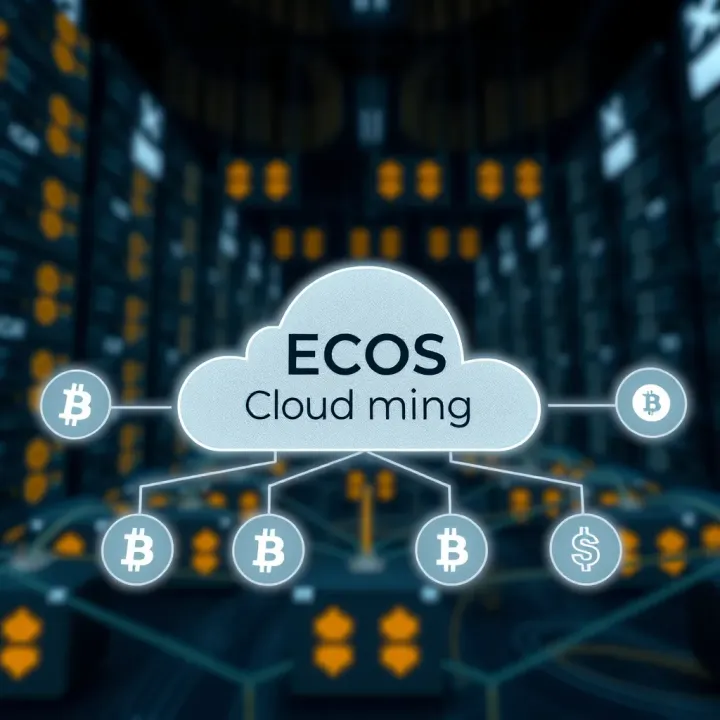
Discover how ECOS Cloud Mining makes crypto mining easy for Nigerians 🌍, without hardware or technical skills. Learn benefits, risks, and what to watch for before investing ₦.
Explore Quotex, a trading platform making waves among Nigerian traders 🇳🇬. Get detailed insights on features, account types, safety, and user experience to see if it suits your trading style. Compare it with top platforms and learn about support services that matter.

Discover ExpertOption 🖥️, a growing online trading platform in Nigeria 🇳🇬. Learn key features, account types, asset options, and tips to trade safely in ₦.
Based on 11 reviews