

Forex Market Hours: When It Opens on Sundays in Nigeria
📊 Learn exactly when the Forex market opens on Sundays in Nigeria, how global hours match local time, and tips to navigate liquidity and volatility.
Edited By
Oliver Spencer
Understanding the forex market hours is pretty important for Nigerian traders who want to make the most of their trading strategies. The forex market doesn’t operate like stocks; it’s open 24 hours on weekdays but with specific sessions that can impact volatility and liquidity.
In Nigeria, where the local time zone is West Africa Time (WAT), aligning forex trading hours with Nigerian time is crucial to know when the market is most active. This helps traders plan their moves smartly instead of flying blind.
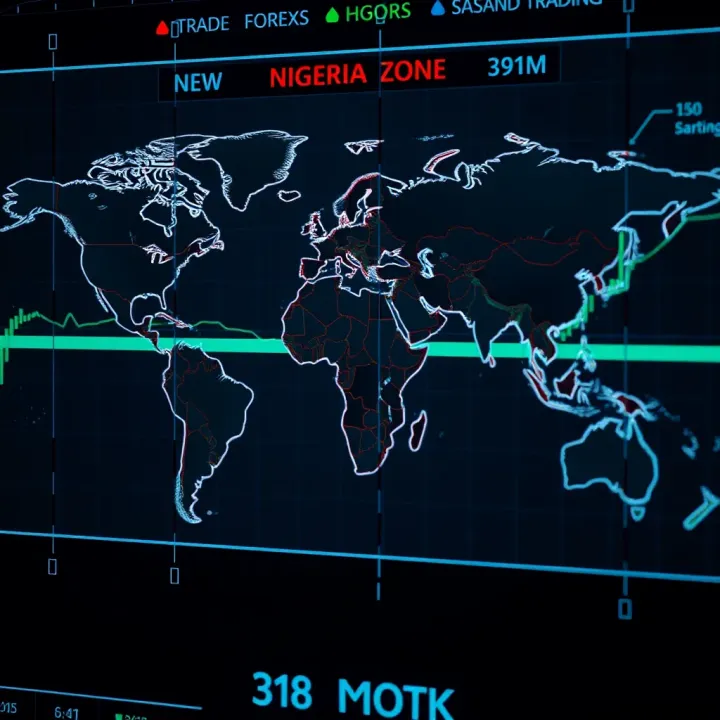
One common question is whether forex trading happens on Sundays. Knowing the answer is vital since it affects when traders can enter or exit the market.
This guide will break down how global forex sessions relate to Nigerian time, explain the role Sunday trading plays or doesn’t play in forex, and offer practical tips for Nigerian traders to schedule their trades better.
Knowing when the market opens and closes — especially how it fits into Nigeria’s time zone — can save you from unnecessary risks and missed opportunities.
Grasping the forex market's structure and its operating schedule lays down the foundation for smart trading, especially for Nigerian traders who juggle local time differences and global session timings. Without this understanding, it's like trying to catch a bus without knowing its timetable; you might miss the best opportunities or enter the market at a less favorable time.
This section gives you the big picture: how the forex market functions across different time zones and how the sessions overlap. Knowing when the main markets open and close helps you plan trades, manage risk, and know when to expect higher liquidity or increased volatility. For example, if you know the London and New York sessions overlap during Nigerian afternoon hours, you can spot when currency pairs like EUR/USD or GBP/USD tend to move more actively.
The forex market is unique because it runs around the clock, from Monday morning in Asia until Friday evening in New York. This nonstop setup means that as one major market closes, another one opens, offering continuous trading chances.
Imagine the forex market as a relay race passing the baton across cities: Sydney, Tokyo, London, and New York. These financial hubs sit in different time zones, causing the market to roll through various regions at distinct local times. For Nigerian traders operating on West Africa Time (WAT), understanding these time zones is key. For instance, when Tokyo wakes up and the Tokyo session kicks off late night Nigerian time, trading options revolve more around Asian currency pairs like JPY or AUD.
From the start of the week in Sydney on Monday morning (local time) to New York closing Friday afternoon, there’s nearly no break. Traders benefit by being able to react instantly to global news, economic releases, and geopolitical events at any hour during the week. This is handy for Nigerians who might want to execute a trade after work hours or early in the morning. However, it's essential to know the weekend break is real—as no official trading happens from Friday night to Sunday afternoon (WAT).
Breaking down the day into sessions clarifies when the market is most active and where the bulk of the trading volume sits. There are four major sessions that most traders track.
Sydney Session: The forex day kicks off with Sydney, opening around 10 PM WAT. This session is smaller but important for commodities-linked currencies like AUD and NZD.
Tokyo Session: Starts around midnight Nigerian time and attracts Asian market players, focusing on JPY and other Asian currencies.
London Session: Opening around 8 AM WAT, London drives the heaviest market activity due to Europe's massive financial centers.
New York Session: Open from 1 PM WAT into the evening, New York's session often overlaps with London, stirring up major currency pairs involving USD.
This cycle means Nigerian traders can pick sessions that best fit their schedules and trading goals.
Overlaps between sessions spur the busiest trading hours, offering the tightest spreads and highest liquidity. Notably, the London-New York overlap—from 1 PM to 4 PM WAT—is often the hot spot for major currency pair movement. Conversely, the Sydney-Tokyo overlap, happening late night to early morning Nigerian time, sees less volume but can still produce useful trends for specific currencies.
These overlaps give Nigerian traders windows where volume spikes, which is excellent for scalping or day trading. However, outside these times, the market might be quieter, leading to wider spreads and more price slippage. Knowing these periods helps traders avoid getting caught in choppy markets or unexpected gaps.
Understanding these global sessions and their timing is like having a map to the forex playground. It helps Nigerian traders pick their spots wisely and avoid being blindsided by sudden market moves.
Understanding forex market hours in Nigerian local time is crucial for traders who want to make timely decisions and optimize their trading strategies. Since the forex market operates across multiple global centers, knowing when these sessions align with West Africa Time (WAT) helps Nigerian traders spot the best trading windows and avoid periods of low liquidity.
Trading at the wrong time can lead to missed opportunities or higher risks due to volatile or thin markets. By tracking market hours in WAT, Nigerian traders can sync their activities with global market movements, ensuring they remain competitive and informed.
Aligning forex sessions with Nigerian clock is the first step toward effective trading for Nigerian investors. Forex sessions from Sydney, Tokyo, London, and New York happen in different time zones, so converting these to WAT (UTC+1) gives traders a clear picture of when each market opens and closes.
For example, the London session typically opens around 8:00 AM WAT and closes at 4:00 PM WAT. Meanwhile, the New York session overlaps with London and runs approximately from 1:00 PM to 9:00 PM WAT. Having these concrete figures allows traders in Lagos or Abuja to plan their day around the most active periods.
Knowing the exact time windows helps to avoid guessing and makes it easier to catch the busiest market hours when trading volume is at its peak.
Accounting for daylight saving changes globally can sometimes befuddle traders. Nigeria doesn't observe daylight saving time, so WAT remains steady throughout the year, but countries like the UK or the US do.
During the winter months, London trades at UTC+0, but in summer, it shifts to UTC+1. This means that the opening time of the London session shifts by an hour in Nigerian local time depending on the season. Similarly, New York switches between UTC-5 and UTC-4. Nigerian traders must adjust their clocks accordingly to avoid confusion and misaligned trading.
Practical tip: Maintain a forex trading calendar or set alerts on your phone that automatically adjust for daylight saving changes globally. This reduces errors and keeps you ahead of market shifts.
Peak activity periods during Nigerian daytime generally align with the London and New York sessions. The London session (8:00 AM to 4:00 PM WAT) marks the start of the European trading day, with substantial volume and movement in currency pairs like EUR/USD, GBP/USD, and USD/CHF.
The New York session overlaps from about 1:00 PM to 9:00 PM WAT, bringing in the American traders and adding liquidity in USD-related pairs. During this overlap, volatility usually spikes, presenting more trading opportunities.
How market activity aligns with Nigerian working hours is very convenient for many traders. The London session fits nicely into Nigerian office hours, allowing traders to monitor the market actively during the day. For example, someone working 9 AM to 5 PM local time can catch the London open and then prepare for the New York open in the afternoon.
This alignment allows traders to engage in forex trading without drastically altering their daily routines. Early risers might catch the tail-end of the Asian session (the Tokyo and Sydney markets), but most find the European and American sessions more relevant for their trading plans.
Understanding these timings helps traders strategize when to open or close positions, manage risks, and avoid confusing times when the market is thin and spreads widen—often during the low-volume Asian hours that fall late at night or early morning in Nigeria.
In summary, converting global forex sessions to Nigerian local time and recognizing the key trading windows during Nigerian daytime helps local traders harness market action efficiently while adapting to their daily schedules.
For Nigerian forex traders, knowing whether the forex market operates on Sundays holds practical significance for planning trades and managing risks. Many traders wonder if they can jump in early during the weekend to position themselves ahead of Monday's market momentum. Understanding the actual market hours around Sundays helps traders avoid unnecessary risks and optimize their strategies.
By clarifying the status of Sunday trading, this section guides traders on what to expect and how to make informed decisions. It highlights the realities of market closures and any exceptions that certain brokers might offer, which is essential for Nigerian traders who want to align their schedules and trading plans accurately.
Generally, the global forex market officially shuts down from Friday 10 PM UTC until Sunday 10 PM UTC. This closure includes the entire weekend, when most major exchanges and banks are closed, leading to no real-time price movements or trading activities in the conventional sense. For Nigerian traders (West Africa Time, WAT, UTC+1), this means the market typically closes at Sunday 11 PM Nigerian time and reopens late Sunday night.
This official gap acts as a cooling-off period where the markets rest and reset before the new trading week begins. It also means that price quotes from Sunday daytime (Nigerian time) until late evening are usually stale or inactive. Attempting to trade during these official closed hours carries risks such as wider spreads and slippage due to low liquidity.
Remember: Trying to trade during official market downtime is like trying to buy groceries when the store is closed; real trading activity simply isn’t happening.
Not all brokers strictly adhere to this shutdown period. Some brokers offer early access to Sunday trading through their proprietary platforms or through electronic communication networks (ECNs). For example, brokers like IG Markets and Forex.com sometimes open their platforms earlier on Sundays to allow traders to preview market conditions.
However, those early openings usually feature limited liquidity and can involve higher trading costs. Nigerian traders must carefully check their broker's policies on Sunday operations. Some brokers also offer demo accounts accessible during the weekend, which can be useful for practice but doesn't represent actual trading conditions.
When choosing a broker for possible Sunday activity, Nigerian traders should prioritize brokers regulated by authorities such as the Financial Conduct Authority (FCA) or the Central Bank of Nigeria, ensuring safety during these off-hour sessions.
Though the official market begins closing on Friday night (UTC time), the new trading week technically kicks off in the Sydney session on Sunday at 10 PM UTC. For Nigerian traders, this is 11 PM on Sunday.
This opening marks the start of real-time price quotes moving again as liquidity returns gradually. The Sydney session operates alongside the Tokyo session, which starts a few hours later, creating a slow ramp-up into the week.
This timing means Nigerian traders who stay up late Sunday can catch the first price movements and begin setting up trades or monitoring the market closely for early opportunities.
Understanding the early Sunday openings allows Nigerian traders to prepare in advance and avoid surprises. For example, if a major economic announcement occurred over the weekend impacting global currencies, this early session permits the market to start reacting before Nigerian banks open Monday morning.
Traders can use this window to adjust stop-losses, place new orders, or close out risky positions based on preliminary price action. Some also use Sunday evening sessions to test trading strategies in a live environment, though with caution due to lower volume.
In practice, this means the Nigerian trader can:
Monitor breakout moves occurring early Sunday night
Avoid waiting till Monday morning when the market is more crowded
Manage weekend risk by adjusting orders ahead of volatile periods
Tip: Set alerts for the Sydney session start to stay ahead of potentially significant early moves, especially when major global news events break over the weekend.
Overall, while the forex market broadly rests during the weekend, savvy Nigerian traders who understand Sunday trading nuances can gain a strategic edge by preparing for the week when the market quietly begins to stir in the Sydney session late Sunday night.
Sunday trading in the forex market might not see the same hustle and bustle as during the week, but it definitely has its own significance for Nigerian traders. Understanding how Sunday trading influences liquidity, volatility, and strategic planning can help traders position themselves effectively for the upcoming week. This section breaks down what to expect during Sunday market hours and how these conditions can be both a challenge and an opportunity.
Forex markets on Sundays tend to experience markedly lower participation compared to weekdays. Since a good chunk of institutional traders and banks are offline, the market becomes less liquid. This means there aren’t many buyers and sellers around, leading to "thin spreads"—where the difference between buying and selling prices can become either unusually tight or, paradoxically, occasionally erratic due to the low volume. For Nigerian traders, this thin liquidity can make entering or exiting trades more sensitive; even small orders might cause noticeable price swings.
Lower liquidity on Sundays isn't all bad news. While it increases potential risks, like slippage and sudden price jumps, it also opens doors for quick trades if you're alert and prepared. For example, if there’s important global news or geopolitical events announced during the weekend, price gaps can form right at the Sunday open. Nigerian traders who monitor these events closely can capitalize by positioning early, but must also keep stop-losses tight to avoid sudden losses when the market reacts unpredictably. Being extra cautious is key, but informed traders can turn this volatility into an early advantage.
When trading during the Sunday session, Nigerian traders need to dial up their risk management tactics. Using smaller trade sizes, setting strict stop-loss levels, and avoiding overly volatile pairs can reduce the risk of big losses. For instance, pairs like USD/NGN might behave differently on Sundays compared to majors like EUR/USD. Keeping a close eye on spreads before placing orders can prevent entering trades when the cost is artificially high. Traders should also consider using limit orders rather than market orders to control entry prices better during these uncertain hours.
Many seasoned Nigerian traders treat Sunday as a prep day. Since the forex market globally begins its weekly cycle with the Sydney session opening, Sunday can offer insight into how the market is likely to move when the London and New York sessions start. This is a good time to analyze charts, check economic calendars, and place pending orders for the week ahead. For example, if the Australian and Asian markets show strong momentum on Sunday, it can hint at trends continuing into Monday. Making use of this window to establish trading plans can save time during busy weekdays and put traders steps ahead.
Remember: Trading on Sundays requires patience and discipline—don't rush into trades simply because the market is open. Understanding market conditions and applying careful strategies will lead to better outcomes.
By recognizing how Sunday trading impacts liquidity and volatility and preparing with appropriate risk tactics, Nigerian forex traders can use this period not just to navigate challenges, but to seize unique opportunities for the week ahead.
Forex brokers play a key role for Nigerian traders hoping to tap into trading opportunities during Sunday hours. While the global market usually takes weekends off, some brokers offer access during these off days, giving traders a chance to prepare or even make moves before the week officially kicks off. Understanding how brokers operate in this space is crucial because not all provide the same level of access or reliability when it comes to Sunday trading.
Certain brokers have extended their trading hours to include parts of Sunday, often just before the official weekly opening. Platforms like IG, Saxo Bank, and even smaller ones like FXTM sometimes offer what’s called pre-week market access or demo trading on Sundays. This means traders can test strategies or place trades before the Monday rush.
For Nigerian traders, these platforms provide a valuable edge: a quiet market with less noise but potentially higher volatility. This environment allows for strategic early positioning. Demo accounts further add a low-risk way to get accustomed to weekend market behavior without real money on the line. This hands-on experience can be a game-changer for beginners or those curious about Sunday trading dynamics.
Reliability is the top priority when picking a broker for Sunday access. Market conditions during weekends are different — spreads can widen unexpectedly, and liquidity is often thin. Therefore, you want a broker regulated by authorities such as the FCA (UK) or CySEC (Cyprus) to ensure your trades execute fairly and funds stay safe.
Execution quality also matters a lot during off-hours. A system prone to delays or order slippage can turn a decent Sunday trade into a frustrating loss. Some Nigerian traders favor brokers with proven strong server infrastructure and transparent pricing during off-peak sessions.
Traders should also be aware that weekend trading might come with higher trading costs or restrictions on leverage. Always check the broker’s terms and conditions for weekend or Sunday trading before committing any capital.
Choosing the right broker isn't just about access—it's about trust, transparency, and stability. Only then can you confidently make moves during those quieter Sunday hours without fear of surprises.
In short, Nigerian traders interested in Sunday trading need to pay attention to what brokers offer and how they operate during these unusual hours. Picking a platform with solid weekend trading options, clear policies, and regulated status can significantly impact a trader’s performance and peace of mind.
Planning forex activities effectively is key for Nigerian traders to navigate the market hours confidently and avoid common pitfalls. Since forex trading is influenced by global session timings, including the less active Sunday hours, knowing when and how to act can protect your capital and boost your chances of success. Practical tips help traders stay organized, adapt to market conditions, and maintain discipline in a market that never exactly sleeps but does have periods of low activity.
Staying on top of market calendars and setting alerts is like having a personal assistant for your trades. Forex sessions open and close at different times globally, and major economic events can shake the market unexpectedly. For Nigerian traders, syncing with these calendars ensures you don’t miss important trading windows.
For example, the London session, opening around 8 AM WAT, often brings higher volatility. Without a calendar, you might trade blindly during slower periods and hit losses due to thin liquidity. Economic releases, such as central bank rate decisions or US non-farm payroll reports, dramatically affect price movements. Setting alerts for these can keep you ready to act or hold back.
Using tools like Forex Factory or Investing.com calendars, customized for West Africa Time, helps mark these events clearly. A practical approach is to note down the session overlaps and major announcements on your phone or computer, triggering reminders to check the market before these times.
Keeping track of these sessions and events isn't just good practice—it can significantly reduce surprises and improve trade timing.
Risk management is crucial, especially when the market dips into quiet periods, like weekend or early Sunday trading. During such times, liquidity thins out, spreads widen, and price movements can become erratic. For Nigerian traders, understanding when not to trade is as important as knowing when to jump in.
Avoiding undue risk during off-market hours means planning your trading around peak activity times—usually Monday through Friday during major sessions—and treating Sunday trading cautiously. If you jump in when volumes are low, you might face more slippage or fake breakouts, which can wipe your gains.
A sound tactic is to use Sunday openings to prepare trades for the upcoming week rather than aggressively trading. This could involve setting limit orders aligned with your strategy to catch early moves once higher liquidity returns. Or it could mean revisiting your risk limits and ensuring stop losses are in place ahead of time.
Balancing activity also means knowing your limits. If you find certain sessions consistently lead to losses due to market noise or thin volume, it might be best to sit those out until better conditions return.
In trading, sometimes the best move is no move—especially when market hours dip into less predictable territory.
Integrating these practical tips will give Nigerian traders a steadier footing in managing the forex market’s ebb and flow, particularly when considering Sunday trading nuances and aligning activities to the market’s pulse.
📊 Learn exactly when the Forex market opens on Sundays in Nigeria, how global hours match local time, and tips to navigate liquidity and volatility.
📈 Learn the forex market hours in Nigeria, how the time zone impacts trading, and the best times for Nigerian traders to maximize profits.⏰💹
🌍 Learn how the US forex session timing fits Nigeria’s clock ⏰. Get tips on best trading hours and how to adjust for time differences effectively.
📈 Discover how Nigerian traders can trade smartly during the Asian forex session. Learn key hours⏰, currency impact 💹, and tailored strategies for success.
Based on 11 reviews