

Understanding TradingView Free for Nigerian Traders
📈 Discover how Nigerian traders can maximize TradingView Free! Learn its features, limits, and pro tips for effective market analysis without extra cost.
Edited By
William Foster
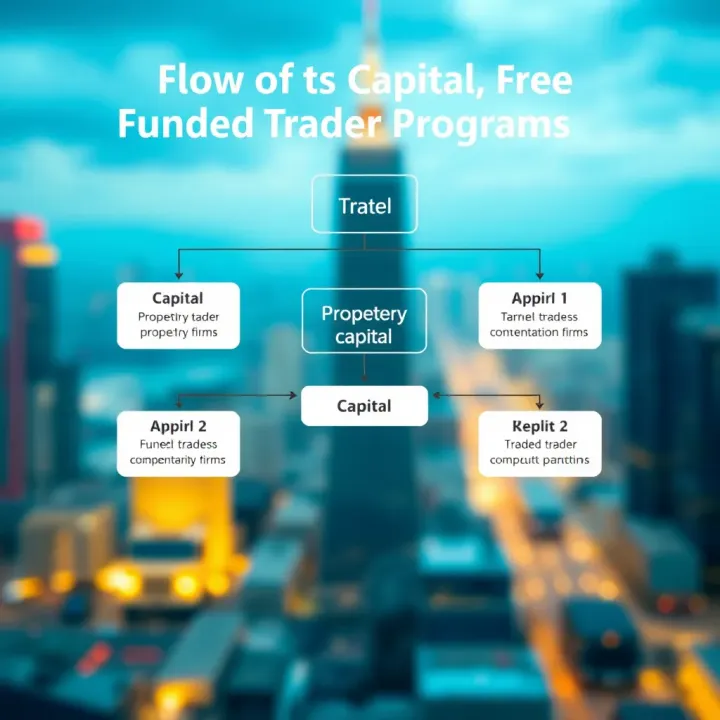
Free funded trader programs have become increasingly popular among Nigerian traders who want to access financial markets without risking their own money. These programs provide an opportunity to trade using capital supplied by proprietary (prop) firms, which means you don’t need your own funds to start trading. In other words, if you can prove your trading skills and discipline, you could manage large sums of money while keeping a share of the profits.
The basics are straightforward: you apply to a prop firm offering a funded account, complete their evaluation or challenge (often by hitting specific profit targets without breaching risk limits), and once approved, you trade live markets with their capital. Typical markets include forex, indices, and sometimes commodities or stocks.
This setup has several advantages:
Lower financial barrier: No need for significant upfront capital, which is often a hindrance for many Nigerian traders.
Risk management: The company sets rules to control losses, helping you maintain discipline.
Profit sharing: Traders keep a percentage of profits, often 70% or more.
However, some challenges exist. Prop firms enforce strict risk controls and trading rules that may feel restrictive. Meeting profit targets within time limits isn’t easy. Plus, traders must carefully manage their psychology and emotions since they represent firm capital.
For Nigerian traders, accessing these programs requires:
Research: Choose reputable firms with transparent terms.
Practice: Sharpen your strategy through demo or simulated accounts.
Funding evaluation: Prepare for challenges or probation periods where you demonstrate consistent profitability and risk control.
Funded trader programs offer a path for Nigerian traders to trade bigger accounts with less personal financial exposure, but success depends heavily on discipline and proven skill.
Understanding how these programs fit into your trading goals can be a stepping stone to building a sustainable trading career, especially where capital is limited. The rest of this article will explore how these schemes operate, criteria for selection, and practical tips to optimise your chance of success with funded accounts.
Free funded trader programs have opened a new avenue for traders in Nigeria to participate in financial markets without risking their own money upfront. At their core, these programs allow traders to access capital provided by proprietary trading firms, enabling them to trade stocks, forex, commodities, or cryptocurrencies under predetermined conditions. This model is especially significant in the Nigerian context, where limited access to large trading capital and fluctuating naira exchange rates often hinder aspiring traders.
Proprietary trading firms are organisations that allocate their own capital for trading, aiming to profit from skilled traders' strategies. These firms scout for talented individuals willing to trade their money under strict rules, sharing profits while controlling risks. Their practical relevance lies in reducing barriers for new traders who lack substantial funds but have the skill to manage market volatility.
Funded trader programs differ from retail trading primarily in capital source and risk exposure. Retail traders invest their own savings, bearing full risk of losses. In contrast, traders in funded programs use the firm's capital, limiting personal financial exposure. For example, a Nigerian trader participating in a funded program can test strategy on ₦5 million of firm capital, while infact risking only time and effort, not personal savings. This approach encourages discipline and professional trading conduct because failures affect the trader’s standing with the firm but not the trader’s personal finances.
Most funded trader programs start with an evaluation phase. During this stage, traders undergo challenges designed to gauge their trading skills, risk management, and consistency. Challenges may require achieving certain profit targets within strict drawdown limits over specified days. For instance, a trader might have to generate 5% profit over 20 trading days without exceeding a 2% daily loss. This phase weeds out traders who cannot maintain discipline or manage losses effectively.
Upon passing evaluation, traders receive capital allocation to trade live accounts funded by the proprietary firm. Profit-sharing arrangements often follow, where the trader keeps a significant percentage of gains, commonly between 60% to 80%. For example, if a trader makes ₦1 million profit on the firm’s account, they could take home ₦600,000 to ₦800,000 depending on the contract terms. This incentivises skilled trading and long-term commitment.
Account sizes in these programs typically range from small sums like ₦2 million to larger amounts exceeding ₦20 million, depending on the trader’s experience and firm policies. Trading instruments offered vary but usually include forex pairs, indices, commodities, and sometimes Nigerian stocks or cryptocurrencies. This flexibility allows Nigerian traders to specialise in markets they understand best, increasing chances for success.
Free funded trader programs empower Nigerian traders by providing capital access with reduced personal financial risk, a structured path to professional trading, and opportunities to earn meaningful profits.
By understanding the inner workings of these programmes — from the role of proprietary firms to the evaluation process and profit-sharing models — traders can better assess how to use these platforms effectively within Nigeria's unique economic conditions.
Joining a free funded trader program offers Nigerian traders valuable opportunities they might not easily access on their own. These programmes provide capital, structured learning, and a platform for career advancement. For Nigerian traders navigating economic uncertainties and a fluctuating naira, these benefits become particularly significant.
Nigeria's economic environment remains challenging due to inflation, fluctuating naira exchange rates, and limited personal savings for many traders. Free funded trader programs allow participants to trade with firm-provided capital rather than their own funds. This means Nigerian traders can engage in markets without risking personal money, which is crucial in an economy where every naira counts.
For instance, a trader based in Lagos might hesitate to use their life savings for forex or commodities trading due to naira's volatility against the dollar. Access to free capital means they can test strategies and build experience without draining savings or taking on personal debt.
Avoiding drain on savings amid naira volatility is a key practical benefit. Many traders struggle because money placed in volatile markets can quickly diminish, especially during periods of political instability or currency fluctuation. With funded programs, you avoid putting your emergency funds or needed finances at risk.
Instead, you focus on skill-building with the firm’s capital. That way, when naira becomes unstable or fuel prices surge (raising generator costs for internet-dependent trading setups), your personal savings remain untouched. This reduces stress and keeps your financial footing steady.
One major advantage of funded trader programs is structured learning in risk management. These firms often set clear drawdown limits and risk rules, teaching traders discipline and control that retail trading might lack.
Learning to manage risk properly helps avoid common pitfalls like overtrading or emotional trading during market swings. For example, a participatory trader on such a programme would learn to limit losses to a fixed percentage daily rather than chasing quick profits—which often leads to wipeouts in Nigeria’s sometimes illiquid markets.
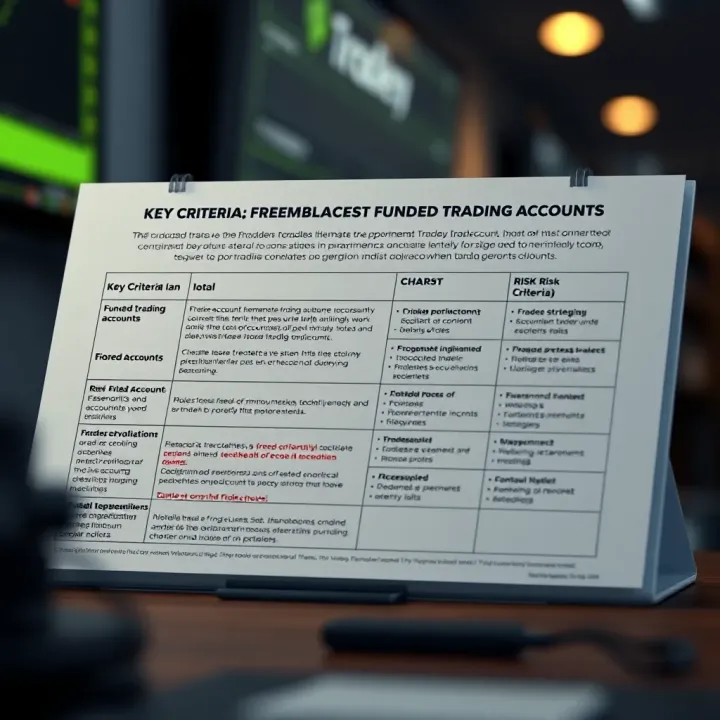
Programs also expose traders to multiple markets and instruments beyond local options. You might trade forex pairs like USD/NGN or global commodities such as oil and gold, benefiting from a broader view of financial markets. This experience is valuable because it builds adaptability and widens the trader’s toolkit.
Exposure to diverse instruments also means you can find niches where your skills match market conditions, whether day trading US indices or swing trading agricultural products. This breadth is often missing for Nigerian traders limited to local brokers or restricted access.
The profit-sharing model used by funded trader firms offers real earning potential without upfront investment. Typically, after meeting programme targets, traders keep a percentage of profits, which can amount to significant income alongside proper risk management.
For example, a Nigerian trader who turns ₦1 million profit in a funded account might keep 70–80% of those gains. This model rewards skill and encourages steady, consistent trading rather than risky gambles.
Beyond immediate earnings, funded trader programs help build a track record useful for future opportunities. A Nigerian trader who proves consistent profitability and discipline can attract offers from bigger proprietary firms or even start managing client funds.
Building such a verified record is vital in Nigeria’s growing but competitive fintech and investment sectors. It can open doors to coaching roles, advisory jobs, or partnership offers, stepping stones to a professional trading career.
Free funded trader programs offer Nigerian traders a low-risk path to gain capital, sharpen skills, and create income while building a credible trading profile.
In summary, these programs mean more than just free capital—they offer structured growth and a foothold in markets that might otherwise be out of reach for many Nigerian traders.
Understanding the eligibility criteria and application process is crucial for Nigerian traders wanting to join funded trader programs. These steps serve as gatekeepers to ensure candidates possess the right skills, discipline, and ethical standards before trading with firm capital. Familiarity with these requirements helps save time and prevents wasted effort on applications bound to be rejected.
Funded trader firms usually require applicants to demonstrate a basic level of trading knowledge or experience. This prevents novices from entering the program without understanding market mechanics, risk management, or trade execution. In Nigeria, where access to formal trading education can be limited, this might mean providing proof of previous trading on demo accounts or running a small live account independently. For example, some firms ask for at least six months of consistent demo trading or detailed logs showing profitable strategies.
Most free funded programs impose age restrictions, commonly requiring applicants to be at least 18 years old, with an upper age limit often around 55. Residency can also be a factor; some firms accept traders worldwide, while others restrict participation to certain countries. Nigerian applicants should carefully check if their country is accepted and whether any local regulations might affect participation. The relevance lies in ensuring compliance with international laws, KYC (Know Your Customer), and anti-money laundering policies set by the proprietary trading firms.
Strict adherence to trading rules is a must. This includes sticking to daily loss limits, avoiding prohibited strategies like news trading or excessive scalping, and maintaining honesty throughout the evaluation phase. Ethics are critical because funded firms entrust traders with real capital; any dishonesty or rule-breaking can lead to expulsion and loss of future opportunities. Nigerian traders must be prepared to operate transparently and keep detailed records of trades to demonstrate compliance.
Applying usually starts with an online registration form where you provide personal details, trading background, and agree to terms. While termed "free funded" programs, many proprietary firms still charge a non-refundable fee to cover the evaluation phase or verification costs. These fees range from ₦20,000 to ₦100,000 or more, depending on the program. It's essential for Nigerian traders to factor these costs into their budget before applying.
Following registration, traders undertake a trading challenge designed to test their skills against predefined benchmarks. These usually cover achieving a profit target within a set timeframe while respecting drawdown and risk limits. For instance, a challenge might require you to make 5% profit over 30 days without exceeding a 3% daily loss. Nigerian traders must understand these parameters thoroughly, as failing to meet even one condition often results in disqualification.
Evaluation periods typically range from a few weeks to two months. Firms provide dashboards where applicants can track performance in real time, adjust strategies accordingly, and prepare psychologically for pressures. Timely progress updates help Nigerian traders know whether to tighten risk controls or maintain steady growth. Planning for this period is necessary, especially given local internet and power challenges which may affect consistent market access.
Knowing the eligibility and application details upfront empowers Nigerian traders to approach funded programs confidently, increasing their chances of success and avoiding unnecessary frustration.
Joining free funded trader programs offers attractive opportunities, but it's vital to understand the risks and challenges involved. These schemes aren't a smooth ride; traders must navigate specific pitfalls, restrictions, and rules to succeed. For Nigerian traders especially, balancing ambition with discipline helps avoid costly mistakes that could disqualify you or put your capital at risk.
One of the main hurdles in funded trader programs is passing the evaluation phase. Proprietary firms usually set specific targets alongside risk limits to assess if a trader can manage capital responsibly. For instance, if you’re required to grow a demo account by 10% in 30 days without breaching a 5% drawdown, failing to hit these figures means no funding. Nigerian traders might feel pressured to chase profits recklessly due to the high stakes of the evaluation, leading to hasty decisions.
Meeting these criteria requires focused strategies and patience. Remember, overtrading or deviating from your plan often triggers automatic disqualification. Treat the evaluation like a proper job rather than quick gains; this mindset helps curb impulsive actions.
Overtrading, or entering too many trades without clear rationale, is a common trap. It tends to happen when traders want to make up for losses or hit profit targets faster. However, this approach usually backfires, exposing your funded account to greater losses and hitting drawdown limits prematurely.
Effective risk control means setting sensible position sizes and sticking to stop-loss orders. For example, controlling exposure to no more than 1-2% of the allocated capital per trade can prevent a single loss from wiping out progress. Nigerian investors juggling multiple financial pressures may find it tempting to gamble beyond limits, but strict discipline protects your funded status.
Funded trading firms impose daily loss limits and drawdown rules to safeguard their capital. These set the maximum loss permissible within a day or overall trading period. For example, if your daily loss limit is ₦500,000, exceeding that closes your funded account immediately.
This framework forces traders to respect risk boundaries, which can be challenging during volatile market conditions such as sudden naira fluctuations or unexpected economic news from Nigeria. Knowing these limits upfront is key to planning your trades conservatively.
Not all trading tactics are allowed in funded programs. Some firms ban scalping, hedging, or trading certain volatile instruments. The rationale is that these strategies may carry excessive risk or manipulate short-term price movements unpredictably.
For Nigerian traders interested in Forex or commodities, reading and understanding the fine print concerning banned approaches is necessary. Using prohibited methods can lead to immediate suspension, no matter the profit. Sticking to approved strategies ensures compliance and a smoother path to consistent profits.
Avoiding losses that breach limits and following firm rules diligently can mean the difference between passing the funding stage and losing your chance. Success depends not just on trading skill but also on adhering strictly to programme terms.
Success in free funded trader programs requires more than just luck. Nigerian traders must adopt practical habits and strategies that improve consistency and minimise errors. These tips can bridge the gap between theory and real trading performance, especially when working with funds provided by proprietary firms.
Backtesting and journaling trades help traders sharpen their approach before risking real funded capital. Backtesting involves using historical price data to simulate trades based on a defined strategy. For example, a trader might backtest a moving average crossover system on Nigerian Stocks Exchange prices to see if it would have been profitable. This process builds confidence and weeds out weak tactics.
Journaling means recording every trade’s details: entry price, exit price, position size, reasoning, and emotions experienced. Over time, this practice highlights strengths and reveals recurring mistakes. Maintaining such records can be especially useful in the intense evaluation stages of funded programs, where every trade affects your future funding.
Managing position sizes is critical to controlling risk. Applying the same position size regardless of the instrument or market volatility is a recipe for disaster. Nigerian traders should calculate position size based on the risk capital allowed and the maximum acceptable loss per trade. For example, if your daily loss limit is ₦50,000, sizing your trades so losses stay within a fraction of this limit helps avoid sudden account termination.
By mastering position sizing, traders protect their accounts from the impact of a few bad trades, allowing them to stay in the game longer and increase profit potential. This skill is vital in a funded environment where strict drawdown rules apply.
Dealing with stress during evaluation can make or break your funded trader journey. During the testing phase, the pressure to meet profit targets without breaching drawdown limits is intense. Stress may lead to impulsive trades or hesitation. Nigerian traders should adopt calming routines, like taking short breaks or practising mindfulness, to keep emotions balanced.
Remember, funded programs evaluate your discipline. Staying calm under pressure mirrors real trading conditions and impresses proprietary firms.
Keeping realistic profit expectations is another key mental challenge. Many traders enter funded schemes hoping for quick, large gains. However, the program's rules usually promote steady, risk-managed profits over time.
Setting achievable goals, such as a 5% monthly return, helps manage disappointment and prevents overtrading. Especially with naira volatility and unexpected market shocks, disciplined, modest profit-taking often leads to longer-term success.
Understanding tax obligations on trading profits is essential for Nigerian traders. The Federal Inland Revenue Service (FIRS) views income from trading as taxable, so profits withdrawn from funded accounts must be declared. Failure to disclose earnings can cause problems later, including penalties.
Consulting a tax professional familiar with trading income can save you from surprises during assessment seasons. Keeping detailed records helps calculate taxable income accurately.
Safe withdrawal methods and currency controls also deserve attention. Nigerian forex regulations limit some fund transfers and foreign currency dealings.
Traders should arrange withdrawals through authorised dealers or platforms with CBN licences to avoid fund seizure or delays. Services like GTBank or Access Bank that support cross-border remittances via legitimate channels make withdrawals smoother.
Practical readiness in strategy, mental toughness, and compliance with Nigerian legal frameworks altogether boosts your chances to thrive in funded trader programmes.
📈 Discover how Nigerian traders can maximize TradingView Free! Learn its features, limits, and pro tips for effective market analysis without extra cost.

Discover Nigeria's richest forex traders 💰, their strategies 📈, challenges faced ⚠️, and key lessons for aspiring investors 🇳🇬 in the forex market.
💰 Discover top daily payout affiliate programs in Nigeria! Learn how to earn fast, join easily, and get paid quickly with trusted local payment methods.

Discover ExpertOption 🖥️, a growing online trading platform in Nigeria 🇳🇬. Learn key features, account types, asset options, and tips to trade safely in ₦.
Based on 13 reviews