

Guide to Trading on app.deriv.com in Nigeria
Explore app.deriv.com for Nigerian traders 📈. Learn about its features, secure funding, trading tools, account setup & tips for local market success 🇳🇬.
Edited By
Emily Clarke
Funding your Deriv account in Nigeria is straightforward once you understand the payment options and local conditions. Nigerian traders have several choices to top up their accounts, ranging from traditional bank transfers and card payments to fintech platforms like OPay and Flutterwave. These methods bring flexibility that suits different preferences and transaction sizes.
Currency and Conversion
Deriv accepts payments in US dollars and some other major currencies, but Nigerian users often deal with naira conversions during deposits. The exchange rate you get depends on your payment method and service provider. For example, using a debit or credit card often means getting a rate set by your bank or card issuer, while fintech apps might offer more competitive rates due to lower fees.
Bank Transfers: Most Nigerian banks enable US dollar transfers through the SWIFT network, but expect some delays and fees. GTBank, Zenith Bank, and First Bank are common choices. To avoid high costs, verify if your bank supports direct transfer to Deriv's partner accounts.
Card Payments: Visa and Mastercard cards issued in Nigeria are typically accepted on Deriv’s platform. However, international transactions might trigger fraud alerts, so inform your bank beforehand to prevent payment blockages.
Fintech Solutions: Services like OPay, Flutterwave, and Paystack have grown popular for quick and affordable transactions. These platforms allow wallet funding with minimal paperwork and sometimes better exchange rates than banks.
Deriv enforces minimum and maximum deposit limits depending on the payment channel. For example, bank transfers might require a ₦10,000 minimum, while cards can be higher. Transaction fees vary; fintech platforms often charge between 1% and 3% of the funded amount, while banks may impose fixed charges plus currency conversion fees.
When funding your Deriv account, always double-check rising fees during ember months and festive seasons, as Nigerian banks and fintech providers sometimes adjust charges during these periods.
Verify your payment method’s eligibility for international online trading.
Confirm your BVN and NIN are updated, as fintech apps may require these for compliance.
Keep proof of transaction records to resolve any funding delays with Deriv’s support.
Funding your trading account smartly ensures you focus more on market analysis and less on payment hassles. With the options available in Nigeria today, funding your Deriv wallet can be seamless and cost-effective when done right.
Funding your Deriv account in Nigeria is the first key step before you can actually start trading. It goes beyond just moving money; it affects your ability to participate actively in the market and make the most from your trading goals. Knowing how to navigate the funding options, adhere to local payment practices, and understand currency implications can save you unnecessary delays and unexpected fees.
Taking a practical view, funding your account should be straightforward and fit within the Nigerian financial ecosystem. For example, if you use a bank transfer, you want to avoid delays caused by local banking hours or insufficient documentation. Similarly, when opting for fintech platforms like OPay or Flutterwave, understanding their integration with Deriv helps you manage your funds without headaches.
Deriv offers different account categories tailored to various trader needs. The standard financial account allows trading in options and forex, suitable for beginners and intermediate traders. Meanwhile, the synthetic account provides access to simulated markets which behave independently of real-world assets—a good place to practise or hedge. Choosing the right account depends on your trading style and goals, as each category comes with distinct features and risk levels.
The trading products on Deriv include options, CFDs (Contracts for Difference), forex pairs, and commodities like gold or oil. These products allow traders to speculate on price movements without owning the underlying asset. For instance, a Nigerian trader interested in gold prices can use Deriv to buy options on gold without physically purchasing the metal. This variety supports diversification but requires understanding the product terms before funding your account.
Account registration on Deriv demands valid identification and compliance with Know Your Customer (KYC) rules, which protects against fraud and aligns with Nigerian regulatory requirements. You must submit documents like your National Identification Number (NIN) or passport, as well as proof of address. Ensuring all documents are accurate and submitted correctly helps avoid funding delays and transaction refusals.
Funding your Deriv account unlocks access to trading opportunities. Without an active balance, you can't place trades or take advantage of market movements. For example, in volatile situations like currency fluctuations or commodity price swings, swift funding enables you to respond fast. Also, having a reliably funded account sets you up for smoother transactions when withdrawing profits or adjusting positions.
Seamless payment is essential to maintain trading momentum. Delays or failed transactions can disrupt your strategy, costing you potential gains. A user funding through mobile wallets like PalmPay experiences near-instant deposits, compared to longer waits with traditional bank transfers during peak hours. This smooth experience builds confidence and reduces the friction often involved in international trading platforms.
Ensuring your funding methods are reliable and compatible with Deriv’s systems in Nigeria can make the difference between a good trading start and frustrating interruptions. Always check payment channels, limits, and processing times before making your deposit to avoid surprises.
Funding a Deriv account in Nigeria demands practical knowledge of account types, product offerings, and payment options. It sets the stage for your trading journey, so approaching this phase informed can lead to better outcomes and fewer hassles.
Choosing the right payment method is key when funding your Deriv account in Nigeria. Speed, convenience, security, and cost play major roles in your selection. This section lays out the popular options Nigerian traders mostly rely on, with details on their pros, cons, and practical steps.
Bank transfers remain one of the most straightforward ways to fund your Deriv account. You simply initiate a transfer from your Nigerian bank account to the designated Deriv deposit account. Most online banking apps and branches support this, enabling you to move funds at your convenience. The main advantage is the ability to transfer large sums securely without third-party involvement. However, transaction times can vary depending on your bank — some clear instantly while others take a few hours.
USSD codes have gained popularity due to their simplicity and accessibility, especially for those without smartphones. By dialling a specific code tied to your bank or mobile wallet, you can swiftly send funds to your Deriv account. This method often bypasses the need for internet connectivity, which is useful in areas with patchy service. Quick and inexpensive, USSD payments suit traders who want hassle-free deposits without visiting a bank.
Most major Nigerian banks support USSD payment services, including GTBank, Access Bank, Zenith Bank, and First Bank. They each have unique USSD codes—for instance, *737# for GTBank and *909 for Zenith—that customers can use to make instantaneous transfers. Given the widespread adoption, USSD offers a reliable way to fund your trading wallet from nearly anywhere in the country.
Deriv accepts commonly used international cards such as Visa and Mastercard. Both debit and credit cards issued by Nigerian banks fall under this. Using cards offers quick processing times and familiarity for those comfortable with online payments. However, card funding may attract fees from your bank or Deriv, so it’s good to check beforehand.
Funding with your card typically involves entering card details on the Deriv deposit platform and specifying the deposit amount. The system may prompt for verification through OTP (One Time Password) sent by your bank, adding a layer of security. Once approved, the funds reflect in your Deriv account promptly.
Always use your card on secure networks to avoid interception of data. Ensure the Deriv deposit page URL starts with HTTPS, signalling encrypted communication. Avoid saving card details on public devices and monitor your bank statements regularly to spot any unauthorized transactions early.
Nigeria’s fintech platforms have transformed how payments happen. Apps like OPay and PalmPay offer wallet services where you preload money and quickly fund trading accounts. Flutterwave integrates multiple payment options, including bank transfers and card payments, within a single platform, simplifying fund mobilisation.
Paystack, known for powering many Nigerian e-commerce payments, supports wallet-like services tied to your bank cards or accounts. Funding your Deriv account through Paystack-linked wallets means your transactions are processed swiftly and securely, enhancing your trading experience.
Mobile wallets bring speed and convenience, requiring only your phone to complete transactions. They reduce dependence on cash or physical bank visits and often have lower fees. Plus, many wallets offer instant notifications so you can monitor deposits immediately, which is handy during fast-moving trading sessions.
When selecting your payment method, balance speed, security, and cost to suit your trading habits. Mobile wallets suit quick access, while bank transfers offer reliability for larger deposits. Cards provide familiarity but require caution.
By understanding these popular payment options, you can fund your Deriv account in Nigeria with confidence and efficiency, keeping your focus on making informed trades.
When funding a Deriv account from Nigeria, understanding currency and conversion nuances is essential. Since Deriv operates primarily in US dollars (USD), Nigerian traders need to be aware of how their deposits in naira (₦) convert to USD and how this affects both trading and withdrawals. Paying attention to these factors helps manage trading capital effectively and avoid unexpected losses due to currency fluctuations or conversion fees.
Deriv accounts use US dollars as the main trading currency. When you deposit funds from Nigeria, your naira amount is converted automatically into USD before it reflects in your trading wallet. This setup allows access to the global assets on Deriv without direct exposure to naira fluctuations during trade execution.
Practically, this means if you deposit ₦50,000, Deriv converts it to USD based on the prevailing exchange rate. The same applies to withdrawals, where your USD balance converts back to naira or your chosen currency. While this offers ease in trading internationally, it calls for a careful look at exchange rates to ensure your deposited funds retain value.
The impact on deposit amounts and withdrawals becomes clear when naira weakens against the dollar. For example, if you deposited funds when ₦450 equals $1, your ₦50,000 would convert to about $111. If naira depreciates to ₦500 per dollar by the time you withdraw, your $111 converts back to ₦55,500, a gain from naira perspective. Conversely, during naira strength, you might lose naira value on withdrawal compared to deposit time.
Understanding this dynamic guides traders in timing deposits and withdrawals better, avoiding moments when the naira is unusually weak or strong, to save money.
Naira volatility poses a real challenge. Rates can shift suddenly due to economic events or policy changes by the Central Bank of Nigeria (CBN). Traders may see their deposited naira value reduced after conversion or withdrawal due to poor rates or parallel market premiums.
Navigating this requires staying updated on exchange trends and choosing the right moment for transactions. For instance, making deposits when the dollar is less expensive in naira terms maximises your trading capital.
To minimise exchange losses, consider these tips:
Use reliable payment platforms with the best available exchange rates rather than hasty local transfers.
Plan deposits during periods of relative naira stability, avoiding longer waits that expose funds to sharp currency swings.
Monitor official CBN rates and compare with fintech rates to spot the best option.
If possible, fund your account in small batches instead of a lump sum to average out exchange rate fluctuations.
Remember, timing and method of currency conversion can make a significant difference in your available capital for trading. Being strategic around these factors helps protect your investment from avoidable currency risks.
Ultimately, clear understanding of currency and conversion mechanics allows Nigerian traders to handle their Deriv accounts more effectively and make better-informed decisions on funding and withdrawals.
Funding your Deriv account is not just about moving money; it’s about setting yourself up properly to start trading without hitches. This guide breaks down the process into clear, manageable steps, helping you avoid common mistakes and delays. Whether you use bank transfers, cards, or fintech wallets, being methodical ensures your funds reflect quickly and securely.
Before depositing, double-check your bank or wallet details. In Nigeria, it's common for small mistakes like one wrong digit in an account number to cause failed transactions or lost funds. Take a moment to compare the details with your bank’s app or official wallet app. For example, if you plan to fund via OPay, ensure you have an active account, with sufficient balance and verified contact details.
KYC (Know Your Customer) compliance and Bank Verification Number (BVN) matching are mandatory when funding your Deriv account from Nigeria. Financial institutions demand this to reduce fraud and illegal activities. Your Deriv account must reflect this too, meaning your registered identity must match the linked bank or wallet. This alignment avoids fund freezes or transaction reversals. For instance, if your BVN details don’t match your bank account name, your deposit might be rejected.
Once your payment method is ready, head to the Deriv deposit page. This page provides a list of available payment options and respective instructions. It's designed to be user-friendly, but don’t rush. Select the Nigerian-supported methods like bank transfer, card payment, or mobile wallets. For example, choosing your bank from the dropdown menu lets you copy payment details directly, saving time and mistakes.
Completing the payment securely means following each step carefully. Use trusted internet connections — avoid public Wi-Fi spots which hackers might target. Make sure all URLs start with "https". Nigerian users should also confirm the payment gateway’s legitimacy; scams often try to mimic popular platforms. Keep your PINs and OTPs confidential, and never share them with anyone claiming to help.
Transaction times vary in Nigeria. Bank transfers might clear within minutes but can take up to a few hours during ember months or public holidays. Mobile wallets like OPay or PalmPay tend to be faster, often instant or within 15 minutes. This timing affects your ability to trade immediately after funding. Plan around this if you expect market volatility.
After depositing, always check your Deriv wallet balance. This confirmation assures you that your money has arrived and is ready for trading. You can refresh the wallet page or log out and back in to see updates. For example, if you deposited ₦20,000 via Flutterwave, your wallet should reflect this full amount minus any fees.
Delays happen but knowing how to troubleshoot is key. If funds don’t show after several hours, first verify with your bank or wallet if the transaction was successful on their end. Next, reach out to Deriv customer support with your transaction reference number handy. Sometimes, delays are due to verification processes or network issues, particularly during weekends or ember months when online traffic surges.
Always keep a record of your transaction details until the deposit reflects properly. This can be the difference between quick resolution and unnecessary frustration.
By following these precise steps, Nigerian traders can fund their Deriv accounts effectively, avoiding unnecessary stress and focusing on trading success.
Funding your Deriv account from Nigeria comes with specific challenges and risks. This section shares practical tips and warnings to help you navigate safely and efficiently. Being aware of potential scams, local disruptions, and network or power issues will protect your funds and keep your trading uninterrupted.
Recognising official Deriv channels is critical. Always use Deriv’s official website or app for deposits. Avoid third-party sites or social media accounts claiming to offer funding services. For example, some scammers set up fake payment portals mimicking Deriv’s interface to steal login details or funds. Nigerian traders have lost money using unofficial links promoted on WhatsApp or Telegram groups. To stay safe, check the URL carefully and ensure it starts with “https://www.deriv.com” or use the official mobile app from trusted stores only.
Safe payment practices include never sharing sensitive details like your BVN (Bank Verification Number), card PINs, or OTPs (One-Time Passwords) outside the official payment window. Use secure internet connections, preferably your home Wi-Fi or mobile network, rather than public hotspots. Also, review your fund transfers immediately after deposits to confirm the exact amount reflects on Deriv. For precaution, avoid funding your account with unknown or shared bank accounts. Nigerian scammers sometimes lure users into sending money through unfamiliar Paystack or Flutterwave payment links, which are not connected to Deriv.
Dealing with network downtime is quite common in many parts of Nigeria, especially during peak hours or ember months when demand on telecom networks surges. When your internet drops mid-transaction, avoid multiple repeated payment attempts as this may cause double charges. Instead, allow some time before retrying. Update your mobile data settings or switch between 3G and 4G to stabilise the connection. You could also use USSD deposit options if your phone supports them; these are often more reliable under poor network conditions.
Working around power and internet issues is necessary given the frequent NEPA/DISCO outages. An uninterrupted power supply ensures your device remains connected during deposits. Many traders use power banks, generators, or solar chargers as backups. Since the deposit page requires steady internet and device uptime, having a backup strategy reduces failed transactions and delays. In areas with unstable power, try scheduling deposits during known periods of reliable supply—for instance, early mornings or late evenings when power is more consistent. This helps avoid incomplete payment errors that can cause frustration and extra verification steps with Deriv support.
By recognising official channels, paying safely, and preparing for local disruptions, Nigerian Deriv users significantly reduce risks and improve the funding experience.
Practical caution and preparedness pay off when managing your trading funds from Nigeria.
Explore app.deriv.com for Nigerian traders 📈. Learn about its features, secure funding, trading tools, account setup & tips for local market success 🇳🇬.
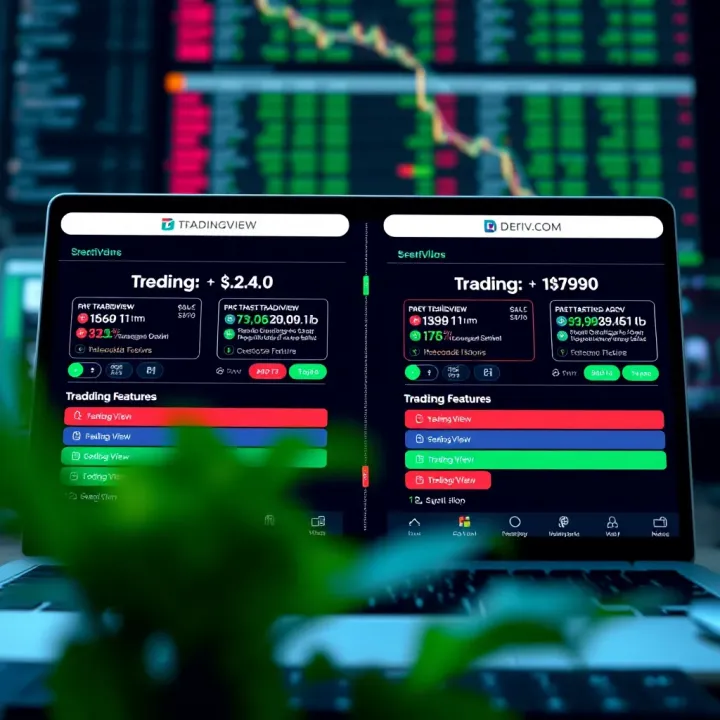
Compare TradingView 📈 and Deriv.com 💹 features, tools, and support to find the best fit for Nigerian traders seeking smart trading options.

📈 Nigerian traders, learn how to set up and use TradingView on Deriv with handy charting tools and tips to make smarter market decisions easily.

Learn how Nigerian users can safely sign in to www.deriv.com 🔐. Get easy steps, troubleshoot tips, and secure your trading account today!
Based on 12 reviews