
Binary Trading Guide for Nigerian Traders
Explore binary trade basics, benefits, and risks 📉📈 tailored for Nigerian traders. Get practical tips and smart strategies to boost your trading skills! 🇳🇬
Edited By
Charlotte Dawson
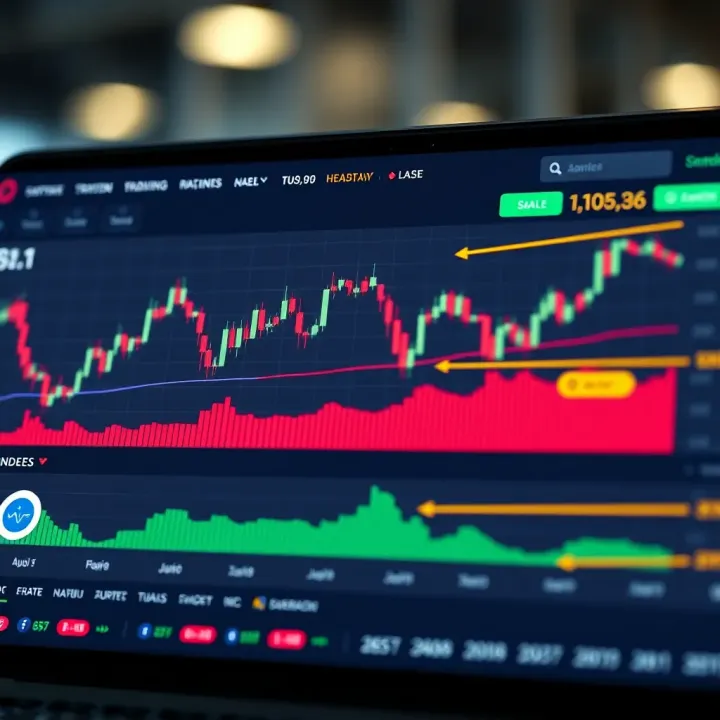
Synthetic indices have emerged as popular instruments for traders in Nigeria eager to tap into market movements without physically holding the underlying assets. Unlike traditional stocks or commodities, synthetic indices are generated by algorithms that simulate real market behaviours. This allows traders to speculate on price rises and falls using digital contracts.
What makes synthetic indices appealing in Nigeria is their availability through brokers that cater directly to local traders. Platforms like Deriv and others operate with naira funding options and support standard payment methods common in Nigeria. This reduces friction caused by forex conversion or unreliable payment gateways.
Trading synthetic indices demands an understanding of a few key components:
Market simulation: Synthetic indices mirror patterns seen in real markets but run continuously, unaffected by real economic events like earnings reports or political news.
Volatility cycles: These indices have predictable volatility intervals — some are steady, others more choppy, allowing traders to pick strategies that suit their risk appetite.
Leverage and margin: Brokers offer leveraged trading on synthetic indices, meaning you can open larger positions with less capital. This increases both potential profit and risk.
For Nigerian traders, one advantage is the consistent market hours—synthetic indices operate 24/7, offering flexibility outside typical exchange times. This suits traders juggling other commitments or those caught in Lagos traffic wanting to trade at odd hours.
Remember, synthetic indices aren’t a shortcut to easy money. Understanding the specific nature of these markets, practising risk management, and choosing reliable platforms are vital steps before investing real money.
In this article, you will find practical guidance on how to approach synthetic indices trading within the Nigerian context. From selecting platforms that accept naira deposits to adopting workable trading strategies and managing inevitable risks, every aspect is tailored for the Nigerian market environment. By the end, you’ll be better placed to decide whether synthetic indices fit your trading plan and how to maximise your ₦ trading ventures safely.
Grasping what synthetic indices are is key for anyone looking to trade them effectively in Nigeria. Unlike traditional assets, synthetic indices offer a unique way to profit from market movements without actually owning the underlying asset. This means you can trade price changes directly, which is especially useful for markets that run 24/7 or have unusual volatility patterns.
Synthetic indices are financial instruments created by algorithms that simulate real-world market behaviour. They replicate price movements of hypothetical assets designed by software rather than being tied to actual stocks, commodities, or currencies. This gives traders a way to participate in market-like fluctuations but within a controlled environment.
For instance, a synthetic volatility index can mimic the ups and downs of a real market's volatility, allowing traders to predict and profit from price swings. One key feature is their constant availability — synthetic indices are active every minute of the day.
Unlike traditional assets such as shares or oil, synthetic indices don’t depend on supply and demand in physical markets or economic fundamentals. Their prices don't move because of earnings reports or production output but follow patterns generated by complex algorithms.
This makes synthetic indices less vulnerable to external events like geopolitical risks or sudden news shocks. For Nigerian traders who cope with local market closures or irregular market hours, synthetics offer the convenience of round-the-clock trading.
Synthetic indices are generated by algorithms that mimic the behaviour of traditional financial markets. The algorithms use random number generation and statistical models to produce price series that reflect volatility and trending cycles seen in real markets.
Because these indices are algorithm-driven, their price patterns are non-manipulable and designed to be consistent over time. This offers a level of predictability and fairness, which can be appealing to traders looking for a reliable trading playground.
One big advantage of synthetic indices is how they operate 24/7 without needing a live underlying market. While stock markets in Nigeria or abroad close for weekends or public holidays, synthetic indices keep moving.
This nonstop availability lets traders in Nigeria avoid the downtime typical of local exchanges, making it possible to trade any time—even during the ember months or festive seasons when markets are usually quiet.
Volatility indices track the speed and magnitude of price movements within set periods. A synthetic volatility index might rise sharply during periods of quick market swings and fall when the market steadies.
Trading volatility indices lets you capitalise on market turbulence without predicting market direction. For example, during fuel subsidy removal announcements in Nigeria, volatility indices often show rapid fluctuations, offering many trading opportunities.
Crash and boom indices simulate sudden market drops or surges. Crash indices, for example, exhibit sharp, unpredictable downward price movements, while boom indices show sudden upward spikes.
These indices are ideal for traders who prefer high-risk, high-reward setups, requiring sharp reflexes and strong risk management to profit from these swift market moves.
Beyond volatility and crash/boom types, there are synthetic indices designed to mimic long-term trending or range-bound market conditions. Some focus on slower price waves, giving traders more stable patterns to analyse.
These variants add diversity, allowing Nigerian traders to select synthetic indices that match their preferred trading style, whether it’s scalping, day trading, or longer-term position-taking.
Understanding synthetic indices gives Nigerian traders an edge by opening up 24/7 market access with predictable algorithm-driven assets, making it a practical alternative amid local market limitations and the naira's fluctuating context.
Selecting the right trading platform is a foundational step for anyone diving into synthetic indices trading in Nigeria. Your choice affects everything from how smoothly you execute trades to the safety of your funds and personal data. It pays to understand the key features that make a platform trustworthy and user-friendly, especially considering the unique market conditions Nigerian traders face.
A regulated platform is vital for protecting your investment. In Nigeria, it’s common to see brokers regulated by bodies like the Financial Conduct Authority (FCA) in the UK or the Cyprus Securities and Exchange Commission (CySEC). Although these are foreign regulators, their oversight adds a level of transparency and security. For traders, this means knowing that client funds are segregated and that there are rules against fraudulent practices.
Local regulation is also emerging, but still developing. Always check if the broker complies with international standards, as unregulated platforms have a higher risk of failing or manipulating prices. Security features, such as two-factor authentication (2FA) and encrypted transactions, should also be non-negotiable to safeguard your account.
Not all platforms offer synthetic indices, so you need to verify which brokers provide these instruments. Some popular synthetic indices include Volatility 10, Boom 1000 Index, or Crash 500 Index, and seeing them available is key before you register. Brokers like Deriv and Binary.com are known for specialising in synthetic indices and providing 24-hour trading options.
It’s important that the platform updates index data in real-time with minimal delay to reflect accurate market movements artificially generated by algorithms. This ensures your trades respond to true price fluctuations rather than stale data.
Trading synthetic indices can get intense, requiring quick decision-making. A platform with a clean, intuitive interface helps you focus without distractions. Features such as clear charting tools, accessible order types, and straightforward navigation enhance your trading experience.
Platforms that offer mobile apps with full functionalities allow you to trade on-the-go, which suits Nigeria’s busy lifestyle and often erratic power supply. If you can access your account from anywhere, without complicated menus, it can make a big difference during volatile market hours.
The ease of depositing and withdrawing funds counts heavily in platform choice. Popular Nigerian payment gateways like Paystack and Flutterwave have made digital transactions faster and more reliable, which local brokers or international brokers accepting these options use.
For example, using Paystack on a platform means you can fund your trading wallet directly from your bank account or mobile money without worrying about currency conversions or hidden charges. Similarly, Flutterwave integration offers multiple payment methods including card payments and bank transfers, making it easier to manage your cash flow.
Several brokers have earned reputations among Nigerian traders for their synthetic indices offerings. Deriv is a standout, offering a wide range of synthetic indices with flexible trade durations and a user-friendly platform. It also supports local payment methods, making funding straightforward.
Other brokers include IG Markets and Binary.com, though Deriv remains more popular due to its customised approach to synthetic indices and better local support. Confirming past user reviews and trading conditions can help you pick a platform that's both reliable and suited to your style.
Choose a platform that aligns with your trading needs and gives you confidence that your funds and data are secure to succeed in synthetic indices trading in Nigeria.
Trading synthetic indices successfully demands more than luck; it requires reliable strategies tailored to the unique behaviour of these instruments. Effective trading strategies help you make sense of the often volatile and simulated price movements, increasing your chances of consistent profit while keeping risks in check.
Price charts are your first window into price movement over time, and candlestick patterns offer visual cues that can help predict future trends. For example, recognising a "hammer" candlestick—characterised by a small body and long lower wick—might indicate a potential price reversal upwards. Nigerian traders can use these patterns to time entries and exits, especially since synthetic indices operate 24/7, allowing flexibility across different Nigerian time zones.
Candlestick charts are preferred over simple line charts because they convey more information at a glance about the psychology of traders — whether buyers or sellers are dominating. This is useful for synthetic indices where price swings can be sudden.
Indicators add a quantitative layer to your analysis. The Relative Strength Index (RSI), for instance, measures the magnitude of recent price changes to evaluate overbought or oversold conditions. An RSI above 70 might warn that the synthetic index is overbought and due for a downward correction, signalling you to consider selling or holding off buying.
Moving averages smooth out price data to identify the direction of a trend. A 50-period moving average crossing above the 200-period moving average, known as a "golden cross", often signals the start of a bullish trend. For a trader operating in Nigeria's volatile market conditions, these indicators help distil noise and clarify market direction.
Trend following involves identifying a clear price direction—either up or down—and trading in that direction. For example, if a synthetic volatility index shows consistent higher highs and higher lows, a trend follower might take long positions until signs of reversal appear. This approach suits Nigeria's active market hours when price momentum is more predictable.
Range trading, on the other hand, capitalises on price moving between defined support and resistance levels without clear trends. When price oscillates between ₦500,000 and ₦550,000 on a synthetic index, a range trader buys near support and sells near resistance repeatedly. It’s particularly handy during low volatility periods or ember months when markets tend to be choppier.
Day trading means opening and closing positions within the same trading day. Given that synthetic indices operate non-stop, you can pick active hours that suit your schedule, such as evening times after Lagos traffic clears. The key benefit is avoiding overnight risks.
Scalping takes this a step further by making very quick trades to capture small price movements several times a day. For instance, a scalper might buy a synthetic crash index and sell profitably within minutes when prices show brief spikes. This technique demands quick decision-making and discipline, which some Nigerian traders find effective amidst market unpredictability.
Successful trading combines understanding the tools, choosing appropriate strategies, and adapting to market moods. As a Nigerian trader, these approaches can help you navigate synthetic indices confidently while keeping risk at bay.
Trading synthetic indices can be profitable, but it also carries substantial risks due to their inherent volatility. Managing risk is essential to avoid heavy losses, especially since these indices simulate market movements that can happen very quickly. Nigerian traders must understand these risks clearly and take practical steps to keep their investments protected.
Expecting sudden price changes is crucial when dealing with synthetic indices. Unlike traditional assets influenced by real-world events, synthetic indices are built on algorithms designed to produce sharp and sometimes unpredictable price swings. For example, a volatility index might suddenly jump or drop within minutes, triggered by programmed price patterns rather than news. This means you have to be prepared for fast moves weighing heavily on your open positions, particularly if you’re scalping or day trading.
Knowing the nature of these sudden swings helps you stay alert and avoid panic selling. Nigerian traders should set aside emotional reactions and rely on predetermined plans because expecting the unexpected here is not just smart, it’s necessary.
Knowing when to exit trades is just as important as entering at the right time. Since synthetic indices can reverse direction without warning, staying too long in a losing position can wipe out your capital fast. A common mistake is hoping the market will turn in your favour when data shows clear opposite momentum.
Practical exit strategies include monitoring key technical levels and respecting your stop-loss points. For instance, if you buy a synthetic volatility index expecting an upward move and it starts to fall below a certain moving average or support level, you should consider closing your trade promptly. Discipline in exiting can prevent small losses from becoming catastrophic.
Setting stop-loss and take-profit orders is one of the most effective ways to protect your capital. A stop-loss order automatically closes your trade once losses hit a set limit, while a take-profit order locks in gains at a predefined price. This automation removes guesswork and emotional bias, which often cause traders to hold losing trades too long or exit winning trades prematurely.
For example, if you open a ₦10,000 position on a synthetic crash index, you might set a stop-loss at 5% loss (₦500) and a take-profit at 10% gain (₦1,000). When the price reaches either level, your platform executes the order without delay. This way, losses don’t spiral out of control, and profits are secured before the market reverses.
Limiting trade size relative to capital means never risking too much on a single position. Many Nigerian traders might be tempted to increase bet sizes dramatically hoping for quick earnings, but this often results in blowout losses. A safe guideline is risking no more than 1-2% of your total trading capital per trade.
Suppose you have ₦100,000 in your trading account; risking ₦1,000 to ₦2,000 per trade means you can withstand several consecutive losses without depleting your funds. This conservative approach extends your market presence and allows you to stay steady during volatile phases. Good money management like this separates serious traders from amateurs.
Proper risk management can be the difference between a sustainable trading career and burning through your funds quickly. Always prepare for volatility, exit trades promptly, and use smart controls like stop-loss orders and position sizing.
Managing risks with these principles helps Nigerian traders navigate the fast-changing synthetic indices market more confidently and safely.
Starting to trade synthetic indices requires careful preparation. Nigerians must understand the steps to open accounts, fund them easily, execute trades correctly, and track performance continuously. Each step helps build confidence and improves chances of success in this unique market.
To begin trading, you need to open a trading account with a reputable broker that offers synthetic indices. Nigerian regulations require traders to provide valid identification such as a National Identification Number (NIN), a recent utility bill for address verification, and sometimes a Passport or Driver’s Licence. This verification process ensures compliance with Nigeria’s anti-money laundering laws and protects your funds.
Funding your account in Nigeria is made smoother by the availability of local payment channels. Platforms integrated with Nigerian payment gateways like Paystack, Flutterwave, or direct bank transfers allow you to deposit naira quickly and securely. This avoids the usual hassles of forex conversion or delays common with international bank transfers. For example, if you fund through Paystack, you can use your debit card or mobile banking without incurring excessive charges.
Choosing the right synthetic index and timeframe is crucial. Begin with well-known indices like Volatility 75 or Crash 100, which are commonly available and have clear price patterns. Selecting the right timeframe depends on your trading style. For intraday scalpers, short intervals like 1 or 5 minutes suit quick trades, while swing traders might prefer hourly charts to catch bigger moves. This choice affects how you interpret price action and manage risk.
Executing buy and sell orders requires familiarity with your trading platform’s interface. Typically, you enter the amount you want to trade, pick buy if you believe the price will rise, or sell if you expect it to drop. Nigerian brokers usually support one-click orders or confirmation buttons to avoid mistakes. For instance, buying the Boom 100 index during a clear uptrend and setting your stop-loss order close by helps manage losses if the market flips unexpectedly.
Tracking your trade performance is essential for learning and improving. Most platforms offer real-time dashboards showing profit or loss, trade duration, and price movement. Regularly checking this helps you spot if your entry or exit points need fine-tuning. For example, if a trade remains stagnant beyond your expected timeframe, it might be wise to cut losses early.
Adapting your strategy based on market conditions keeps you ahead. Synthetic indices can change patterns rapidly due to their algorithm-driven nature. If volatility spikes, you may reduce trade sizes or avoid scalping temporarily. Conversely, during stable trends, increasing your position slightly can boost returns. Being flexible yet disciplined ensures you respond to the market rather than forcing trades that don’t fit the current environment.
Starting strong by following these clear steps helps Nigerian traders avoid costly errors and grow steadily in synthetic indices trading.
Explore binary trade basics, benefits, and risks 📉📈 tailored for Nigerian traders. Get practical tips and smart strategies to boost your trading skills! 🇳🇬

Discover how Nigerian users can safely buy, sell, or exchange mobile apps 📱. Learn key platforms, legal tips, and security practices to trade confidently.
📊 Explore synthetic indices—how they mimic markets, their pros and cons, trading tips, regulations, and key points Nigerian traders should know before investing.
📈 Explore TradingView synthetic indices—what sets them apart, key features, risks, and strategies for traders in Nigeria and beyond. Get ahead today!
Based on 12 reviews