
Using TradingView with Deriv for Smarter Trading in Nigeria
Boost your trading in Nigeria 🇳🇬 with a step-by-step guide to using TradingView and Deriv platforms together for smarter, safer trades. 📈💡
Edited By
Henry Foster
Deriv is one of the popular online trading platforms in Nigeria, offering access to forex, commodities, synthetic indices, and more. TradingView, on the other hand, is renowned for its powerful charting tools, technical indicators, and social sharing features. Combining these two tools can significantly sharpen your trading edge by allowing smoother analysis and quicker trade execution.
Many Nigerian traders still rely on manual switching between platforms, which wastes precious market time. By integrating Deriv with TradingView, you can place trades directly from your charts, eliminating the back-and-forth and reducing reaction lag — a real advantage when markets move fast.
This guide aims to show you how to connect Deriv’s API to TradingView effectively. We will cover crucial steps like setting up API access, configuring Webhooks on TradingView for trade signals, and practical tips to optimise this workflow within Nigeria's trading environment.
Combining Deriv with TradingView isn’t just about convenience; it can help you respond to market changes quicker and manage multiple assets without opening several platforms simultaneously.
Before diving in, ensure that your Deriv account is active with verified KYC and that you have a functional TradingView subscription, preferably with access to alerts. These prerequisites are essential for a smooth integration.
Key benefits Nigerian traders often see from this integration include:
Faster order execution during volatile market hours
Reduced dependency on multiple devices or browser tabs
Customisable alerts and automated trading strategies
Better management of risk through timely market signals
Next, we will explore how to generate and secure your Deriv API token and connect it within TradingView for efficient trade signal execution.
Grasping how Deriv and TradingView work individually is key to making the integration effective. Both platforms offer distinct advantages that, combined, deliver sharper trading insights and quicker trade execution. Knowing their core functions helps traders navigate the process and troubleshoot challenges.
Deriv offers access to a wide array of financial instruments, appealing to different trading preferences. Nigerian traders can explore forex pairs, commodities like gold and oil, stock indices, and synthetic indices that simulate real market movements. This variety allows for portfolio diversification and the chance to trade beyond local markets.
The platform is designed with a clean, intuitive user interface (UI) that simplifies the trading experience. Features like one-click trade execution, real-time market charts, and an easy-to-navigate dashboard help both beginners and seasoned traders stay focused without being overwhelmed. For example, the option to switch between different account types (Deriv.mt5, Deriv.com) offers flexibility depending on user needs.
For Nigerian users, Deriv stands out because it accommodates local payment options and supports Naira funding, despite the country’s volatile currency environment. This makes it easier for traders to deposit and withdraw funds without major hassles. The platform's reliability also matters, given Nigeria’s power and internet stability challenges.
TradingView is widely recognised for its powerful charting tools and extensive technical indicators. Traders get access to oscillators, moving averages, Bollinger Bands, and custom indicators, enabling detailed trend analysis. For example, a trader analysing the Nigerian Stock Exchange (now NGX) could use TradingView to identify entry and exit points precisely.
Besides visual tools, TradingView allows users to create and customise trading strategies using its Pine Script language. Alerts can be set for various market conditions, ensuring traders don’t miss critical moments. Such automation saves time and reduces emotional decision-making in volatile markets.
The platform also fosters a social environment where traders share ideas, signals, and strategies. In Nigeria, this community aspect is invaluable for learning and networking, especially with real-time discussions and chart sharing relevant to local and international markets.
Understanding Deriv’s diverse instruments alongside TradingView’s analytical strength equips Nigerian traders to make smarter, faster decisions. This foundational knowledge supports smoother integration and optimises trading outcomes.
Linking Deriv with TradingView creates a powerful blend of trading and analysis tools that Nigerian traders can’t afford to overlook. This integration sharpens your ability to spot trading opportunities, react quickly to market movements, and manage positions more effectively. By combining Deriv’s flexible trading platform with TradingView’s top-tier charting, you gain a practical edge that suits Nigeria’s dynamic market conditions.
TradingView offers an extensive suite of charting tools that go far beyond Deriv’s native charts. Traders can use over a hundred technical indicators—like the Relative Strength Index (RSI), Bollinger Bands, and Fibonacci retracements—to analyse price trends. These tools help you read the market better, identifying support and resistance levels or trend reversals with more confidence. For example, a trader spotting a bearish divergence on RSI while watching Deriv instruments can time the entry or exit more precisely.
The platform provides real-time market data, ensuring you never miss crucial price movements. Alerts can be customised for various conditions—price crosses, indicator signals, or volume changes—triggering notifications directly on your device. This immediacy means you don’t have to watch the screen all day, especially useful when market hours clash with work or errands. A Lagos-based trader, for instance, can use alerts to catch sudden price swings in currencies or commodities without staying glued to their laptop.
Integration allows you to execute trades right from TradingView’s intuitive interface, removing the need to switch between platforms. If your chart signals a breakout, you can initiate a trade on Deriv within seconds, reducing lag that might cost you profit. This streamlined process is valuable during high volatility periods, when every second counts, such as during the naira’s reaction to CBN announcements.
Automated bots connected to TradingView alerts can place trades without manual input, enabling round-the-clock trading even when you are offline. These bots follow pre-set strategies, executing trades based on your chosen indicators or price levels. Especially during ember months, when market unpredictability spikes, automated trading can help manage multiple positions efficiently, mitigating the stress of constant market monitoring.
Linking platforms lets you set stop-loss and take-profit thresholds as you open a trade directly from TradingView. This controls risk immediately, protecting your capital from sudden swings. For Nigerian traders who juggle multiple income sources, such automated safety nets keep losses manageable without constant supervision.
Automation cuts down human errors—like d order sizes or missed execution timings—that often happen during manual trading. By relying on preset rules and alerts, you reduce emotional biases and oversight that can erode gains. For example, when naira-dollar rates shift fast, having a system that executes orders instantly helps capture opportunities without hesitation or slip-ups.
Connecting Deriv with TradingView equips Nigerian traders with practical tools to sharpen technical analysis, execute trades efficiently, and manage risk with confidence. The integration is not just convenience—it’s a way to trade smarter in a challenging market.
Integrating Deriv with TradingView is all about linking analytical power with practical trading execution. This step-by-step guide breaks down each technical detail, saving you from fumbling with complex setups. For traders in Nigeria, where efficiency and real-time action are key due to market volatility and infrastructure challenges, this integration helps you act faster on insights and manage risks better.
Before any tech magic takes place, you need verified accounts on both Deriv and TradingView. That means signing up on their platforms and completing any verification processes—like confirming your email or submitting identification documents—to activate full trading and API access. For Nigerian traders, ensuring your accounts are verified promptly avoids downtime, especially when market opportunities can vanish quickly.
Next, securing API keys is critical. API keys act like your digital passport, allowing secure communication between TradingView’s charting system and Deriv’s trading engine. Without the right permissions, you won’t be able to automate trades or receive live alerts. Getting these keys usually involves generating them within your Deriv account dashboard and configuring access rights properly. This step must be done carefully since improper permissions can block essential functions or expose you to security risks.
Once you have your keys, the real work begins with configuring the API endpoints. These endpoints are URLs that the TradingView platform uses to send and receive data from Deriv. Correctly setting these ensures your trade commands and market information flow smoothly. For example, if you want to place orders directly from TradingView charts, the endpoints must point exactly to Deriv's trade execution services.
Authentication follows closely behind. It involves managing tokens that prove your identity every time your system talks to Deriv’s servers. Think of it as a handshake that confirms you have permission to trade or access account info. Usually, these tokens expire after a short period, so your setup should handle refreshing them automatically. Neglecting token management can lead to interrupted trades or missed alerts, which are costly in fast-moving markets.
Programming alert conditions is where your trading ideas turn into automated signals. Using TradingView’s scripting language, Pine Script, you can set up precise triggers based on indicators like moving averages or RSI. For example, you might programme an alert to trigger when the price crosses a certain threshold signalling a buying opportunity. These alerts keep you informed instantly without staring at charts all day.
The final link in the chain is connecting those alerts to actual trade orders on Deriv. When an alert fires, a script or webhook must translate it into a command—for instance, opening a buy or sell position with specified stop-loss and take-profit levels. This automation cuts down manual errors and speeds up order execution, a big advantage when the market moves fast. Nigerian traders often combine this with mobile notifications to monitor trades even when away from their desks.
Setting up Deriv with TradingView stepwise like this ensures your trading integrates analysis and execution seamlessly, empowering you for smarter decisions and timely actions in Nigeria’s dynamic markets.
Integrating Deriv with TradingView offers plenty of advantages, but Nigerian traders face unique hurdles that require smart optimisations. Internet instability and power interruptions happen severally in many parts of the country. Additionally, the naira’s volatility and the nuances of local payment systems affect how you manage funding and withdrawals. Optimising your trading setup with local realities in mind ensures smoother execution and reduces costly disruptions.
Offline and fallback strategies are key to maintaining trading continuity when connectivity drops. For example, setting up TradingView alerts to notify you via SMS or email reduces your dependence on constant internet access. Also, consider apps that cache data offline so you can analyse charts even during downtimes. Some traders use VPNs to stabilise connections or switch between multiple Internet Service Providers (ISPs) where possible.
In terms of power, an efficient mobile data and power backup plan makes all the difference. Using mobile data as a fallback to broadband can save your trades from being interrupted when home Wi-Fi fails. Many rely on power banks or inverter systems, but be mindful of energy consumption when running your devices for long hours. Efficient use might mean scheduling heavy data tasks like chart downloads for daylight hours when power is more stable.
Currency risk considerations cannot be ignored for Nigerian traders funding Deriv accounts through foreign currency. Since the naira's value fluctuates, converting funds at the wrong time can lead to losses. Keeping an eye on Central Bank of Nigeria (CBN) policies and exchange rate trends helps you plan deposits and withdrawals more strategically.
When funding Deriv accounts with local payment methods, use trusted channels like banks with integrated online payment options or fintech services such as Paystack and Flutterwave. These platforms often feature better exchange rates and faster processing. Avoid unverified third-party funders to reduce fraud risk. Some traders keep an active dollar-denominated account to minimise conversion issues, which is worth considering if you trade frequently.
A trading setup that accounts for Nigeria's tech and financial environment isn't just convenient—it can protect your capital and improve your trading edge.
Being proactive with these adjustments helps Nigerian traders fully leverage Deriv and TradingView integration without falling victim to local infrastructure and economic challenges.
When integrating Deriv with TradingView, running into technical issues is almost unavoidable. The process involves API connections, real-time data, and trade execution scripts, all susceptible to occasional hiccups. Having a solid grasp of common troubleshooting methods and knowing where to seek support can save you time and avoid costly errors. In fact, once you learn the typical causes of problems and how to fix them, your trading workflow will run much smoother.
API connection errors often arise from basic misconfigurations. Common causes include expired or incorrect API tokens, network interruptions, or wrong endpoint URLs. For example, if you copy the API key incorrectly—perhaps missing a character or adding a blank space—the connection will fail silently or throw an authentication error. This disrupts data feed and trade commands between TradingView and Deriv. Therefore, double-check the API details and network settings whenever the connection falters.
Checking permissions is equally important. Some API keys may lack the necessary rights to perform trade executions or retrieve real-time data. On Deriv, ensure your API key allows trading commands if you want to place orders directly from TradingView alerts. Not verifying these permissions could lead to frustrating "access denied" errors. It’s wise to review your API key settings from your Deriv dashboard regularly, especially after any updates or security changes.
Synchronising the two platforms is crucial to maintain timely trade executions. Time discrepancies between your TradingView alerts and Deriv’s server clock cause delays or missed trades. Nigerian traders need to be mindful of this, especially with unstable internet connections. A practical approach involves checking your device’s system clock and using internet time servers to keep it accurate. This ensures your automated trades execute with tight timing, improving your market responsiveness.
Improving response time also involves optimising your internet setup and reducing interruptions. Slow data transfer in Lagos or Abuja, especially during ember months with heavy network traffic, can delay trade signals and execution confirmations. Consider using a stable broadband connection or a reputable mobile data provider with consistent speed. Additionally, trimming unnecessary scripts or simplifying alert conditions on TradingView helps reduce processing lag.
Deriv and TradingView both offer official support channels that resolve technical glitches efficiently. Contacting their help desks can clarify issues related to account verification, API usage, or platform updates. Deriv’s support team is particularly responsive to API-related queries, offering step-by-step guidance through chat or email.
Besides official help, Nigerian traders benefit immensely from local fintech communities and trading forums. Groups on platforms like Telegram or WhatsApp share real-life experiences, tips, and workarounds tailored to Nigerian infrastructure challenges. Joining these communities can provide quick answers and peer support, especially when facing network or payment system glitches unique to the Nigerian environment.
Staying connected with both official support and local trading networks ensures you are not stranded when technical difficulties strike. This mix of resources helps maintain uninterrupted trading and protect your investment.
In summary, understanding common errors, managing platform synchronisation, and tapping into support channels are vital for smooth Deriv-TradingView integration—particularly in Nigeria’s fast-evolving fintech space.
Boost your trading in Nigeria 🇳🇬 with a step-by-step guide to using TradingView and Deriv platforms together for smarter, safer trades. 📈💡
📊 Discover how TradingView & Deriv unite for smarter trading in Nigeria! Learn chart analysis, automate trades, & manage risks effectively. 💹
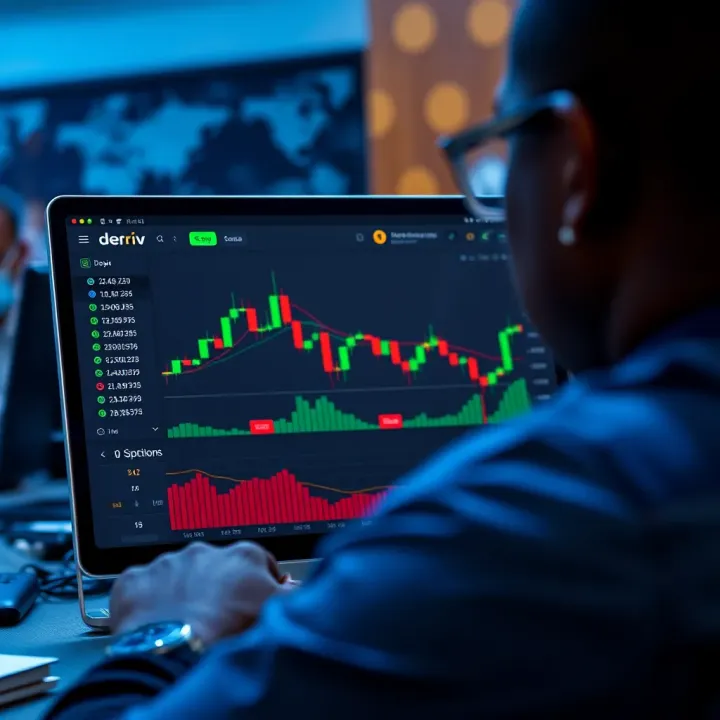
Explore app.deriv.com for Nigerian traders 📈. Learn about its features, secure funding, trading tools, account setup & tips for local market success 🇳🇬.
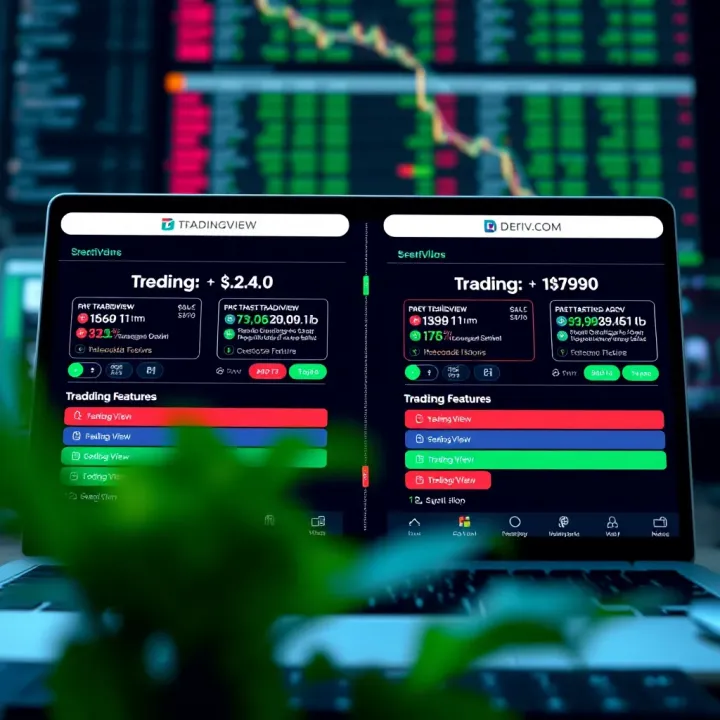
Compare TradingView 📈 and Deriv.com 💹 features, tools, and support to find the best fit for Nigerian traders seeking smart trading options.
Based on 11 reviews