

Top Apps Nigerian Students Use to Make Money Online
Discover top apps Nigerian students can use to earn money online 💰 from freelancing, surveys, selling 🎯, tutoring 📚 while steering clear of scams. Maximize income alongside studies!
Edited By
Laura Spencer
Online trade in Nigeria has shifted from a niche activity to a core business practice in recent years. With nearly 200 million people increasingly relying on smartphones and affordable internet, entrepreneurs now find new ways to reach customers far beyond traditional markets.
The Nigerian e-commerce space, spanning platforms like Jumia, Konga, and the more fintech-oriented OPay, offers vast opportunities to grow businesses across sectors—from fashion and electronics to agribusiness and cosmetics. However, succeeding online requires more than just listing products; you need solid knowledge of digital marketplaces, payment methods, logistics, and trust management.
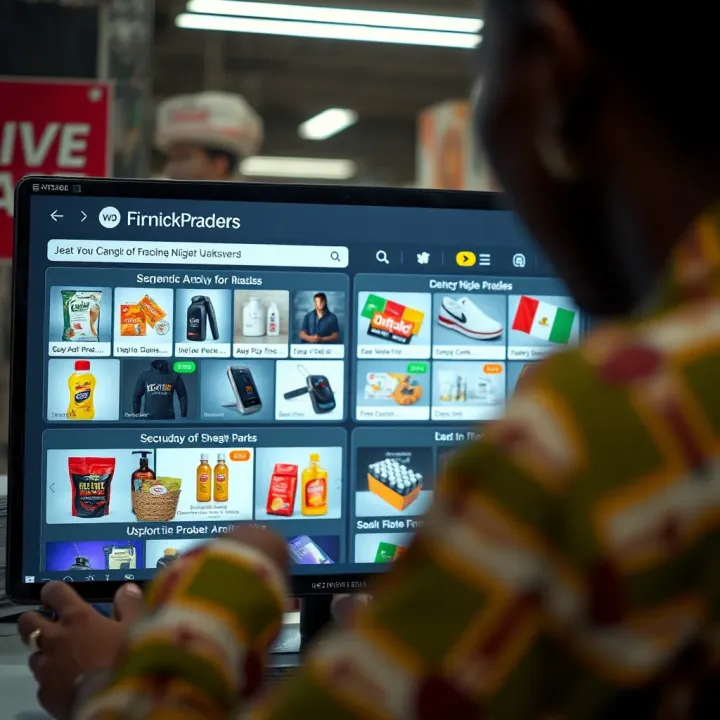
Understanding your customer base is key. Many Nigerians prefer payment upon delivery, partly due to trust issues and sporadic online fraud cases. Entrepreneurs who align their payment options—such as offering mobile money, bank transfers via USSD codes, or POS payments—with customer preferences will see smoother transactions. For example, integrating Paystack or Flutterwave payment gateways can simplify collections and reduce payment delays.
Logistics remains a practical hurdle. Delivery across Lagos might be relatively quick, but reaching customers in remote areas demands partnerships with reliable courier services and sometimes creative solutions like partnering with okada riders for last-mile delivery. Efficient supply chain management saves costs and improves customer satisfaction.
Nigerian online traders must adapt continuously to regulatory changes, especially with the Central Bank of Nigeria's policies affecting cross-border transactions and foreign exchange rates.
In summary, mastering online trade involves real understanding of Nigeria's digital payment culture, logistics landscape, and regulatory environment. Entrepreneurs who combine these with consistent service quality can thrive despite challenges such as power outages and fluctuating naira value. This guide will unpack these themes and provide practical strategies tailored specifically to Nigerian traders and investors.
Knowing exactly what online trade looks like in Nigeria helps entrepreneurs tap into the country's unique digital market effectively. Online trade here is not just about selling on global platforms; it's about understanding the Nigerian consumer's behaviour, local infrastructure, and payment systems. For business owners, this knowledge means better decisions on where to sell, what to stock, and how to reach customers efficiently.
Online trade involves buying and selling goods or services over the internet, which contrasts with traditional commerce that mostly happens face-to-face in physical stores or markets. In Nigeria, traditional markets like Balogun or Bodija have been vibrant for decades, but online trade breaks physical boundaries, allowing sellers to reach buyers from Lagos to Maiduguri without the need for storefronts. This shift matters because it reduces overheads and opens access to a wider customer base, especially for small businesses that can't afford prime physical locations.
Certain categories have found particular success online. Electronics such as smartphones and accessories, fashion items including aso ebi and gele fabrics, and beauty products sell well. Services like online tutoring for WAEC and JAMB prep, as well as digital content like Nollywood films, also thrive in the Nigerian online space. Entrepreneurs focusing on these areas benefit from the existing demand and familiar buying patterns typical among Nigerian online shoppers.
Nigeria's internet penetration has surged, with over 100 million users accessing the web mostly through mobile devices. This growth has been driven by telecom companies expanding their 4G networks beyond big cities into rural towns. Because many Nigerians rely on their mobile phones for internet access, online sellers can reach a vast audience quickly. For example, a trader in Ibadan can advertise products to potential buyers in Abuja or Calabar simply by using WhatsApp groups or social media pages.
As smartphones become more affordable, more Nigerians gain internet-enabled devices. Budget brands like Tecno, Infinix, and Itel have flooded the market with phones costing less than ₦40,000 without skimping on essential features. This trend widens the customer base for online businesses, as smartphone users can browse, interact, and order goods with ease. It also encourages sellers to optimise their platforms for mobile users, ensuring smoother buying experiences.
Fintech platforms like Paystack, Flutterwave, and OPay play a huge role in simplifying online payments. They allow seamless card payments, bank transfers, and even offline options like USSD codes, which suit the Nigerian context where not everyone has bank accounts or stable internet. These solutions reduce payment friction and build customer trust. For instance, a buyer selling artisan chocolates on Instagram can easily receive payments via Paystack, avoiding cash handling issues and ensuring quicker turnover.
Understanding these fundamentals is vital for Nigerian entrepreneurs aiming to make their mark in online trade. With internet access, affordable smartphones, and flexible payment systems, the landscape presents opportunities — but success depends on adapting to local market realities and customer habits.
Selecting the right platform for your online business in Nigeria can significantly affect sales performance and customer reach. Not all platforms serve the same market segment or product type, so understanding where your target customers shop is essential. Choosing the right platform helps you focus marketing efforts, manage costs, and build credibility more effectively.

Established marketplaces like Jumia and Konga dominate Nigeria’s e-commerce space. These platforms offer sellers access to millions of active users, simplifying customer acquisition. For instance, a seller of fashion accessories can reach buyers nationwide without building their own website. They also provide integrated payment gateways and logistics support, which can be helpful for small and medium enterprises without established infrastructure.
However, marketplace selling has its challenges. Competition is intense, with many sellers offering similar products. Commission fees can cut into profit margins, especially for low-cost items. Sellers may also face delays in receiving payments or spotty customer service from the platform. Thus, relying solely on these marketplaces can limit your brand’s individuality and customer relationship.
Social platforms like Instagram, Facebook, and WhatsApp have become vital channels for trade in Nigeria. They allow sellers to connect directly with customers, showcase products through photos and videos, and build trust using personal interaction. For example, a makeup artist can display before-and-after pictures on Instagram, boosting client confidence and bookings swiftly.
Effective sales strategies here include consistently posting engaging content, using WhatsApp broadcast lists to announce offers, and creating Facebook groups to gather loyal customers. These tools also enable quick customer feedback and real-time communication, which enhances service quality. Unlike marketplaces, social media allows for a more personal brand experience, making it easier to build lasting customer relationships.
Building your own online store gives complete control over branding, pricing, and customer data. Nigerian-friendly e-commerce website builders like Shopify, WooCommerce, and DoneHub provide user-friendly interfaces tailored for local payments and logistics. These platforms support integration with payment solutions like Paystack and Flutterwave, ensuring smooth transactions across the country.
Managing website traffic involves using social media, search engine optimisation (SEO), and email marketing to draw visitors. Engaging customers through blogs, newsletters, and prompt responses keeps them coming back. Regularly updating product pages and offering exclusive online deals also stimulate interest. While setting up your own store requires investment and technical understanding, it offers long-term benefits in brand recognition and customer loyalty.
Choosing the right platform is a balancing act between reach, cost, control, and customer relationship. A hybrid approach combining marketplaces, social media, and your own store often works best for Nigerian entrepreneurs aiming to scale sustainably.
Evaluate your products and target customers first
Understand the fees and support services each platform offers
Build personalised communication channels regardless of the platform
Selecting platforms wisely sets the foundation for success in Nigeria’s growing online trade scene.
Handling payments effectively is a linchpin for success in online trade in Nigeria. Smooth financial transactions not only accelerate sales but strengthen customer confidence, encouraging repeat business. Entrepreneurs must understand varied payment methods and fine-tune processes to suit Nigeria's unique digital and cash-based economy.
Bank transfers and mobile banking remain among the most common payment channels. Most Nigerians rely on bank apps from GTBank, Access Bank, or Zenith Bank for instant transfers. These methods are particularly convenient for high-value sales or B2B transactions. Customers appreciate the security and ease of instant payments, but delays may occur if the sender inputs wrong details or the receiving bank has technical snags.
Fintech platforms like Paystack, Flutterwave, and OPay offer seamless integrated payment solutions that accept cards, bank accounts, and wallet payments. These fintech innovations simplify transactions for online businesses, especially startups and SMEs. For example, a seller on Jumia or their own e-commerce site can integrate Paystack to accept multiple payment types, including international cards, without complex setups. These platforms reduce payment friction and boost conversion rates.
USSD codes and POS terminals provide options beyond internet-connected payments. USSD codes are vital for customers without smartphones or stable internet, as they can complete transactions using basic phones. This accessibility widens the market for traders. Meanwhile, point-of-sale (POS) terminals have become essential in physical locations or small kiosks, allowing merchants to accept card payments directly. Both tools help bridge offline and online payment experiences.
Maintaining customer trust hinges on securing transactions. Businesses must use reputable payment gateways that comply with the Central Bank of Nigeria's guidelines and employ encryption to protect sensitive data. Nigerian consumers are wary of fraud, especially in digital spaces, so visibly secure checkout experiences encourage finalising purchases.
Handling payment disputes and refunds swiftly is key to customer satisfaction. Traders should have clear policies communicated upfront, addressing how refunds and cancellations work. For instance, a buyer who receives defective electronics should know the return window and process. Prompt resolution of payment issues builds goodwill and limits negative reviews.
Compliance with CBN regulations is non-negotiable. Nigerian financial authorities require businesses to conduct transactions transparently, confirm customer identities with Bank Verification Numbers (BVN), and report suspicious activities. Adhering to these rules protects merchants from penalties and fosters a stable payment environment.
Smooth and secure payment systems are foundational. Nigerian entrepreneurs who prioritise these aspects will find their online trade thriving amid growing competition.
Managing payments well in Nigeria is not just about technology but trust, adaptability, and compliance. By focusing on the right mix of payment options and safeguarding processes, business owners can enhance customer experience and scale profitably.
Navigating logistics and delivery is essential for Nigerian entrepreneurs venturing into online trade. Efficient delivery affects customer satisfaction and repeat business, especially where infrastructure issues complicate timely transport. Handling logistics well means choosing partners who understand local challenges and adapting strategies to Nigeria’s unique environment.
Several courier services dominate Nigeria’s market, including DHL Nigeria, GIG Logistics, and CourierPlus. These firms offer wide coverage from Lagos to more remote states, making them popular among e-commerce sellers. Reliability, delivery speed, and customer service are key traits to consider when selecting a partner.
Negotiating delivery terms plays a vital role in controlling costs and ensuring quality service. Entrepreneurs should discuss payment terms, delivery timelines, and liability for lost goods upfront. Bulk shipping discounts or flexible payment schedules can often be arranged, especially for regular or high-volume shipments.
Poor road networks and heavy traffic remain major hurdles in urban and rural Nigeria alike. Managing delivery routes effectively requires awareness of peak traffic hours and alternative paths. For example, many sellers in Lagos schedule dispatches early morning or late evening to skirt danfo and okada congestion.
Proper packaging is just as crucial to protect goods from damage during transit on rough roads. Using shock-absorbent materials and moisture-resistant boxes ensures your products arrive intact, saving costs on returns and boosting customer confidence. For fragile items like electronics or artisanal crafts, double boxing may be necessary.
Real-time tracking apps like GIG Logistics’ platform and tools integrated by companies such as Jumia allow sellers to monitor parcels throughout the delivery cycle. This transparency helps detect delays early and adjust plans accordingly.
Keeping customers informed with timely updates builds trust and reduces order inquiries. Automated SMS alerts or WhatsApp notifications confirming dispatch, expected delivery times, or unexpected hold-ups show professionalism and keep buyers engaged.
Efficient logistics are the backbone of successful online trade in Nigeria. Understanding local delivery conditions and leveraging technology can distinctly improve your operation’s reliability and customer satisfaction.
Handling logistics effectively means not just moving goods but managing trust, cost, and expectations in a challenging environment. Entrepreneurs who invest attention here stand to gain a strong competitive edge.
Building customer trust remains the bedrock of sustainable online trade in Nigeria. It reassures buyers that your business is dependable and helps create repeat sales—an essential factor in a market often affected by scepticism due to counterfeit goods or unreliable sellers. Ensuring quality service further strengthens your reputation, supporting positive word-of-mouth, which counts heavily especially among Nigerian consumers who tend to rely on recommendations from family and friends.
Clear product descriptions and pricing form the foundation of trust in online retail. When you provide accurate, detailed information about a product’s features, materials, size, and usage, customers can make informed choices. Ambiguity or omitted details often lead to disappointment, bad reviews, or returns. For instance, if you’re selling tokunbo electronics, be clear about the device’s condition—whether it’s brand new, refurbished, or has cosmetic wear. Transparent pricing that includes all costs—shipping, taxes, and possible charges—prevents unpleasant surprises at checkout, which is especially critical given Nigeria’s fluctuating fuel and delivery costs.
Prompt responses to customer inquiries also cement trust. Buyers expect quick answers, especially if they encounter problems or need more info. A delay of even a day can mean a lost sale or negative impression. Using WhatsApp Business or automated chatbots can support timely replies. Nigerian customers appreciate personal touch, so a balance of automation with human follow-up shows care. This responsiveness reassures buyers you value their business and are ready to solve any issue.
Encouraging positive reviews fosters social proof, which is vital in Nigeria’s informal trust economy. After delivery, politely asking customers for feedback demonstrates confidence in your product and service. Incentives like small discounts on future purchases can boost review rates. Positive reviews not only improve your online store’s visibility but also ease buyers’ fears about product quality or seller reliability.
Handling negative feedback professionally is equally important. No business escapes criticism, and how you react matters more. Acknowledge complaints calmly, apologise where needed, and offer remedies such as refunds or replacements promptly. For example, if a delivery is delayed due to Lagos traffic, explain openly and compensate if possible. This approach can turn dissatisfied customers into loyal ones, preserving your reputation and encouraging others to trust you.
Importance of refund policies for buyer confidence cannot be overstated. Nigerian consumers often hesitate to buy online because they fear losing money on substandard goods. Clear, customer-friendly refund policies reassure buyers they can shop without undue risk. Having straightforward terms, such as a 7-day return window for faulty items, signals transparency and fairness.
Examples of effective return systems in Nigerian e-commerce include Jumia’s return policy, which allows returns within a week along with easy pickup arrangements. Other sellers use courier partnerships that pick up returns at no extra cost to customers. These systems reduce friction in the buying process and build loyalty. Establishing a similar scheme, even on a smaller scale, will distinguish your business in Nigeria’s competitive online marketplace.
Building trust is not just about selling a product but creating confidence. Nigerian buyers are more likely to transact repeatedly if they feel respected and assured at every step.
In summary, clear communication, managing feedback skillfully, and offering fair return policies work together to build a positive customer experience that drives repeat business in Nigeria’s vibrant online trade ecosystem.
Discover top apps Nigerian students can use to earn money online 💰 from freelancing, surveys, selling 🎯, tutoring 📚 while steering clear of scams. Maximize income alongside studies!

Explore binary trade basics, benefits, and risks 📉📈 tailored for Nigerian traders. Get practical tips and smart strategies to boost your trading skills! 🇳🇬

Explore top Nigerian online trading apps 📈 focusing on security 🛡️, fees 💰, and ease of use for smart, confident investing choices.

🔍 Find the best online trading platform in Nigeria! Compare features, fees & security to pick the right fit for your trading goals. Make informed choices today.
Based on 6 reviews