
Today's XAUUSD Analysis: Gold Price Drivers
Explore today's XAUUSD analysis 🔍 to understand gold price drivers against the US dollar. Get insights on market trends, technicals, & future outlook 💰📊.
Edited By
Benjamin Shaw
Gold remains one of the most watched commodities in global and Nigerian markets alike. Its price doesn’t just flicker randomly; several big forces push and pull it. For traders, investors, and finance analysts, understanding these forces offers a clearer edge when making decisions.
The outlook for gold prices depends chiefly on economic conditions around the world. When inflation rises or when central banks like the US Federal Reserve change interest rates, gold often reacts sharply. For instance, if the US dollar weakens against other currencies, such as the naira, gold becomes cheaper to buy in those local currencies, often increasing demand.
Investment trends also matter. Exchange-traded funds (ETFs) that track gold holdings, for example, influence how much physical gold investors actually purchase. If ETF inflows swell, it signals higher interest that can lift prices. Nigerian investors should monitor shifts in these global investment buckets since they often ripple into local markets.
Political and economic instability drives gold prices higher too. Tensions in the Middle East or trade disagreements between superpowers can push investors to seek gold as a safe haven. Nigerian investors learnt this during past periods of naira volatility and fuel scarcity, when gold’s allure surged.
Remember, gold is not just a shiny metal but a global barometer of confidence in financial systems.
Technical analysis offers another lens. Price charts revealing support and resistance levels help predict short-term moves. Patterns like "head and shoulders" or moving averages can indicate when to buy or sell. Combining this with knowledge of macroeconomic events gives traders better precision.
In sum, keeping an eye on these aspects will help you anticipate where gold prices head. Besides global economic trends, factors like naira fluctuations and Nigerian demand inject complexity worth considering before jumping into gold trading or investment.
Global economic indicators: inflation rates, interest rate decisions
Currency exchange rates: especially naira-to-dollar swings
Investment flows: gold ETFs, physical demand
Geopolitical risks: wars, sanctions, trade tensions
Technical price signals: chart patterns, volume shifts
Grasping these elements will empower you to navigate gold markets more confidently and spot opportunities ahead of the crowd.
Economic conditions play a significant role in shaping gold price trends, especially for investors and traders watching market signals closely. Gold is often seen as a barometer of economic health because its price responds directly to changes in inflation, interest rates, and broader monetary moves globally. Understanding these connections helps investors anticipate price swings and better time their entries or exits in the gold market.
Inflation impacts gold prices quite directly. When inflation rises, the purchasing power of money declines, making gold, which holds intrinsic value, more attractive. For example, during periods of high inflation in Nigeria, many investors turn to gold as a store of value since the naira's value erodes quickly. On the other hand, rising interest rates tend to reduce gold's appeal because higher rates boost returns on fixed-income investments like government bonds, making gold's non-yielding nature less attractive. In 2023, the Central Bank of Nigeria's monetary policy rate hikes created tension between holding cash versus gold, with some investors adjusting their portfolios accordingly. Therefore, inflation and interest rate movements should always be closely monitored when evaluating gold price forecasts.
Global economic performances also affect gold prices. During times of strong global growth, demand for gold from industrial sectors and jewellery generally rises, supporting prices. Conversely, economic slowdowns or recessions usually increase demand for gold as a safe haven amidst uncertainty. For instance, during the COVID-19 lockdowns, global economic contractions saw gold prices rise sharply as investors sought shelter. Nigerian investors must watch global indicators such as GDP trends in the US, China, and Europe, since these economies' performance influences commodity markets including gold.
Monetary policies by key central banks — like the US Federal Reserve or the European Central Bank — heavily influence gold pricing worldwide. When central banks pursue loose monetary policy (lower interest rates, quantitative easing), it often pushes gold prices upward as investors hedge against currency debasement. Conversely, tightening policies tend to exert downward pressure. The ripple effect extends to Nigeria's market as well. Fluctuations in the US Federal Reserve’s policy, for example, impact the naira-dollar exchange rate and, by extension, local gold prices. Traders and financial analysts should pay keen attention to announcements and actions by global central banks, as these decisions often set the tone for gold market moves.
Understanding the interplay of inflation, interest rates, global growth, and central bank policies provides a solid foundation for making informed decisions in gold trading and investment.
Key points to remember:
Rising inflation supports gold prices; interest rate hikes typically suppress them
Economic slowdowns increase gold's safe-haven demand; growth boosts jewellery and industrial use
Central bank policies shape gold momentum globally and affect local Nigerian markets

Such insights prove vital for investors hunting for profitable opportunities while managing risks in Nigeria’s dynamic financial landscape.
Currency fluctuations significantly influence gold prices on both global and local scales. Given gold is priced internationally in US dollars, shifts in currency strength directly impact its demand and affordability. For Nigerian investors and traders, understanding this connection helps forecast price trends and make strategic decisions.
The US dollar's strength has an inverse relationship with gold prices. When the dollar gains against other currencies, gold usually becomes more expensive in non-dollar terms, reducing demand. Conversely, a weaker dollar tends to push gold prices up as it becomes cheaper for holders of other currencies. For instance, during periods when the Federal Reserve hikes interest rates, the dollar often strengthens, leading to a temporary dip in gold prices.
Historical data shows this pattern clearly: around 2018 and 2022, sharp US dollar rallies coincided with subdued gold markets. Investors looking to hedge inflation or currency risks watch these dollar moves closely. Since Nigeria imports much of its finished gold jewellery and relies on dollar payments for international trade, dollar strength affects availability and local retail prices.
The naira’s exchange rate volatility plays a crucial role in Nigeria's local gold market. When the naira weakens against the dollar, the cost of importing gold or gold-related products rises, pushing up retail prices. This often sparks increased demand for locally mined gold, as buyers seek more affordable options amid currency uncertainty.
For example, during the 2020 naira depreciation episodes, Nigerian dealers recorded higher purchases of local gold, as import prices soared. However, frequent naira volatility also creates unpredictability for traders and investors, making pricing and contracts riskier.
Besides import costs, high volatility encourages Nigerians to consider gold as a store of value against currency depreciation, thus boosting local demand. Traders must factor in current exchange rate trends and forecast outlooks when pricing gold or planning investments.
Currency movements shape gold prices in ways directly linked to cost, demand, and investment behaviour. Nigerian investors gain an edge by tracking both global dollar trends and local naira fluctuations to time their trades or holdings well.
The US dollar remains the benchmark currency for gold pricing globally.
Dollar rallies frequently pressure gold prices down.
Naira depreciation raises local gold costs and stimulates demand for indigenous gold sources.
Exchange rate unpredictability adds complexity but also opportunity for traders.
Understanding these currency dynamics alongside broader economic signals is vital for anyone serious about navigating the gold market in Nigeria today.
Investment patterns and demand dynamics shape gold prices significantly. Investors, from retail traders in Lagos to institutional funds abroad, influence how gold moves. Understanding this interplay is essential for traders and finance analysts aiming to anticipate price shifts.
Gold often shines brightest during economic or political turmoil. When currency values drop or inflation spikes, gold becomes a refuge. Take Nigeria's recent episodes of naira depreciation and rising inflation; many investors shifted funds into gold to preserve wealth. This demand push can elevate gold prices irrespective of traditional market factors. It's not just local cases; globally, turmoil like the US-China trade war or European debt crises raised gold’s appeal as a protective asset.
Though investment grabs headlines, jewellery and industrial use remain stable pillars for gold demand. In Nigeria and much of West Africa, gold jewellery holds cultural value – used in weddings, festivals, and as family heirlooms. This steady demand supports price floors. On the industrial side, gold’s electrical conductivity makes it vital in smartphones and medical devices. Even in slow economic seasons, these sectors keep some baseline gold consumption active, cushioning the market from wide price swings.
Exchange-Traded Funds (ETFs) have transformed gold investing globally. For Nigerian investors, platforms linked to ETFs provide easier access without physical gold's security risks. Globally, ETFs hold thousands of tonnes of gold, with daily transactions worth millions of dollars. Institutional investors, from pension funds to hedge funds, trade gold through ETFs or futures contracts, amplifying price responsiveness to economic news. Their moves can trigger rapid price changes, reflecting shifts in broader economic sentiment.
Investment trends are not isolated; shifts in one segment quickly ripple across markets. Traders who monitor jewellery demand, safe-haven flows, and ETF activity gain a fuller picture of gold’s direction.
Understanding these demand factors equips investors to make smarter decisions around timing and risk exposure in gold markets. With Nigeria’s unique mix of cultural, economic, and international influences, keeping an eye on these trends provides an edge in predicting price movements.
Geopolitical risks play a major role in shaping gold prices, especially for investors and traders watching global market shifts closely. Political instability and geopolitical conflicts tend to create uncertainty, prompting investors to seek refuge in gold. This dynamic turns gold into a reliable asset when other investments appear shaky.
Political unrest in regions critical to the global supply chain or financial markets usually causes spikes in gold prices. For instance, ongoing conflicts in the Middle East often lead to a surge in gold demand due to fears over crude oil supply disruptions. Likewise, civil disturbances or elections in Nigeria and other African countries can trigger local market jitters, encouraging investors to move their portfolio towards gold, considered a stable store of value.
In fact, during episodes like the 2023 instability in Sudan, global gold prices responded with noticeable gains as investors anticipated regional ripple effects. Political events that obstruct trade routes or cause sanctions also negatively impact currencies, leading to heightened gold purchases as a safeguard. Thus, gold acts as a financial safe harbour during periods of political risk.
Trade disagreements between major economies—such as tariffs imposed by the US on China or sanctions on Iran—directly influence gold prices too. When countries impose trade barriers or sanctions, investor confidence in equities and bonds often declines, pushing gold into the spotlight as a less risky alternative.
Take the US-China trade war that escalated in 2018 as a clear example. Gold prices climbed steadily during negotiation deadlocks, reflecting the market’s anxiety over disrupted supply chains and slowing growth. In Nigeria’s context, sanctions affecting suppliers of critical commodities or technologies have a downstream effect on inflation and currency value. This also often leads to increased interest in gold by local investors seeking to preserve purchasing power.
Understanding the geopolitical environment is vital for predicting gold price movements. Political unrest or economic sanctions can swiftly alter market sentiment, making gold a go-to asset amidst uncertainty.
For traders and investors, monitoring ongoing global conflicts and trade developments provides an edge in anticipating gold price shifts. It’s wise to balance portfolios with gold exposure to cushion against sudden geopolitical shocks that might unsettle other asset classes.
Technical analysis offers traders and investors a practical way to gauge gold price movements by studying past market data. It complements fundamental analysis by focusing on price trends, trading volumes, and statistical patterns rather than macroeconomic variables. For Nigerian investors especially, who navigate both global market dynamics and the naira's peculiar volatility, technical tools help make more timely decisions amidst uncertainty.
Price charts are the foundation of technical analysis. Common formats include candlestick, line, and bar charts. These visually display price actions over different periods, allowing traders to spot recurring patterns such as "head and shoulders," "double tops," and "triangles." For example, a double bottom pattern might indicate a potential upward reversal if gold prices tested support levels twice before pushing higher. In the Nigerian market, where global and local factors collide, recognising such formations can alert investors to entry or exit points ahead of broader economic reports.
Technical indicators condense market data into signals that can suggest future price actions. Moving averages (MA), Relative Strength Index (RSI), and Moving Average Convergence Divergence (MACD) are particularly popular. A 50-day MA crossing above the 200-day MA—a "golden cross"—often signals a bullish trend. Meanwhile, RSI levels above 70 can imply gold is overbought, cautioning traders to expect a pullback. Knowing how to interpret these indicators helps investors balance timing and risk, especially when external factors like US dollar strength or Nigerian currency fluctuations stir gold prices.
While technical analysis provides valuable clues, short-term forecasts are rarely foolproof. Sudden geopolitical events, unexpected Central Bank policies, or shifts in global liquidity can quickly disrupt price patterns. In Nigeria's context, forex scarcity or government trade restrictions may abruptly influence local gold demand, defying technical signals. Therefore, traders should avoid relying solely on short-term charts and indicators; combining them with broader economic insight and a flexible strategy improves resilience against rapid market swings.
Technical analysis is a powerful tool but should be viewed as part of a wider toolkit. For gold investors in Nigeria and beyond, blending chart reading with economic factors ensures better decision-making in a volatile environment.
In sum, technical analysis sharpens your ability to read gold price movements, spot opportunities early, and manage risks effectively. However, its predictive power is strongest when used alongside fundamental context and a clear understanding of market forces that regularly affect gold at home and abroad.
Explore today's XAUUSD analysis 🔍 to understand gold price drivers against the US dollar. Get insights on market trends, technicals, & future outlook 💰📊.
📈 Master seven key chart patterns for trading success! Learn to spot, understand, and use them confidently to improve your market decisions. 📊
📊 Get today's XAUUSD forecast with insights on gold prices, economic indicators, and market trends. Stay informed and trade smarter in Nigeria! 🇳🇬
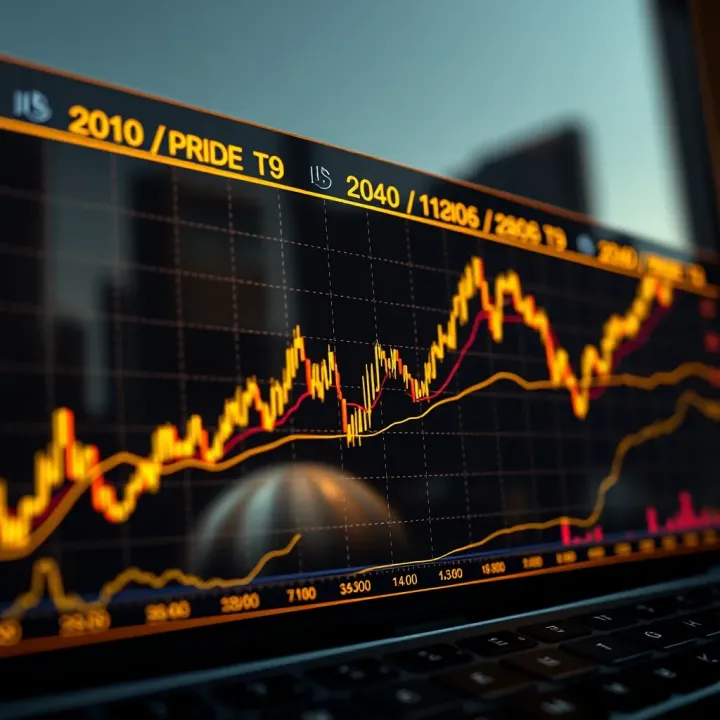
🔍 Explore gold price trends with our XAU/USD forecast. Understand economic cues, geopolitics & charts to trade gold confidently against the US dollar. 💰
Based on 6 reviews