
Binary Trading Guide for Nigerian Traders
Explore binary trade basics, benefits, and risks 📉📈 tailored for Nigerian traders. Get practical tips and smart strategies to boost your trading skills! 🇳🇬
Edited By
Charlotte Evans
Trade charts are essential for traders and investors who want to keep an eye on market trends and act wisely. Whether you are dealing with stocks on the Nigerian Exchange (NGX), commodities, or forex, understanding these charts can offer valuable insight into price movements.
Trade charts display historical data visually, showing prices over various time frames. This visual approach lets you spot trends, reversals, and key support or resistance levels without endlessly studying numbers. For instance, a trader monitoring MTN Nigeria’s stock price movement can quickly see if the share price is on an uptrend or facing resistance near ₦250 per share.
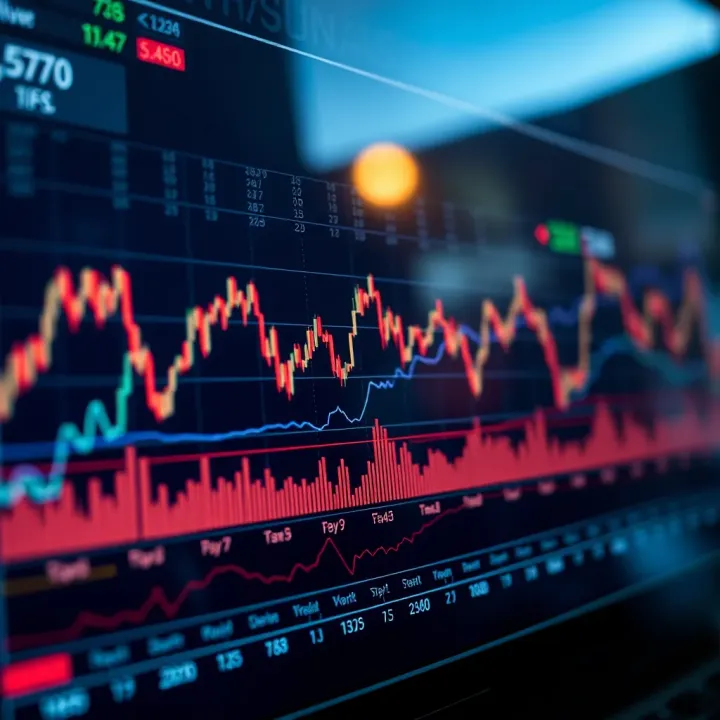
There are several types of trade charts, but the most common ones include:
Line charts: Simple and easy to read, plotting closing prices over time. Often used by beginners.
Bar charts: Show open, high, low, and close (OHLC) prices for each period, providing more detail.
Candlestick charts: Present the same OHLC data but with clearer patterns that traders use to predict future moves.
Understanding the elements of these charts is crucial. Each candlestick, for example, tells a story about market sentiment during that period — whether bulls or bears were in control. Chart components like volume bars also indicate how strong a price movement is. A price rise with high volume usually signals genuine buying interest.
Chart reading isn’t magic but skill. Regular practice and learning popular Nigerian trading platforms like OPay’s investment app or local brokers’ chart tools can make a big difference.
Keep in mind that reading trade charts involves more than just looking at prices. Traders frequently use technical indicators (like moving averages or RSI) on charts to confirm patterns or signal entry and exit points.
Later sections will explore practical charting techniques and software options familiar in the Nigerian market, helping you avoid common mistakes like chasing trends too late or ignoring volume signals.
Mastering trade charts equips you with a sharper lens to interpret market actions and make smarter trading decisions.
Trade charts are visual tools that show the price movements of assets like stocks, commodities, or currencies over time. They help traders and investors make sense of market behaviour by converting raw price data into patterns and trends that are easier to understand. Instead of sifting through endless numbers, looking at a chart gives you a quick snapshot of how an asset has performed, where it is headed, and potential turning points.
Understanding trade charts is like having a roadmap for trading. Without them, navigating market fluctuations is guesswork, especially in volatile environments like Nigeria’s stock or forex markets.
At their core, trade charts plot price against time. The vertical axis represents the price, while the horizontal axis reflects time intervals—this could be minutes, hours, days, or weeks. These charts provide a historical record that reveals both short-term and long-term price actions. Beyond just tracking prices, they highlight patterns such as uptrends, downtrends, consolidation phases, and breakouts.
The main purpose is to guide decision-making. For example, a trader might spot that a particular Nigerian bank’s stock consistently bounces back after touching a certain price level (support). Identifying such points can help decide when to buy or sell. These charts also assist in risk management by signalling when to place stop-loss orders to minimise losses.
In Nigeria, market conditions can be influenced by unique factors like naira fluctuations, government policies, or sector-specific news such as CBN interest rate adjustments. Trade charts help traders factor these influences quickly.
A forex trader dealing in USD/NGN might use candlestick charts to spot market sentiment before a Central Bank announcement. Equity investors watching companies listed on the Nigerian Exchange Group (NGX) can also apply chart analysis to time their trades better during guber election cycles when market volatility rises.
Using trade charts reduces reliance on guesswork amidst fluctuating naira values and is essential for traders using mobile apps like Etrade, Cowrywise, or MTN’s mobile money platforms. Even informal traders can benefit by recognising price trends for commodities or agricultural products in markets like Lekki or Balogun.
In sum, trade charts offer Nigerian traders an edge by helping to understand when to enter or exit trades, identify momentum shifts, and strategically manage risk. These skills are vital to navigating the complexities and uncertainties of local and global markets efficiently.
Trade charts come in different forms, each serving unique purposes for traders and investors. Understanding these types and knowing when to use them can significantly improve how you interpret market data and make decisions. Focusing on the three most popular charts—line, bar, and candlestick charts—helps you select the best tool based on your trading style and the information you need.
Line charts are the easiest to understand and widely used for capturing overall trends in market prices. They connect closing prices over a set period with a simple line, stripping away complex details about intraday movements. For example, a trader watching the Nigerian Stock Exchange (NGX) might use a line chart to see the general trajectory of stocks like Dangote Cement over several months. This makes it easier to spot consistent uptrends, downtrends, or sideways movements without getting distracted by daily price swings.
While line charts offer clarity, they lack detailed insights like price volatility or opening prices, so they’re best suited for beginners or investors interested primarily in long-term trend direction.
Bar charts provide more depth by showing open, high, low, and close (OHLC) prices for each period. This gives traders a richer picture of price activity, revealing the range within which a stock traded during the day or week. Nigerian traders can use bar charts to understand pricing behaviour amid market disruptions, such as during the ember months when volatility often spikes.

For instance, a bar chart displaying the price movements of Nigerian oil stocks around times of fuel subsidy reviews can highlight the pressure zones and investor sentiment more clearly than a line chart. This makes bar charts a better choice for those wanting to dig deeper into price actions and volatility patterns.
Candlestick charts combine the detail of bar charts with visual cues that make it easier to read market sentiment at a glance. Each candle shows the OHLC prices but uses colour coding to indicate whether the price moved up or down in that period. For example, a green candle typically shows a price increase, while red shows a fall.
Traders on platforms like OPay or Kuda in Nigeria often rely on candlestick charts to spot reversal patterns or confirm the strength of trends in currencies or equities. Patterns like 'doji', 'hammer', or 'engulfing' can signal upcoming market moves, helping traders take timely action.
Candlestick charts are especially useful for short-term traders and those active in fast-moving markets, offering clues that simple line or bar charts might miss.
Knowing when to use each chart style depends on your goals. Line charts simplify trend spotting, bar charts add granular price detail, and candlestick charts reveal market psychology. Combining these tools with your trading strategy can enhance your understanding and performance in Nigeria’s dynamic markets.
To trade effectively in any market, including Nigeria’s, you need to grasp the key parts of trade charts. These components give you the context behind price movements and help you make better decisions based on solid observation rather than guesswork.
Every trade chart displays price along the vertical axis and time along the horizontal axis. The price axis shows the range within which the asset’s value has fluctuated — from the lowest point to the highest — allowing you to track price changes over specific durations. The time axis breaks down the period you’re analysing, usually into minutes, hours, days, or longer. For example, if you’re watching the NGX All-Share Index movements over the last three months, the time axis helps plot the daily closing prices in sequence.
Understanding these axes is crucial because they anchor everything else you see on the chart. Without a firm grasp of where price and time intersect, interpreting trends or spotting key moments becomes guesswork.
Volume measures how many units of an asset changed hands during a specific time frame. It’s shown as bars at the bottom of most charts and speaks volumes (literally) about market strength. For instance, when a stock on the NGX records a price jump accompanied by high volume, it signals strong buyer interest, confirming the move. Conversely, a price rise with low volume might suggest weak enthusiasm, warning traders to stay cautious.
Volume indicators help avoid false signals. They filter out noise by showing whether price moves are backed by genuine participation. Traders in Nigeria using platforms like MTN’s Wealth Management app or GTBank’s trading desk often rely on volume to time their buy or sell decisions.
Support and resistance zones mark price levels where an asset tends to stop and reverse direction. Support is where demand is strong enough to prevent prices from falling further, like a floor beneath the price. Resistance acts like a ceiling, capping upward moves as sellers step in.
Identifying these zones on charts is vital. For example, if a Nigerian bank’s share hits ₦20 repeatedly but struggles to rise above, ₦20 forms a resistance zone. Traders might decide to sell near this price expecting a pullback or wait for a breakout before buying. Similarly, a support zone at ₦15 tells traders where they might place stop-loss orders.
Knowing these chart components — price and time axes, volume, support, and resistance — forms the backbone of effective trading analysis. They turn raw data into actionable insights tailored to Nigeria’s financial markets.
Grasp them well, and you position yourself to spot genuine opportunities and avoid common pitfalls, whether trading stocks on the NGX or commodities like oil futures impacted by local policies.
Trade charts can look tricky at first glance, but mastering the basics of reading and interpreting them unlocks a clearer understanding of market behaviour. These skills help traders and investors make informed decisions, spot opportunities early, and manage risk effectively. Whether you trade equities on the Nigerian Stock Exchange (NGX) or commodities via local brokers, knowing how to read charts is indispensable.
The foundation of technical analysis lies in recognising trends—which show the general direction of price movement over time—and reversals, where this trend changes. An uptrend in shares like Dangote Cement might reveal consistent higher highs and higher lows, signalling growing investor confidence. Conversely, a downtrend with lower highs and lower lows can warn of selling pressure. Spotting reversals early is valuable, as it offers a chance to enter or exit trades before major moves occur. For instance, if the NGX Index shifts from a steady rise to sideways movement followed by a drop, savvy traders prepare for a bearish phase.
Certain chart patterns recur frequently and can provide clues on what to expect next. Patterns such as the head and shoulders or double tops and bottoms often appear in Nigerian stocks like MTN Nigeria or Nigerian Breweries. The head and shoulders pattern, signalling a potential reversal, forms when a peak (head) sits between two smaller peaks (shoulders). Double tops, showing resistance at a price level, are essential for timing sell-offs. Recognising these patterns can guide you in setting stop-loss limits and price targets, which is vital considering the sometimes volatile nature of the Nigerian market influenced by political events or fuel subsidy adjustments.
Technical indicators complement chart reading by quantifying market trends and momentum. Tools such as the Relative Strength Index (RSI), Moving Averages (MA), and Moving Average Convergence Divergence (MACD) help confirm trend strength or signal possible reversals. For example, when the RSI for a share approaches above 70, it suggests the stock may be overbought and due for a price correction. Using a 50-day and 200-day moving average crossover can signal a shift in trend direction. In Nigeria, platforms like PlayTrade or investing via apps with built-in charting tools make applying these indicators straightforward, even for beginners.
Properly combining trend analysis, pattern recognition, and technical indicators boosts your chances of making sound trading decisions, reducing guesswork in Nigeria's often unpredictable markets.
Developing these basic techniques requires practice but will give you a solid edge as you navigate trading or investing. Remember, no single tool guarantees success, but together, they reveal a fuller picture of market movements.
Access to reliable tools and platforms for trade charts is a must-have for anyone serious about trading or investing in Nigeria. These platforms provide real-time data and technical analysis that help you navigate the often volatile Nigerian markets. By using the right charting tools, you cut through noise and spot opportunities or risks early, especially in markets such as the Nigerian Stock Exchange (NGX) or the forex market.
Several online platforms stand out for offering quality trade charting features suitable for Nigerian traders. For example, TradingView is widely used thanks to its user-friendly interface, detailed charting options, and a broad community of traders sharing ideas. It supports multiple markets, including equities, forex, and commodities relevant to Nigerians.
Locally, platforms like NGX Investor Portal provide access to Nigerian equities charting and market data, which is invaluable for those focusing on shares listed in Lagos. For mobile traders, apps from OPay or PalmPay integrate basic trade charts with payment services, making it convenient to track investments alongside managing finances.
Other notable apps include MetaTrader 4 and 5 (MT4/MT5), popular among forex traders in Nigeria. These apps offer powerful charting tools and technical indicators tailored to active traders needing instant analysis on their mobile devices.
Choosing the right charting platform depends on your trading style, market focus, and access to internet services. If you are a casual investor focusing on Nigerian stocks, the NGX Investor Portal or apps like PalmPay offer simple, no-frills chart access.
For active traders or those dabbling in multiple markets, platforms such as TradingView or MT5 provide advanced tools and customised indicators. However, they require a stable internet connection and some experience interpreting charts.
Security and cost are also crucial. Free platforms may work fine initially, but you might want to upgrade to paid versions for added features like real-time alerts, in-depth analytics, or historical data access. Look out for platforms with strong encryption and account protection to keep your investments safe.
Remember, no single platform suits everyone. Test several options to find the one that fits your trading style and gives you quick, trustworthy information when you need it.
Finally, consider local support and education resources. Platforms that offer tutorials, customer service in Nigeria, or integration with Nigerian payment methods will make your trading smoother, especially if you’re just starting out.
Accessing quality trade charts is just the first step. Knowing how to use those charts effectively makes a world of difference in boosting your trading success in Nigeria’s dynamic market.
Understanding common pitfalls in using trade charts can save you from costly errors and improve your trading performance significantly. Many traders, even experienced ones, fall into habits that cloud their judgement or lead to poor decision-making. By recognising these mistakes, you can sharpen your approach and better navigate Nigeria's dynamic markets.
Relying exclusively on a single chart type or technical indicator limits your view of market behaviour. For example, using only candlestick charts without confirming trends through volume indicators can give a misleading sense of price strength. Similarly, sticking solely to line charts might overlook important intraday price swings.
In Nigerian markets, where volatility can spike due to economic or political events, combining several chart types—like bar charts and candlesticks—alongside indicators such as moving averages or RSI (Relative Strength Index) offers more balanced insights. This broad view helps avoid false signals and reduces the chance of entering or exiting trades prematurely.
Charts tell the story of price movement, but they don’t explain why those movements happen. Ignoring fundamental factors—such as CBN policy shifts, fuel subsidy announcements, or upcoming election cycles—can lead to costly mistakes. For example, a sudden drop in oil prices might trigger sell-offs in related stocks, which the chart alone would not anticipate.
Seasonal trends also matter in Nigeria’s markets. The ember months often bring increased business activity and higher market liquidity, affecting volume patterns. If you overlook these realities, you might misread usual price fluctuations as trend reversals or breakout signals.
Misreading chart signals is a common trap, especially for new traders. A classic error is confusing random price spikes for sustainable trends or mistaking a temporary pullback for a reversal. This misinterpretation often leads to impulsive buying or selling.
Trading driven by emotion—fear of missing out or panic selling—can override sound analysis. For instance, a trader might dump shares after a minor dip during ember months without considering longer-term trends influenced by broad economic recovery.
To avoid this, keep a trading plan and stick to clear entry and exit rules based on reliable signals. Use stop-loss orders to manage potential losses and avoid decisions based on mood swings.
Avoiding these mistakes not only preserves your capital but also helps you harness trade charts more effectively for consistent, informed trading decisions in Nigeria’s fast-moving markets.
Explore binary trade basics, benefits, and risks 📉📈 tailored for Nigerian traders. Get practical tips and smart strategies to boost your trading skills! 🇳🇬

Explore how binary charts 📊 visualize data using binary numbers. Learn their role in computing 🖥️, electronics ⚡, and data analysis 🔍 with clear examples.

Discover how Nigerian users can safely buy, sell, or exchange mobile apps 📱. Learn key platforms, legal tips, and security practices to trade confidently.
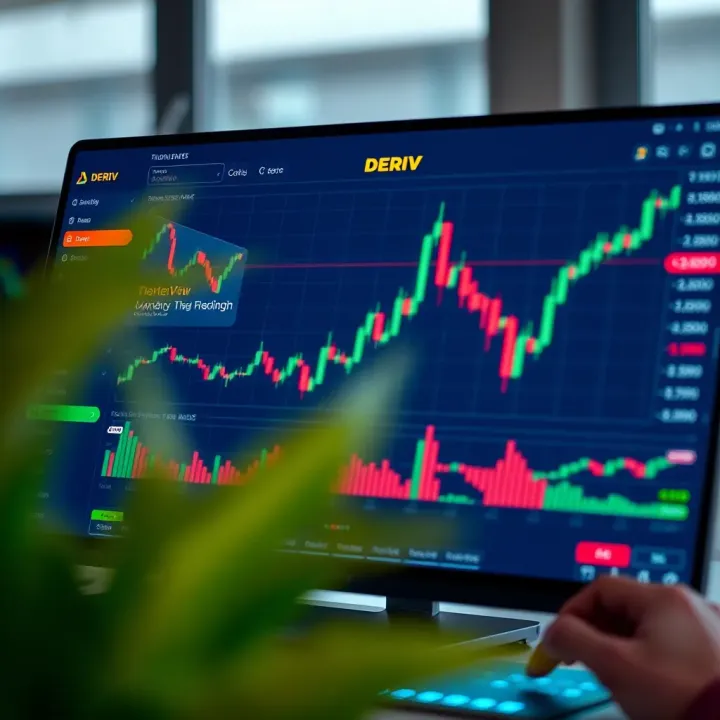
📈 Nigerian traders, learn how to set up and use TradingView on Deriv with handy charting tools and tips to make smarter market decisions easily.
Based on 5 reviews