
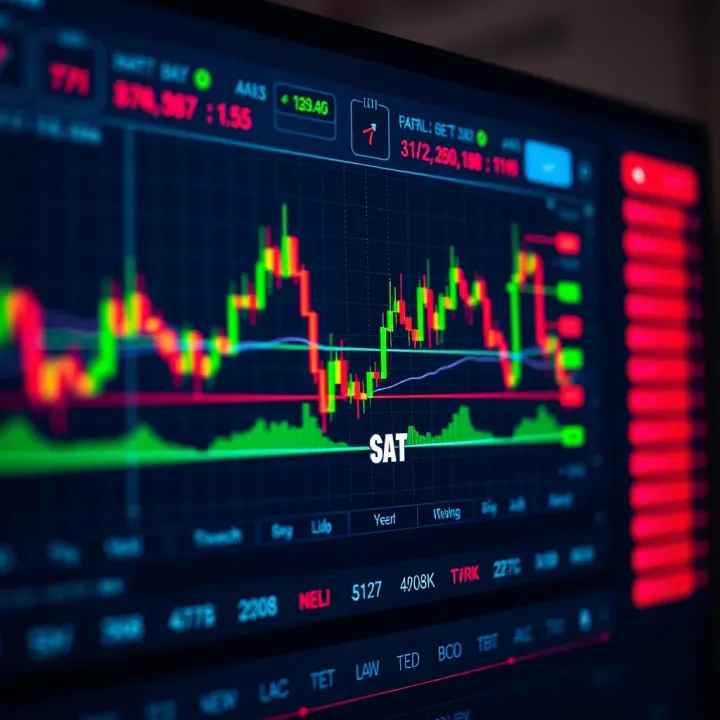
Using TradingView with Deriv for Smarter Trading
📊 Discover how TradingView and Deriv combine for smarter trading in Nigeria! Learn charting, strategies, and risk tips to boost your success today.
Edited By
Thomas Green
Trading markets can be tricky, especially when you don’t have the right tools to guide your decisions. For Nigerian traders, mixing the power of TradingView's detailed charting with Deriv's user-friendly trading platform could be the edge needed to improve trading results. But how exactly does one merge these two worlds for effective trading?
This article aims to shed light on that question by breaking down the essentials—what each platform offers, how to integrate them, and practical strategies tailored for traders in Nigeria. Whether you’re a beginner or have some experience, understanding this integration can help you craft smarter trades and manage risks better.

We’ll walk through the setup process, how to use TradingView's analysis tools on Deriv, and share tips on making the most of this combo in local trading conditions. By the end, you should feel confident in navigating both platforms to spot opportunities and protect your investments.
Combining charting precision with accessible trading execution is not just smart—it’s becoming essential for traders aiming to stay ahead in fast-moving markets.
Let’s dive right in and explore how to use TradingView with Deriv to step up your trading game.
TradingView stands out as a popular tool among traders, especially those in Nigeria who want a finer edge in analyzing markets. Getting a firm grip on what TradingView offers sets the stage for using it effectively alongside the Deriv platform. This overview sheds light on the features that make TradingView a go-to resource when tackling the ups and downs of financial markets.
TradingView's charting tools aren't just visuals; they're the heartbeat of analysis. The platform offers an array of chart types including candlestick, bar, and line charts, which can be zoomed and customized to drill down into price action at any time frame. For example, a trader looking to spot short-term movement might toggle between 5-minute and hourly charts seamlessly, helping them react swiftly to market changes. These tools empower traders to plot trend lines, channels, and draw patterns such as head and shoulders, adding depth to decision-making.
Indicators on TradingView cover the basics and the complex alike, from Moving Averages and Bollinger Bands to advanced oscillators like the MACD and RSI. These are not just lines on a chart but signals that help measure momentum, volatility, and market strength. Imagine a Nigerian trader watching crude oil prices—by applying the RSI, they can detect overbought or oversold conditions, signaling when a price reversal might be due. This breadth of indicators lets traders tailor their setups for their specific strategy.
One of TradingView’s lesser-known gems is its vibrant community sharing scripts and trade ideas. Users create and publish custom-built indicators and strategies, which others can tap into. This peer-driven innovation often leads to creative trading solutions that are not found on standard platforms. If you’re following a seasoned trader’s script that modifies Bollinger Bands for better entry points, you can test it on your charts, tweaking it for your approach.
With TradingView’s web-based platform and dedicated mobile apps, traders never miss a beat whether at home or on the move. This flexibility is crucial for Nigerian traders who might juggle different schedules. Check the market during a lunch break or adjust your trade before hitting the sack; the ease of access means analysis tools are always within reach. This continuous touchscreen access blends versatility with convenience.
TradingView’s straightforward layout reduces the learning curve, making it welcoming to newcomers without scaring off the pros. The drag-and-drop features and clearly labeled menus mean traders spend less time hunting for tools and more time analyzing. For example, a beginner in Lagos can quickly set up multiple charts with different timeframes side by side, spotting opportunities faster than ever before.
The availability of real-time data on local and international markets is a crucial factor that attracts Nigerian traders to TradingView. Whether trading forex, stocks, or commodities, having up-to-date prices ensures decisions aren't based on outdated info. A Lagos-based trader tracking the USD/NGN pair can rely on live quotes to avoid costly delays in reacting to exchange rate movements.
Watchlists on TradingView let users group and monitor favorite assets easily. Nigerian traders can create tailored lists featuring local indices like the Nigerian Stock Exchange All Share Index alongside global stocks or forex pairs. This customization means traders don’t waste time hunting for tickers and can instantly see which assets are flashing potential setups.
The social aspect lets traders follow others, comment on ideas, and share insights directly within TradingView. In Nigeria’s growing trading community, this interaction helps spread knowledge and strategies. Joining conversations around trending instruments or economic events provides fresh perspectives, often leading to better-informed trades.
Pro Tip: Don’t just passively read trading ideas—actively engage with the community. Ask questions and test shared scripts to improve your own setups.
Understanding these features provides Nigerian traders a solid footing. They can confidently approach Deriv equipped with refined analysis skills, ensuring their trading decisions are backed by comprehensive market insights and tools suited to everyday realities.
Understanding Deriv's platform is a key piece of the puzzle when integrating TradingView for smarter trading. Deriv isn't just another broker; it's a versatile trading platform that offers a range of tools suited for different trading styles, especially for emerging markets like Nigeria. Knowing what Deriv brings to the table helps Nigerian traders decide how best to combine it with TradingView's advanced charting tools.
Deriv’s interface allows traders to interact with a variety of markets straight from their browser or mobile device, which makes it quite accessible. More than that, it provides flexible contract types making it fit for both beginners and seasoned traders who want to experiment with different risk levels. The platform’s regulatory status and customer support tailored for Nigerians also add peace of mind when navigating volatile currency exchanges and regional payment systems.
Deriv offers a wide spectrum of tradeable instruments including forex pairs, cryptocurrencies, stock indices, and commodities like gold and oil. This diversity lets traders not put all eggs in one basket and switch markets based on where the action or the opportunity is hotter. For example, during major oil reports, commodities might spike, providing unique trading windows that aren't as evident in forex or indices.
Unlike many platforms that offer one-size-fits-all contracts, Deriv gives you options—like multipliers, which let you amplify your gains or losses, and CFDs that let you trade based on price movement without owning the asset. This flexibility matters because Nigerian traders can tailor their trades to fit their appetite for risk and market outlook, whether it's a quick scalp or longer play.
Deriv doesn’t just expect you to dive in blind. They provide demo accounts funded with virtual money where you can practice strategies without risking real cash. It’s especially handy when combining charts and signals from TradingView because you get to see how theory holds up in live market conditions without financial fallout.
While Deriv operates globally, understanding the regulatory environment in Nigeria is crucial. It's not fully licensed by local Nigerian financial authorities but operates under licenses in other jurisdictions. This status means traders should proceed with due diligence and keep abreast of changes in local trading laws or any guidance issued by the Securities and Exchange Commission Nigeria (SEC). That said, Deriv employs strict security and transparency measures that offer an added layer of trust.
One of the big hurdles for Nigerian traders is moving money in and out of trading accounts smoothly. Deriv supports several local payment methods including bank transfers through local banks, e-wallets like Paystack or Flutterwave integration, and popular mobile money platforms. This means no need for complicated dollar conversions or expensive international transfer fees, which makes managing deposits and withdrawals more straightforward.
Accessible customer support is vital, especially for newer traders who might need quick answers during volatile markets. Deriv provides customer service in English and operates with reasonable availability that matches Nigerian time zones. This helps traders avoid waiting hours for support and getting stuck during crucial trading moments.
Nigerian traders are often on the move and rely heavily on smartphones for financial activities. Deriv offers both a web platform and mobile apps that sync your trading activity seamlessly. Whether you're charting on TradingView on your laptop and executing trades on your phone during your morning commute, or vice versa, Deriv's dual platform approach ensures you’re not tied down to just one device.
For Nigerian traders, combining Deriv’s secure and flexible platform with TradingView’s superior charting can mean the difference between firing in the dark and trading with confidence.
All in all, knowing these key features and suitability factors ensures that you can make the most out of Deriv while leveraging TradingView’s strengths for effective trading in the Nigerian markets.
Using TradingView alongside Deriv offers a solid edge when it comes to trading. It’s like getting a high-powered binocular for spotting opportunities from afar while having a fast vehicle to act on those insights without delay. Traders gain a much clearer picture of market trends and price movements, which reduces guesswork and enhances confidence.
Pairing TradingView’s powerful charting tools with Deriv’s flexible trading options allows you to analyze markets deeply and execute trades quickly without switching between many platforms. This combination helps especially Nigerian traders who need both local convenience and access to global markets. Let’s dive into what makes this duo work so well.
TradingView stands out with its rich charting options that go way beyond the basics. You get detailed candlestick charts, multiple timeframes, and dozens of technical indicators all in one place. For example, you can overlay moving averages and Bollinger Bands to spot breakout points or add volume indicators to confirm trend strength.
This level of detail helps traders spot subtle market signals that can otherwise go unnoticed and plan trades with greater confidence. Instead of relying on raw numbers, you see visual cues that say whether a trend is gaining steam or about to fizzle out.
Once you’ve pinpointed an opportunity using TradingView’s charts, Deriv lets you jump straight into trading without missing a beat. Unlike setups where you analyze one platform and place orders on another with a delay, Deriv supports swift order placement following your TradingView analysis. This smooth handoff is essential when prices shift quickly.
For instance, if your TradingView indicator shows a strong buy sign in forex, you can immediately open the corresponding contract on Deriv, catching the optimal entry price. This direct linkage trims latency and slashes the risk of slipping prices between analysis and execution.
Timing can make or break a trade, especially with short-term contracts or binary options where fractions of a second count. Using TradingView to monitor live charts combined with Deriv’s quick execution improves your timing accuracy.
With alerts set up on TradingView, you get notified of price movements instantly. This means you’re not glued to the screen but still first to react—entering or exiting trades at the best possible moments keeps losses small and profits maximized.
Good timing isn’t just luck; it’s about having the right tools that keep you ahead of the market waves.
TradingView’s strength lies in its community-driven scripts and custom indicators. You won’t be stuck with only the default tools—traders can create or use indicators tuned to their preferred style or market nuances. Imagine having a personalized signal system that lights up only when your setup criteria are fully met.
For example, Nigerian traders focusing on forex can adopt custom scripts that track important economic events or regional market trends. These tailored signals help reduce noise, keeping you focused on trades that matter most.
Another practical perk is automated alerts. TradingView lets you set notifications for specific price levels or indicator triggers. Once set, it works quietly in the background and pings you when conditions align.
This means you don’t have to keep staring at charts all day. You get to do other things and still jump into trading the moment the market moves in your favor. This is especially useful in volatile markets where price swings happen fast and often.
In a nutshell, combining TradingView’s detailed, customizable analysis with Deriv’s easy execution and local accessibility gives Nigerian traders a serious advantage. It’s like having the eyes and hands to work smarter rather than harder in today’s demanding markets.
To get the most out of TradingView and Deriv, you need to link these platforms efficiently. This guide walks you through the important steps so you can analyze markets on TradingView and execute trades confidently on Deriv. Nigerian traders, in particular, benefit from this because combining the two tools helps spot opportunities and act quickly, reducing guesswork in trading.

Starting with TradingView means setting up an account. It's straightforward: visit TradingView's homepage, click 'Sign Up,' and provide an email address or use Google/Facebook for quicker registration. Make sure to verify your email to access all features. Having an account means you can save charts, apply indicators, and share ideas, which are essential for integrating with Deriv effectively.
TradingView offers several plans: Basic (free), Pro, Pro+, and Premium. The free plan gives you access to many charting tools but limits indicators and alerts. For active traders using Deriv, the Pro or Pro+ plans are usually worth it since they allow multiple indicators per chart, customized alerts, and more saved layouts. Think about your trading style; if you're serious about short-term trading and need real-time alerts, a subscription beyond free pays off.
Begin by matching the markets you want to trade on Deriv with those you track on TradingView. For example, if you plan to trade forex pairs like EUR/USD or commodities such as gold, open those charts on TradingView first. Then, navigate to the same markets on Deriv. This synchronization ensures you're looking at the same data and avoiding confusion when making trading decisions.
Use TradingView's advanced charting tools to study market trends, patterns, and indicators. For instance, apply moving averages or RSI to identify momentum shifts in currency pairs you follow. You can set up alerts on TradingView to notify you when prices hit certain levels — very handy for spotting breakout points without staring at your screen all day.
Pro Tip: Always cross-check the data timing on both platforms; sometimes slight delays in price feeds exist, but being alert helps close the gap.
Once your analysis on TradingView signals a potential trade, go to Deriv to place your position. For example, if TradingView shows a bullish crossover on a moving average for USD/NGN, you can open a buy contract on Deriv. Deriv's interface is user-friendly, making it simple to select contract type, stake amount, and expiry. The key is acting promptly on signals to capitalize on market moves before they fade.
Remember, TradingView is your analysis hub, while Deriv is where you execute trades — both complement each other when set up right.
This step-by-step approach will help you use TradingView and Deriv smoothly, improving your trading decisions and execution. The goal is to create a workflow that suits your style and minimizes errors or hesitation, especially crucial in the fast-moving markets Nigerian traders face daily.
Trading effectively requires more than just having the right tools—it demands strategies that fit your style and risk appetite. Using TradingView alongside Deriv opens up several avenues for crafting trading plans that respond to real market conditions. This section digs into how technical analysis indicators and Deriv’s contract options come together to create practical, actionable strategies suited for Nigerian traders.
Moving averages smooth out price data to help you spot trends without the noise of daily price swings. For example, a trader might look at the 50-day and 200-day moving averages; when the 50-day crosses above the 200-day, it may signal a bullish trend. On TradingView, you can easily set these up and watch for those crossovers. This method helps you enter trades at the start of a trend and exit before it fizzles out, making timing sharper on Deriv’s platform.
The Relative Strength Index (RSI) measures momentum by comparing recent gains and losses. When RSI goes above 70, it could mean an asset is overbought and might dip soon; below 30, it might be oversold and could bounce back. MACD, meanwhile, shows the relationship between two moving averages and can help confirm momentum shifts. Using them together on TradingView gives you a clearer picture of when to open or close trades. For instance, if RSI is overbought but MACD shows weakening momentum, it might be wise to avoid buying or consider shorting on Deriv.
Support and resistance levels are price points where markets tend to pause or reverse. On TradingView, you can easily draw these horizontal lines by connecting recent highs and lows. Suppose the price is approaching a known resistance level; that could be a signal to take profit or place a sell order on Deriv. Recognizing these levels helps you plan entries and exits to avoid getting caught in sudden reversals.
Deriv offers different contract durations, letting traders choose how long they want to hold positions. Short-term contracts suit those who want quick results based on immediate TradingView signals, like a sudden RSI dip on a 15-minute chart. Long-term contracts work better if your TradingView analysis points to a broader trend, such as moving averages signaling strength over weeks. Picking the right contract length helps you align market analysis with your trading goals, balancing risk and time commitment.
Binary options on Deriv let you bet on market direction within a fixed timeframe, which is perfect for traders who get clear entry signals from TradingView indicators. Multipliers, on the other hand, amplify gains (and losses) by allowing you to trade with leverage. For example, if TradingView shows a strong breakout pattern, you might choose a multiplier contract to maximize profit potential. But be cautious—these can increase risk sharply, so combine them with solid analysis and risk controls.
Every trade involves balancing risk with expected gains. TradingView aids this by highlighting where to place stop-loss and take-profit levels — often near support and resistance zones or derived from indicator signals. On Deriv, setting these limits ensures your potential loss is capped while leaving room for profit. For example, if you identify a support line that has held several times, place your stop just below it to protect your capital. By consistently evaluating risk vs reward, traders avoid the common pitfall of chasing trades that offer little upside relative to possible losses.
Successful trading revolves around combining good analysis with smart contract choices. Using TradingView’s indicators to inform when and what to trade on Deriv gives you a structured approach rather than relying on guesswork.
Mastering these strategies means you can respond quickly to market shifts and exploit Deriv’s flexible contracts confidently, especially in fast-moving markets common in Nigeria’s trading community.
Managing risks is a silent but powerful pillar of any trading plan, especially when you're mixing tools like TradingView and Deriv. It’s not just about making good trades; it’s also about protecting yourself from losing your shirt when things don’t go your way. Risk management helps you keep a clear head, limit losses, and stick to your plan instead of chasing losses impulsively.
With TradingView providing insightful market analysis and Deriv offering versatile trading options, it’s easy to get a bit carried away. Setting up proper safeguards such as stop loss and take profit limits, along with correct position sizing, ensures that you don’t end up on the wrong side of luck or market swings.
Stop loss and take profit limits act like seatbelts in trading—they don’t prevent bumps, but they sure can keep you from getting seriously hurt. A stop loss helps you cap the maximum loss you’re willing to absorb on a trade, while a take profit locks in your earnings once the price hits a target you’re happy with.
For example, if you’re trading CFDs on Deriv using signals from TradingView, deciding beforehand that you won’t lose more than 2% of your trading capital on a single trade can save you from emotional decision-making when the market twists suddenly. It forces discipline and removes guesswork.
Deriv's trading interface makes setting these limits pretty straightforward. When you place a trade, you can set a stop loss and take profit right there in the order parameters. For instance, if you buy a EUR/USD contract, you can specify the exact price points at which the platform should automatically close your position to cut losses or lock profits.
Make sure to double-check these settings before confirming your trade. It’s also smart to adjust your limits based on the volatility you spot on TradingView’s charts—tighter stops in choppy markets, looser in trending ones. This kind of flexible approach helps you avoid getting stopped out prematurely or giving back gains.
Basically, position sizing is figuring out how much of your money to put on the line for each trade. A common rule is to risk only 1-3% of your total capital on a single trade. So, if you have ₦100,000 in your Deriv account, risking 2% means you wouldn’t risk more than ₦2,000 per trade.
Here’s the math in simple terms: if your stop loss is set 50 pips away in Forex, and each pip costs ₦40, your total risk is ₦2,000. That tells you the maximum size your trade should have to respect that risk. Knowing this keeps you from blowing through your funds in a couple bad trades.
Before throwing real money in, give yourself some breathing room with Deriv’s demo accounts. Practice setting stop loss, take profit, and sizing positions until it feels second nature. Simulated trading lets you test strategies without that stomach-churning fear of losing real cash.
Even veteran traders sometimes use demo accounts to try new indicators or test market conditions spotted on TradingView without financial consequences. Getting this experience can save you a lot of headaches down the line.
Remember, trading isn’t about hitting home runs every time. It's about steady, controlled steps toward your goals. Proper risk management is what keeps you in the game long enough to win.
By being clear on your limits and sizing, and practicing on demos, you’re giving yourself a better shot at making TradingView and Deriv work together smoothly without nasty surprises.
Using TradingView alongside Deriv definitely boosts your trading edge, but it’s not always a walk in the park. This setup comes with its own set of challenges that traders need to navigate carefully. Getting familiar with common issues like delays, data differences, and platform-specific restrictions can save you from costly mistakes in fast-paced markets. Knowing how to tackle these problems improves your overall trading experience and helps you make informed decisions without frustration.
One of the most common headaches traders face when using TradingView together with Deriv is the lag between the two platforms. TradingView might display price ticks or candle updates slightly earlier or later than Deriv, mainly because they source their market data differently and refresh on different timeframes. For instance, you could spot a price breakout on TradingView, but by the time you place your trade on Deriv, the market has moved.
This mismatch happens because TradingView pulls data from various exchanges and financial feeds, while Deriv processes transactions and price feeds internally, sometimes with its own latency. It’s especially noticeable during volatile market hours when prices shift rapidly. Understanding these sync issues is vital so traders won’t blindly rely on TradingView signals alone, but use them responsibly when placing trades in Deriv.
To manage timing differences, keep these practices in mind:
Double-check live prices on Deriv before executing trades. Use TradingView primarily for analysis and strategy confirmation, not direct execution.
Watch out for high volatility periods, like major news releases or market opens, where delays tend to widen.
Set realistic alert filters on TradingView so you don’t get flooded with signals every time the price ticks.
Practice quick decision-making during demo trades to get used to possible timing gaps.
Staying alert to these differences can save Nigerian traders from snapping up trades too late or too early, preventing unnecessary losses.
Deriv’s trading platform, while user-friendly, has its limitations when it comes to technical indicators. It offers a modest selection compared to the rich library you find on TradingView, which boasts hundreds of community-built and custom scripts. These limitations mean you might miss out on certain patterns, custom oscillators, or complex indicator combinations that your TradingView charts easily display.
For example, say you want to combine Bollinger Bands, RSI, and an advanced volume profile indicator — you might find only the first two or even none on Deriv’s native tools. That restricts your ability to fully apply your technical strategy within Deriv itself.
Thankfully, TradingView steps in as a perfect companion for Deriv here. Many traders run their detailed chart studies on TradingView, then manually translate those insights when entering trades on Deriv. You can also use TradingView’s alert system to notify you about specific price actions or indicator triggers so you don’t have to stare at charts all day.
Another clever tactic is to customize TradingView layouts and save different workspaces tailored for Deriv’s asset classes. This way, switching between analysis and order execution feels smooth and less error-prone.
Some traders even use multiple screens or split-window setups: one side showing TradingView with advanced indicators, the other running Deriv for execution. This physical separation helps to keep track of complex analysis without overcrowding the order interface.
By recognizing Deriv’s limitations and using TradingView as your technical backbone, you keep your edge sharp and trades precise without getting bogged down.
In summary, dealing with sync issues and platform constraints is part and parcel of combining TradingView with Deriv. The trick is staying vigilant about data delays and smartly supplementing Deriv’s tools with TradingView’s rich features. This balanced approach helps Nigerian traders maximize their strategy potential without getting trapped by technical hurdles.
Traders in Nigeria diving into the combo of TradingView and Deriv can really gain an edge by paying attention to specific local factors that influence their trading experience. From picking the right trading hours to managing payment methods and connecting with like-minded folks, these tips help smooth out bumps and boost confidence. Understanding these nuances means you’re not just copying someone else’s strategy blindly but tailoring your approach to what actually fits the Nigerian market scene and your personal schedule.
Markets don’t sleep, but their busiest hours align with global market openings. For Nigerian traders, syncing your trades with these hours—like the London and New York stock market openings—can increase your chance of spotting good price moves and liquidity. For example, the London market opens around 8 a.m. GMT, which is 9 a.m. in Nigeria, making mornings a prime time to act on insights from TradingView charts and execute on Deriv.
If you’re trading forex pairs or indices heavily influenced by these markets, adjusting your trading session to these windows avoids trading in low volume periods where price moves might be erratic or not meaningful.
While global market hours matter, never forget Nigeria's time zone (WAT, UTC+1). This affects your sleep schedule and availability. Trading late into the night might hit global market openings but can lead to fatigue and poor decisions.
To balance this out, plan your trading hours realistically. If you’re more alert in the late morning, focus on the London session overlaps. If evenings work better, that might mean targeting events in the New York session starting around 2 p.m. Nigerian time.
Smart timing means you trade not only when the action’s hot but also when you’re sharp enough to make quick calls.
Deriv supports popular Nigerian payment methods like local bank transfers and e-wallets (e.g., Flutterwave and Paystack). Depositing funds through these channels is usually quick and avoids hefty international fees common with credit cards or wire transfers.
Withdrawals through these methods also save you from long waits. A neat example: many traders report getting withdrawals through local bank transfers within 24-48 hours, a huge plus for managing your cash flow.
Deriv’s withdrawal and deposit process often involves currency conversion since Nigerian Naira (NGN) isn’t standard on global platforms. Expect small conversion fees and fluctuating exchange rates, which can eat into your profits if ignored.
To minimize losses, try to keep your trading account in NGN if supported or convert funds when your local currency is strong against USD or EUR. Comparing rates from different payment providers can also save you a few bucks here and there.
Trading can feel like a solo journey, but local communities provide a reality check grounded in shared experience. Nigerian trading groups on platforms like Telegram or Facebook offer real-time tips relevant to local market quirks and Deriv platform nuances.
Seeing day-to-day examples from fellow traders helps you avoid rookie mistakes—like ignoring certain payment methods or misunderstanding market hours—and stay updated on regulatory changes.
When you actively share your TradingView chart setups or Deriv strategies, you get feedback that sharpens your edge. These communities are less about outright telling you what to do and more about exchanging insights.
For instance, if you spot a pattern on TradingView, posting it in a Nigerian trader group might open up discussions on how best to approach it with Deriv’s contract options. This back-and-forth is pure gold for improving over time.
Being part of a local group turns trading from a guessing game into a collaborative effort, pushing you toward smarter, better-informed trades.
Using these tips will help Nigerian traders not only work better with TradingView and Deriv but also navigate real-world challenges that impact their profits and stress levels alike.
When you're trading with tools like TradingView and Deriv, it’s smart to have a backup or two, or even additional platforms that can fill in gaps or offer different perspectives. Using alternative charting software or broker platforms can offer new insights, extra features, or even better suits your specific trading style. This section will explore some popular alternatives Nigerian traders might find useful, helping you expand your toolkit without overcomplicating things.
MetaTrader 4 and MetaTrader 5 are staples in the trading world and known for their rich functionality. Unlike TradingView, which is mainly web-based, MetaTrader runs on desktop and mobile and offers detailed technical analysis tools, automated trading through Expert Advisors (EAs), and a strong user community for custom indicators. Many brokers supporting Deriv-like features also operate on MetaTrader, so it can be a nice companion. For Nigerian traders, MetaTrader lets you backtest strategies using historical data easily and practice on demo accounts. If you’re aiming to use bots or automated trading, MetaTrader could come in handy beyond what TradingView offers.
Thinkorswim by TD Ameritrade and NinjaTrader are excellent options for those looking for high-level data visualization and advanced trade execution tools. Thinkorswim is known for its professional-grade charts and a wide selection of technical indicators, great for active traders who like diving deep into stocks, options, and futures. Though TD Ameritrade isn't based in Nigeria, savvy traders sometimes access it via VPNs for its powerful tools.
NinjaTrader offers strong customization and is geared towards futures and forex traders who want to put algorithms into play. It offers advanced order types and market analysis that can actually complement the setup with Deriv and TradingView. While not as beginner-friendly, it can be a powerful addition for someone looking to up their game with more automation and precise control.
IQ Option has become popular due to its easy-to-use interface and wide array of options including forex, stocks, and crypto. It’s similar to Deriv in the sense that it offers binary options and digital options, which makes it attractive for beginners who want to try smaller, less complex trades. Nigerian traders appreciate its low minimum deposit and accessible mobile app. IQ Option also allows integration with external charting tools to some extent but mostly emphasizes simplicity and streamlined execution.
Binomo is frequently chosen for its straightforward approach and lower barrier to entry. It supports quick trades and has competitions that appeal to active Nigerian traders looking for that competitive edge. Although it doesn’t have as many advanced features as Deriv or TradingView, its simplicity is useful for those just getting their feet wet or focusing on short-term binary options strategies. Plus, its deposit and withdrawal methods are tailored for Nigerian users, making fund management hassle-free.
Using homegrown Nigerian trading platforms can sometimes offer better local customer service and payment options tuned for the local economy. Platforms like PayPorte or Roofstock Nigeria, while not as internationally known as Deriv or IQ Option, can harness local payment gateways and sometimes provide more straightforward ways to fund your trading account without the need for currency conversions or international banking complications.
Working with both international platforms like Deriv and local platforms provides you flexibility and the ability to switch based on market conditions or payment convenience.
Exploring these alternatives isn’t just about having options but about finding what fits your trading style, your budget, and how you want to interact with the market. Combining the analytical benefits of TradingView with the practical trading options from Deriv, plus a few alternate tools and brokers in your arsenal, can help smooth out bumps and lead to better-informed trades.
Looking beyond just one platform means you won’t be caught flat-footed if one service has downtime or doesn’t cover a particular asset you're interested in. Always remember to try out new platforms via demo accounts before going live, especially when venturing into automated tools or lesser-known local brokers. This way, you can get a feel for how they mesh with your existing setup and trading style without risking your capital upfront.
When it comes to using TradingView alongside Deriv, traders often have a laundry list of questions before diving in. This section clears the fog around the most common concerns, making sure you’re equipped with practical answers that help you trade smarter. Understanding how these platforms work together—and the potential pitfalls—can save you time, money, and a whole lot of frustration.
Straight up: TradingView offers incredible charting and analysis tools, but it’s primarily a research platform. For Nigerian traders using Deriv, that means you can’t execute trades directly on TradingView. Instead, you use TradingView to analyze markets, identify setups, and then switch over to Deriv’s platform to place your trades.
This split setup may feel like a slight hassle, but it’s actually common among traders who want the best of both worlds—powerful charting from TradingView combined with the flexible trading contracts offered by Deriv. Picture it like using a high-end GPS for directions but still needing to switch on your car’s ignition separately.
TradingView does have a free tier, but it comes with limits like fewer indicators and restricted alerts. Many traders find upgrading to the Pro or Pro+ plans worth the cost because they gain access to advanced charting features and multiple watchlists, which can improve decision timing. Deriv’s platform itself is free to use for account setup and demo trading.
For Nigerian users, the costs mostly come from paying for TradingView premium features—not Deriv. Paying for the right TradingView plan lets you seamlessly monitor multiple assets and set up custom alerts, which is a huge help when juggling trades on Deriv. So, while the combo isn't completely free, the benefits often outweigh the subscription costs.
Trading using TradingView charts with Deriv’s platform does carry a few risks, and it's smart to be aware of them before committing real money. First off, there’s a time lag since you’re switching between platforms—meaning market conditions can shift in the brief moments you take to place an order on Deriv after spotting a signal on TradingView.
Another risk is over-reliance on technical indicators without considering broader market events. Sometimes, a chart might look perfect, but a sudden news release can send prices whirling in unexpected directions.
Also, Nigerian traders should consider local factors like internet reliability and payment processing delays on Deriv, which can impact how quickly you can deposit funds or exit positions.
Always practice using Deriv’s demo account while getting familiar with your TradingView setups. Manage risk by setting tight stop-loss orders and don’t over-leverage your positions.
By understanding these nuances and taking a cautious approach, you can reduce risks and navigate trading with more confidence.
Wrapping everything up, integrating TradingView's powerful charting with Deriv's flexible trading platform offers Nigerian traders a solid edge in the market. Combining these tools provides better insight through advanced technical analysis, enabling smarter trade decisions. While TradingView brings a wide range of indicators and customizable charts, Deriv complements it with an accessible trading environment and variety of instruments.
Think of it as having a reliable map (TradingView) and a well-tuned vehicle (Deriv) when navigating the fast-paced trading roads. This combination helps reduce guesswork, letting traders catch trends earlier and manage their trades with more precision.
Practical benefits include:
Access to real-time data and community-driven trading ideas via TradingView
Quick execution of trades using Deriv’s platform features like multipliers and binary options
Risk management tools such as stop loss and take profit directly applied on Deriv
By focusing on these elements, traders can avoid common pitfalls and fine-tune their strategies effectively. Remember to keep practicing on demo accounts before committing real funds, and stay updated with Nigerian trading communities to learn from peers.
TradingView significantly sharpens your technical analysis skills thanks to its extensive charting toolkit and custom indicators.
Deriv offers diverse trading instruments and flexible contracts that adapt well to different risk appetites.
Using both platforms in tandem allows for timely trade execution based on well-analyzed signals, improving chances for profits.
Strong risk management with stop loss and position sizing is vital to protect any trading capital.
Staying engaged with local trading forums and choosing payment methods that suit Nigerian traders enhances the overall experience.
Create your TradingView account to explore charts and indicators. You can start free and upgrade if you need more features.
Open a Deriv account and familiarize yourself with their available contracts, payment options suited for Nigeria, and their customer support.
Practice with demo accounts on Deriv to get comfortable with placing trades without risking real money.
Link TradingView analysis to your Deriv trades by watching signals, setting alerts, and then executing trades on Deriv’s platform.
Join Nigerian trader groups online to exchange ideas and stay aware of market nuances specific to your locale.
Getting started is really just about combining good analysis tools with a reliable broker, and then practicing smart risk control. No rocket science, just steady learning and careful steps.
Start small, stay consistent, and build confidence with your trades. With time, the TradingView and Deriv combo could become your go-to setup for trading success in Nigeria.
📊 Discover how TradingView and Deriv combine for smarter trading in Nigeria! Learn charting, strategies, and risk tips to boost your success today.

📊 Learn how to combine TradingView’s charts with Deriv for smarter trades! Step-by-step setup, key features, and tips to boost your trading game on Deriv.

📈 Nigerian traders, learn how to set up and use TradingView on Deriv with handy charting tools and tips to make smarter market decisions easily.

Explore Deriv.com for Nigerian traders 🇳🇬! Get insights on features, account types, trades, security, deposits & withdrawals for smart trading 💼📈.
Based on 7 reviews