
Understanding Binary.com for Nigerian Traders
📊 Explore Binary.com: Learn key features, benefits, and risks of binary options trading designed for Nigerian traders. Get practical tips for smart decisions! 🇳🇬
Edited By
Liam Walker
With growing interest in cryptocurrencies among Nigerian traders and investors, knowing how to convert digital assets from exchanges like Bybit into usable cash is key. Bybit, a popular crypto trading platform, does not support direct withdrawals to Nigerian bank accounts. So, the process involves a few extra steps but remains straightforward.
Before you can access your funds in naira, you must first understand how to move your crypto from Bybit to a local exchange or use peer-to-peer (P2P) platforms that support Nigerian banks. This includes verifying your KYC details on Bybit, transferring your crypto to a trusted wallet or exchange, and then selling them for naira.
Ensure your Bybit account is fully verified to avoid delays.
Choose withdrawal methods that minimise fees and risk.
Account for varying naira exchange rates which impact the value of your withdrawal.
Nigeria's banking regulations and intermittent power and internet challenges make clear steps and caution necessary to pull off smooth withdrawals. You'll often convert Bitcoin (BTC), USDT (Tether), or Ethereum (ETH) into naira through platforms like Binance P2P, Quidax, or BuyCoins, before finally transferring money to your Nigerian bank account.
Timing matters. Withdrawals can take from a few minutes to several hours depending on network activity, platform liquidity, and bank processing times in Nigeria.
By the end of this guide, you'll be able to navigate withdrawal options effectively, avoid common pitfalls like double spending or scams, and keep your funds secure throughout the transfer. This knowledge is essential not just for casual investors but for finance analysts who need precise cashflow management and risk control.
Understanding these processes helps you stay in control of your crypto earnings, especially amid naira volatility, inflation trends, and evolving fintech regulations in Nigeria.
Setting up your Bybit account properly is the first step to smoothly withdraw funds into your Nigerian bank account. Without completing all necessary steps, you may run into delays, failed transactions, or even security risks. This setup ensures your identity and payment details are correctly registered, allowing seamless transfers from crypto to naira.
Bybit, like other reputable exchanges, requires Know Your Customer (KYC) verification to comply with global regulations and enhance security. This process involves submitting valid identification documents such as your Nigerian National Identity Number (NIN), international passport, or driver's licence.
Completing KYC not only enables withdrawal limits to increase but also helps prevent fraud and unauthorized access. For example, if you want to withdraw more than ₦500,000 at a single time, your account must be fully verified. Without this, withdrawal requests may be rejected or capped at lower amounts. KYC also protects your account during the frequent naira exchange rate swings, ensuring that your funds are safely handled.
The verification process usually takes a few hours but can extend to one or two working days during busy periods like ember months. To speed up approval, make sure your uploaded documents are clear and current. Avoid using scanned copies that are blurry or outdated.
After account verification, adding a Nigerian bank account is critical for transferring funds. Bybit supports direct bank linkages to destination accounts from major Nigerian banks such as GTBank, Access Bank, Zenith Bank, and First Bank. This direct link helps avoid repeated entry errors and reduces withdrawal delays.
When linking, ensure the bank account name exactly matches the name you used in your KYC profile. Mismatched details often cause withdrawals to be declined by banks or require additional manual checks. For instance, if your KYC name is "Adeola Adebayo" but your bank account shows "Adeola Abayo" due to a typo, the transaction may stall.
The benefit of linking your bank account directly is the faster turnaround—funds typically reflect within 24 hours after withdrawal confirmation from Bybit, compared to longer waits using third-party wallets or intermediaries.
Tip: Double-check the bank account details such as account number, branch, and SWIFT code (if applicable) before submitting them on Bybit to avoid setbacks.
Setting up your Bybit account with verified identity and linked bank information saves time and minimizes errors, especially given Nigeria's occasional power outages and internet instability which can disrupt repeated submission attempts. Once setup is done, you stand ready to withdraw your crypto earnings directly to your naira account without hassle.
Understanding the various methods of withdrawing funds from Bybit to your Nigerian bank account is essential. These methods not only affect how quickly you receive your money but also influence the fees you pay and the level of convenience you enjoy. For traders and investors in Nigeria, choosing the right withdrawal method can save costs and reduce unnecessary delays, especially given the volatility of the naira and the quirks of local banking.
Bybit offers some direct fiat withdrawal options, though these may depend on your verification level and banking details. This method involves converting your cryptocurrency into fiat currency within the Bybit platform and then transferring it straight to your linked Nigerian bank account. For example, if you hold Bitcoin or USDT on Bybit, you can often select "withdraw to bank" and enter your bank details to receive naira directly. This option is straightforward and avoids the need for third-party platforms.
However, direct fiat withdrawal usually incurs extra fees, either from Bybit or intermediary financial services. Additionally, processing times might extend to a few business days because of the Nigerian banking system’s inefficiencies and verification steps. Not all banks also support seamless inbound international or crypto-related transfers, so confirming your bank's policies beforehand helps avoid surprises.
If your Bybit account mainly holds cryptocurrencies, you’ll first need to convert them into Nigerian Naira (NGN). While Bybit allows trading crypto pairs, it doesn’t always offer direct NGN trading pairs. Therefore, you may need to convert your crypto into a stablecoin like USDT or USDC first, which is widely accepted.
After you hold stablecoins, the next practical step is to swap them into NGN through local platforms or peer-to-peer (P2P) networks. This conversion is crucial because local buyers usually prefer dealing in naira due to day-to-day business realities and banking limitations.
P2P selling involves directly trading your crypto assets with buyers who pay you in naira through bank transfers. Platforms like Binance P2P or Remitano facilitate this. The process typically includes:
Listing your crypto for sale at a competitive price.
Choosing buyers who have good trade history and ratings.
Confirming the receipt of naira into your bank account once the buyer transfers funds.
Releasing the crypto assets to the buyer only after payment confirmation.
P2P provides flexibility and usually better exchange rates compared to direct fiat withdrawals. However, it requires diligence and patience to avoid scams or delayed payments.
Selecting trustworthy local buyers is vital to avoid losses or delays. Look for buyers with many successful trades and positive reviews on the P2P platform. Avoid deals that push for off-platform payments or use unusual terms.
Also, consider buyers active in Nigerian financial circles and those using established banks like GTBank, Access Bank, or Zenith Bank to ensure prompt fund transfers. Engaging community forums or social media groups focused on Nigerian cryptocurrency trading can help verify buyer reputations before you commit.
Always prioritise secured channels and verified counterparts when dealing with P2P selling to protect your funds.
In summary, knowing these withdrawal methods empowers you to choose what suits your timing and financial priorities best. Whether opting for quicker but potentially costlier direct fiat withdrawals or more flexible P2P trading, informed decisions are your shield against unexpected headaches dealing in Nigeria's complex financial landscape.
Navigating the withdrawal process on Bybit can feel tricky, especially when you're dealing with Nigerian banks and the frequent naira fluctuations. This guide breaks down the exact steps so you can move your funds safely from Bybit to your bank account without headaches. It’s about clarity and speed — understanding where to click, what info to enter, and how to avoid common pitfalls.
To start, log in to your Bybit account and head to the "Assets" or "Wallet" section where your cryptocurrencies and balances are displayed. Select the crypto you want to withdraw. Although the goal is to get naira into your bank, the first step often involves withdrawing crypto because direct fiat withdrawals to Nigerian banks aren’t always supported or can have high fees.
Next, choose the withdrawal option, then enter the amount you want to move. Pay attention to minimum withdrawal limits to avoid failed transactions. For instance, if you’re withdrawing Bitcoin (BTC), and the minimum withdrawal is 0.001 BTC, anything less might be rejected.
When prompted, input your withdrawal wallet address. If you’re converting your crypto to naira through a peer-to-peer platform or local exchange, this address will usually be their wallet. Double-check this address carefully; a wrong address can mean losing your funds.
Before hitting “Submit” or “Confirm,” review the details one last time. Errors here can cause long delays or losses. Always ensure your account has undergone necessary verification to lift withdrawal limits, which can ease this step.
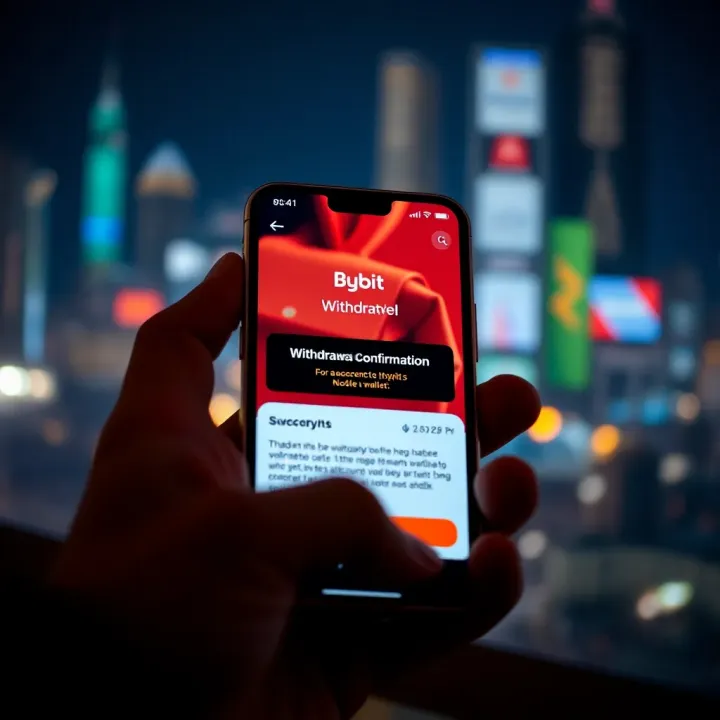
Once the withdrawal request is submitted, Bybit carries out security verifications to protect your funds. This often involves a two-factor authentication (2FA) code sent to your phone or email. Enter it promptly to avoid transaction timeouts.
In some cases, the platform may request additional confirmation for larger amounts or if it notices unusual activity. It might pause the withdrawal pending manual review, which you can expedite by promptly submitting any requested documents.
Keep in mind, Bybit’s security checks are vital amid reports of scammers exploiting crypto withdrawals in Nigeria. These steps help prevent unauthorised access and safeguard your naira equivalence.
After approval, the transaction is processed on the blockchain if crypto is withdrawn directly, or routed through fiat channels if available. Blockchain transactions could take anywhere from a few minutes to over an hour, depending on network congestion.
Always keep a record of transaction IDs and confirmations. They’ll help you track the status and provide proof if disputes arise.
Following these steps carefully will help you avoid frustration and delays. Withdrawals on Bybit to a Nigerian bank can be smooth when you respect protocol and stay alert during each phase of the process.
Knowing how much it costs and how long it takes to withdraw your funds from Bybit to your Nigerian bank account can save you stress and unexpected expenses. Traders and investors should plan withdrawals with these details in mind — especially in Nigeria, where exchange rates shift quickly and banking delays are common.
Withdrawal fees differ based on the method used. When you withdraw fiat currency directly to your bank account, Bybit normally charges a flat fee or a percentage depending on the amount. For instance, a typical fee might be around ₦500 to ₦1,000 for withdrawals under ₦50,000. Larger sums could carry higher charges, so sizeable transfers merit checking the current fee schedule on the platform.
If you opt for crypto withdrawals instead, transaction fees vary greatly depending on the blockchain, network congestion, and token type. Bitcoin withdrawals can be costly due to higher blockchain fees, sometimes hitting ₦10,000 or more per transfer. On the other hand, withdrawing stablecoins like USDT on the Tron (TRC20) network usually costs much less — around ₦200 to ₦500 — making it a smarter choice for frequent traders converting crypto to Naira via P2P platforms.
It pays to factor these charges into your trade exit plan, especially if you move funds regularly. These fees can chip away at your profits if ignored.
Withdrawal speed also matters for liquidity and reinvestment. Bybit processes crypto and fiat withdrawals differently, causing varying timelines to receive funds in Nigerian banks.
For direct bank transfers, funds usually take between 1 to 3 business days to reflect in your account. This time frame can stretch longer during ember months or public holidays when banks handle larger transaction volumes and reduced working days.
In contrast, P2P crypto sales offer near-instant bank payments once the buyer confirms the trade. This method bypasses slow bank clearance and is a favourite among Nigerian traders wanting to access their money faster.
Security checks on Bybit may add some delay, especially for first-time or larger withdrawals. The platform may require identity verification before releasing your funds to meet anti-money laundering regulations.
Plan withdrawals around Nigerian banking hours and business days. Always check current fees and processing times on Bybit before initiating, as these can vary unexpectedly.
Understanding these fees and processing times helps you avoid surprises and choose the best withdrawal path for your trading strategy. It also prepares you for potential delays, so your business or investment decisions remain sharp and timely.
Navigating withdrawals from Bybit to your Nigerian bank account can be tricky if you’re unaware of some typical hurdles. Understanding common challenges ensures you avoid unnecessary delays or losses. This section highlights main issues traders face, along with practical ways to tackle them. That way, you keep your funds safe and maintain a smooth withdrawal process.
Naira's exchange rate variability often hits traders hard when converting cryptocurrency to local currency. For instance, you might initiate a withdrawal when the rate is favourable only to find it dropped sharply by the time funds clear your bank account. To reduce this risk, monitor the forex market closely. Many Nigerians track the Central Bank of Nigeria (CBN) official rate alongside parallel market rates to spot trends.
One practical step is to time your withdrawal during periods of relative naira stability, often seen outside of ember months or political tension peaks. Another option is to use Bybit’s P2P trading feature, where you can negotiate rates directly with buyers, sometimes securing better deals than through automated conversions. Always compare rates before confirming transactions and consider moving funds in smaller chunks instead of all at once to spread risk.
Slow transaction processing and verification hurdles cause frequent frustration among Nigerian users. Withdrawal delays can occur due to bank network outages, especially in remote areas, or Bybit’s own security checks. Verification issues may arise if your KYC (Know Your Customer) details are incomplete or mismatched.
To avoid such delays, ensure your Bybit profile is fully verified before initiating withdrawals. Double-check that your bank account name exactly matches your registered name on Bybit to prevent rejection. Also, be aware that transaction timings depend on the banks involved; some local banks process transfers faster than others. For urgent withdrawals, notify your bank beforehand and make use of USSD banking codes or mobile apps like GTBank’s for swift confirmation.
When moving money from crypto exchanges to bank accounts, security deserves top priority. Phishing scams, fake withdrawal confirmation messages, and malware attacks pose real threats. Always authenticate withdrawal requests through Bybit’s official app or website and avoid clicking suspicious links in emails or messages.
Use two-factor authentication (2FA) to add an extra layer of protection to your account. Avoid public Wi-Fi networks when making withdrawals and keep your device’s security software up to date. Also, beware of sharing sensitive info such as your Bank Verification Number (BVN) or wallet keys. Lastly, check your transaction history regularly to spot any unauthorised activity early.
Staying alert to these challenges and acting proactively not only saves you time and money but also builds confidence in handling crypto withdrawals from platforms like Bybit to Nigerian banks.
By keeping these challenges and solutions in mind, Nigerian crypto traders can enjoy hassle-free transfers, better financial planning, and enhanced security when withdrawing funds to their bank accounts.
📊 Explore Binary.com: Learn key features, benefits, and risks of binary options trading designed for Nigerian traders. Get practical tips for smart decisions! 🇳🇬

Explore Vantage Markets for Nigerian traders 🇳🇬: key features, account types, trading conditions, regulation, and learning tools to trade confidently 📈💡.

🔐 Learn how to easily access your Deriv.com account with step-by-step login, registration, password help, plus smart tips for safe, smooth trading! 💼📈

🤖 Explore how binary bots work in trading! Get safe tips, tech insights & learn pros and cons to boost your Nigerian trading strategy effectively.
Based on 8 reviews