

Understanding Trading Platforms for Nigerian Investors
📈 Discover how trading platforms work and find out which suits Nigerian investors best. Learn about fees, security, types, and regulation to trade confidently in ₦.
Edited By
Liam Campbell
Copy trading platforms have become a practical tool for many Nigerian investors who want to engage with financial markets but lack the time or expertise to trade actively. These platforms allow users to automatically copy trades made by more experienced investors, helping novices benefit from skills they might not possess yet.
In Nigeria, where fluctuating naira exchange rates and power supply challenges often discourage active trading, copy trading offers a more accessible entry point. Instead of monitoring charts and indicators daily, investors can choose trusted traders to mirror, potentially growing their portfolios passively.

At its core, copy trading works by linking your trading account to that of a selected expert trader. Whenever the expert buys or sells stocks, forex, or cryptocurrencies, your account replicates those moves in real-time, proportionate to the amount you allocate. This method cuts through complex analysis and technical know-how that often intimidate beginners.
However, Nigerian investors should consider several factors before diving in. Not every platform is suited to local needs; some may have limited payment options or inadequate support during Nigeria’s frequent internet hiccups. Regulatory oversight is another concern. While global platforms like eToro and ZuluTrade are well-known, local platforms such as Trove and Risevest also provide copy trading features, tailored with Nigerians in mind.
In this article, we’ll explore how copy trading platforms operate, their advantages and disadvantages for Nigerian investors, and key regulatory points to keep in mind. By the end, you’ll be equipped to make informed decisions, balancing convenience with caution as you grow your investment portfolio.
What copy trading means for you in practical terms
Platforms accessible to Nigerians and their unique features
Ways to assess trader performance effectively
This guide aims to demystify copy trading and help you leverage it as part of a smart investment approach in Nigeria’s dynamic financial environment.
Copy trading platforms are becoming increasingly relevant for Nigerian investors who want a more hands-off approach to accessing financial markets. These platforms connect less experienced traders to expert investors, allowing the former to automatically replicate the trades of the latter. This method bypasses the need to spend hours analysing charts or studying market news, which appeals especially in a fast-paced environment like Lagos or Abuja where time is scarce.
For Nigerian investors, particularly those balancing side hustles and uncertain income streams, copy trading offers practical benefits, such as lowering the barrier to entry and enabling portfolio growth without deep trading skills. However, understanding the core mechanics and operational aspects of copy trading is essential before committing funds, given the risks involved.
At its simplest, copy trading means you link your trading account to that of a more experienced trader. When this expert executes a trade—whether buying shares, forex, or commodities—your account replicates the same action automatically. For example, if a Nigerian investor connects to a trader focusing on the NSE or NGX Exchange, their account mimics those trades proportionally. This automation removes the need for you to manually place trades and keeps your portfolio aligned with someone considered more knowledgeable.
The mechanics rely on a platform that acts as the intermediary, ensuring trades are copied in near real-time. Notably, you can often decide how much of your capital to allocate per copied trader, offering flexibility to manage risk.
Though they sound similar, copy trading and mirror trading are not identical. Copy trading involves replicating specific trades from one trader to many followers, where each follower's positions are independent but triggered by the lead trader's action. In contrast, mirror trading automates entire trading strategies without the follower selecting individual traders.
Practically, copy trading allows more discretion; you choose whom to follow based on their past performance, risk style, or trading focus. Mirror trading typically applies predefined algorithms or expert system strategies to your account automatically, which might feel less personalised. For Nigerian retail investors, copy trading offers a more transparent and trader-centric option.
To begin copy trading, you link your brokerage or trading account on a supported platform with that of the trader you wish to follow. This link allows automatic execution of trades from the expert’s account to yours without manual intervention. Most platforms support this linkage securely, ensuring your funds remain yours while controlling order replication.
Automation is the engine here; once set up, you don’t need to monitor every trade constantly. This suits investors who may have day jobs or other responsibilities, yet still want exposure to the markets. For example, a Lagos-based investor might use an app on their phone to link accounts and set trade sizes, then allow the system to handle execution.
Signal providers or expert traders are central to copy trading platforms. They generate trading signals based on their market analysis, experience, and strategy. Nigerian investors rely on these experts to guide their trades, so vetting the traders' historical performance and risk profiles on the platform is crucial.
Some platforms offer detailed stats on these experts, including their success rates, drawdowns, and types of assets traded. For instance, a trader specialising in African agricultural commodity futures or tech stocks might appeal differently depending on a follower’s interests and risk appetite.
Choosing the right expert trader on a platform is as vital as picking the right okada rider for a fast trip through Lagos traffic—it's about trust, experience, and reliability.
In sum, copy trading platforms offer a practical gateway for Nigerian investors to participate confidently in markets, but with remaining aware of the underlying mechanics and operational nuances.

Copy trading platforms present a practical way for Nigerian investors to engage with the markets without needing deep technical know-how or constant monitoring. The main advantages lie in saving time, gaining access to seasoned traders' expertise, and diversifying investment risk. These benefits are particularly relevant in Nigeria’s fast-paced environment where many investors juggle multiple commitments.
Saving time and effort is a major advantage for investors balancing full-time jobs or businesses alongside managing investments. With copy trading, you can bypass the steep learning curve associated with market analysis and trading strategies. Instead of studying charts or tracking news events daily, your account automatically replicates the trades made by selected expert traders. For instance, a Lagos-based professional with limited spare time might find copy trading handy, allowing them to benefit from the markets without dedicating hours each day.
Leveraging experienced traders' strategies means you’re tapping into the knowledge accumulated by professionals who understand market trends, risk management, and timing. These experts often have years of experience trading diverse assets. Copy trading platforms provide transparency by showing detailed performance data and risk scores for each trader. Nigerian investors can choose those whose style and track record align with their goals. For example, copying a trader who specialises in Nigerian stocks such as Dangote Cement or MTN Nigeria can help local investors participate in homegrown opportunities using tested strategies.
Following multiple traders simultaneously allows investors to spread exposure across different trading styles and markets rather than putting all funds on one strategy. This reduces the impact if one trader underperforms. On a platform like eToro or ZuluTrade, you might select three to five expert traders to copy at once, mixing those who focus on forex, commodities, and equities. This approach mirrors how institutional investors diversify to improve the stability of returns, helping Nigerian investors better manage volatile naira exchange rates and market swings.
Spreading risk across assets and styles further strengthens an investment portfolio. Copy trading lets you diversify beyond Nigerian assets into global markets, including US stocks, cryptocurrency, or European indices. This helps cushion against local shocks such as fuel scarcity or power disruptions affecting the economy. By allocating investments among various assets with differing risk profiles—like some aggressive forex traders balanced by conservative bond-focused strategies—you build resilience into your portfolio while you maintain control over overall risk appetite.
Wise diversification through copy trading can shield Nigerian investors from concentrated losses and open doors to global markets, all while requiring less hands-on management.
In summary, copy trading platforms offer a practical blend of expert knowledge and portfolio diversification tailored to Nigerian investors keen on growing their ₦ savings steadily but without the usual stress and complexity involved in active trading.
Copy trading offers Nigerian investors a shortcut to financial markets, but it’s essential to understand its risks and limitations upfront. Ignoring these can lead to unexpected losses or security issues, especially given the local market dynamics and specific fintech environment.
No guarantees on returns: Copy trading doesn’t promise profits. Even when replicating the moves of seasoned traders, market volatility can quickly wipe out gains. For instance, a trader performing well during stable economic periods might struggle when unexpected events affect global markets. Nigerian investors copying such traders may suffer losses without warning, especially when naira depreciation or sudden policy shifts impact market outcomes.
Possibility of following poor or risky strategies: Simply mimicking another trader’s portfolio can lead you into risky territory. Some traders might chase high returns by investing aggressively or speculating on volatile assets like cryptocurrencies or penny stocks. If an investor follows blindly, they risk exposing their funds to severe drawdowns. Nigerian investors should scrutinise traders’ past performance critically and not rely solely on flashy returns showcased on platforms.
Reliability and security of platforms: The choice of platform matters. Some copy trading platforms may suffer downtime, slow execution, or weak cybersecurity. Given the rising cases of cyber-attacks and data breaches in Nigerian fintech, using an unreliable platform can lead to fund losses or personal data leaks. Always go for platforms with strong security measures, transparent operations, and responsive customer support.
Lack of regulation or oversight: Many copy trading platforms operate beyond Nigerian regulatory reach, exposing investors to fraud and manipulation risks. Without oversight from bodies like the Securities and Exchange Commission (SEC) Nigeria, there’s less assurance about the fairness and transparency of traders’ activities or the platform’s handling of investor funds. For investors, this means a higher chance of encountering scams or unfair practices, making due diligence and cautious investing vital.
Copy trading can open doors for Nigerian investors, but knowing the risks beforehand helps you avoid pitfalls and make informed decisions.
By keeping these risks in mind, you reduce surprises and increase your chance of sustainable success while navigating copy trading platforms in Nigeria.
Choosing the right copy trading platform is key for Nigerian investors looking to tap into global markets without direct trading experience. Since copy trading involves automating investments based on expert traders’ actions, the platform’s quality, features, and reliability directly influence your outcomes. Picking wisely helps you avoid common pitfalls like high fees, poor user experience, or untrustworthy signal providers.
A good copy trading platform should have a straightforward, intuitive interface. Many Nigerian investors, especially beginners, may feel overwhelmed by overly complex platforms loaded with confusing charts or options. Look for platforms where linking accounts, selecting traders, and monitoring performance happen easily on mobile and desktop. For example, eToro offers a clean dashboard with clear performance summaries, making it accessible even for those just testing the waters.
Diversity matters when selecting traders to follow. A broad pool of experts using different trading styles and asset classes — forex, stocks, cryptocurrencies — allows you to customise your risks and goals. Some platforms list hundreds of traders, giving you qualitative data like win rates and risk scores. This variety helps you build a portfolio that suits your risk appetite rather than placing all bets on one strategy.
Understanding the fee structure is critical because costs eat into your returns. Some platforms charge spread or commissions per trade, others take a cut of profits, while some have fixed monthly fees. Additionally, check the minimum amount needed to start copying a trader. Nigerian investors with limited capital might favour platforms with low entry thresholds, like ZuluTrade, which allows smaller investments than many global competitors.
Reliable performance records backed by verifiable data help you make informed decisions. A good platform presents detailed historical results, drawdown levels, and the number of followers each trader has. Beware of platforms that do not show clear performance stats or hide losses. Transparency reduces the risk of blindly following someone whose success is exaggerated.
Global platforms dominate the scene with tested infrastructures and extensive trader networks. eToro is popular for its social trading feature and regulatory compliance across many countries. ZuluTrade specialises in forex copy trading, which suits Nigerians interested in currency markets. MetaTrader platforms (MT4/MT5), widely used in Nigeria, offer copy trading through integrated marketplaces but may require more setup and technical know-how.
Though fewer, local fintech firms are beginning to incorporate copy trading components, adapting platforms to Nigerian users’ preferences. These services often integrate seamless naira funding options and understand local regulatory requirements better. Examples include fintech startups tailoring forex and stock exposure via mobile apps familiar to Nigerian investors.
When comparing platforms, consider their ease of use, asset variety, fees, and transparency. Global platforms usually offer advanced features but might charge higher fees or have complicated withdrawal processes due to currency conversions. Local options provide better naira integration but might lack extensive trader pools or regulatory clarity. Matching these pros and cons to your needs and constraints helps you pick a platform that fits your investing style.
Evaluating copy trading platforms carefully saves you from unnecessary losses and improves your chances to grow your investment wisely in the Nigerian context.
Navigating the regulatory landscape and practical realities is essential for Nigerian investors venturing into copy trading. While the potential to grow portfolios is attractive, understanding how Nigerian laws and local economic factors affect the use of copy trading platforms helps investors manage risks effectively. These considerations also highlight challenges like currency conversion and fraud prevention that can impact the success of investments.
The Securities and Exchange Commission (SEC) Nigeria plays a central role in overseeing the capital markets, working to protect investors and maintain market integrity. SEC's primary function is to regulate licensed brokers, investment advisers, and trading platforms operating within Nigeria. While copy trading platforms are often foreign-based, Nigerian investors must consider whether platforms meet local compliance standards or are licensed by SEC.
SEC also issues investor advisories warning against unregistered platforms, which often serve as red flags for potential scams. Investors should check whether platforms or brokers they plan to use have SEC approval or recognition. Doing so reduces the likelihood of falling prey to fraudulent schemes that proliferate in the loosely regulated parts of the market.
Using foreign platforms comes with specific challenges. Many popular copy trading services like eToro or ZuluTrade operate outside Nigeria’s legal jurisdiction. This raises questions about dispute resolution, fund safety, and regulatory protection should issues arise. For example, if a Nigerian investor encounters problems withdrawing funds or suspects fraud on a foreign platform, local authorities may have limited power to intervene.
Moreover, foreign exchange controls by the Central Bank of Nigeria (CBN) can affect how investors fund their accounts and repatriate profits. It’s crucial to confirm how each platform handles naira deposits and withdrawals to avoid unnecessary delays or losses due to currency fluctuations.
Managing naira conversion and withdrawals requires careful attention. Since most copy trading platforms transact in US dollars or euros, converting naira into these currencies can involve multiple fees and less favourable exchange rates. Investors should consider the cost of using local banks and fintech wallets like Paystack or Flutterwave for seamless currency conversion and transfers.
Also, frequent naira volatility means investors might find their actual returns diminished once funds are converted back after profit-taking. Planning withdrawal timing strategically can mitigate losses, especially during periods of high naira instability.
Protecting against scams and fraud calls for vigilance. Many fraudsters exploit the popularity of copy trading by creating fake platforms or impersonating successful traders. Investors should verify the credibility of traders whose strategies they intend to copy and never share sensitive information such as login credentials or banking details.
Additionally, avoiding platforms without transparency on trading histories or those promising unrealistic returns is wise. Nigerian investors can benefit from community forums or trusted financial advice sources to cross-check information.
Lastly, starting with small investments is a practical way to learn how copy trading operates without risking significant capital. Beginning with an amount investors can afford to lose enables experience gathering on platform usability and trader behaviour without undue stress.
As confidence grows, portfolios can expand gradually. This cautious approach is particularly useful in a market like Nigeria where both currency instability and regulatory gaps may pose sudden challenges.
Taking these regulatory and practical factors seriously helps Nigerian investors make informed decisions in copy trading, balancing opportunity with caution for better chances of success.
📈 Discover how trading platforms work and find out which suits Nigerian investors best. Learn about fees, security, types, and regulation to trade confidently in ₦.
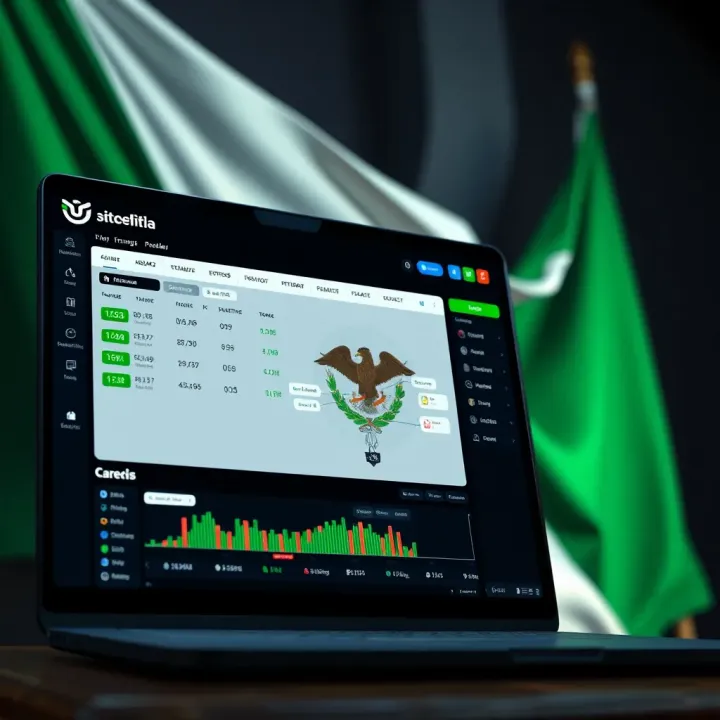
Explore top copy trading platforms in Nigeria! Learn about key features, risks, and tips to boost your investment success 📈💼🇳🇬

🌍 Discover how to pick the best trading platform for Nigerian traders! Explore security, fees, features & user-friendliness to trade smartly and safely.

🔍 Find the best online trading platform in Nigeria! Compare features, fees & security to pick the right fit for your trading goals. Make informed choices today.
Based on 11 reviews