
Understanding Trading Robots in Nigerian Markets
🤖 Trading robots help Nigerian traders automate investing with smart tech. Learn how they work, their risks, benefits, local rules, and future trends shaping Nigeria's market.
Edited By
Isabelle Fletcher
For many Nigerian investors, understanding how to navigate trading platforms is essential to making smart moves in the financial market. Trading platforms act as your digital bridge to buy and sell assets like stocks, forex, commodities, and cryptocurrencies. But not all platforms are built the same, so knowing the basics can save you time and money.
A trading platform is essentially software that lets you access markets where financial assets are bought and sold. Once you register and fund your account, you can execute trades, track market trends, and manage your portfolio in real-time. Nigerian investors often choose platforms offering access to the Nigerian Stock Exchange (NGX) alongside international markets, giving more options for diversification.
Brokerage Platforms: These are provided by stockbrokers and allow trading on local exchanges like NGX. Examples include Stanbic IBTC Online or Meristem's trading platform.
Forex and CFD Platforms: Designed for trading currency pairs and contracts for difference. Popular global apps like MetaTrader 4 or MetaTrader 5 also serve Nigerian traders.
Cryptocurrency Exchanges: Platforms like Binance, Luno, and Quidax enable buying and selling digital coins using Nigerian Naira and other currencies.
Each type caters to different investment needs. For instance, if you want to buy shares in Nigerian companies, brokerage platforms regulated by the Securities and Exchange Commission (SEC) are suitable. Cryptocurrency platforms operate under different regulatory considerations and often offer more volatility.
Choosing a trading platform that fits your investment goals and risk tolerance is key. Regulations, fees, and user experience should all play into your decision.
User Interface: The platform should be easy to navigate, especially if you’re new to trading.
Security Measures: Look for two-factor authentication (2FA), encryption, and reliable account protection.
Fees and Charges: Commission rates, deposit/withdrawal fees, and inactivity charges vary.
Regulation: Ensure the platform complies with Nigerian laws, overseen by SEC or the Central Bank of Nigeria (CBN) where applicable.
Looking beyond flashy designs and bonus offers matters. The most important is that your hard-earned ₦ is safe, and you can trade without surprises.
Understanding these fundamentals will guide you in selecting a platform that not only matches your trading style but also safeguards your investment.
Trading platforms serve as the digital bridges between investors and financial markets. They enable users to buy, sell, and manage various investment assets—from stocks listed on the Nigerian Exchange (NGX) to foreign currencies and cryptocurrencies. Understanding how these platforms function helps investors make informed choices, improving trading efficiency and reducing risks.
Trading platforms act as the frontline tools that give investors access to global and local financial markets. For example, an investor using a stock trading platform can instantly execute orders to buy shares in a Lagos-based company or a multinational firm listed abroad. These platforms aggregate market data, provide pricing updates, and facilitate order matching. Without them, individuals would struggle to directly engage with exchanges or find counterparties for trades.
In Nigeria’s context, trading platforms are particularly vital because they bridge infrastructural challenges such as limited physical access to stock exchanges and banking bottlenecks. Platforms like GTI Securities’ online portal or the mobile apps of Stanbic IBTC and Meristem give investors the ability to participate in the market from their mobile phones, even in remote areas. This digital access improves liquidity and market participation.
Trading platforms don’t just offer access; they also influence market transparency by showing real-time prices and trade volumes, which helps investors make timely decisions.
At their core, trading platforms combine several functions into a user-friendly interface. These features typically include real-time price quotes, charts and technical indicators, order placement options, trading history, and portfolio management tools. The best platforms balance complexity and ease of use. For instance, some Nigerian investors may prefer platforms like Trove or Bamboo, which cater to beginners with simplified interfaces, while active traders might lean towards the more advanced tools of Meritrade or Fidelity’s portals.
Mobile accessibility is also crucial, given Nigeria’s high smartphone penetration but inconsistent power supply. Platforms optimised for mobile use enable seamless trading on the go, even during short periods of connectivity. Furthermore, clear layout and navigation reduce errors during order entry—crucial when market prices can shift quickly.
Besides, most trading platforms offer order types such as market orders, limit orders, and stop-loss orders. This range allows investors to control how and when their trades execute, helping to manage risk more effectively. For example, a trader might set a stop-loss order to automatically sell shares if the price falls below a certain level, preventing bigger losses.
In summary, knowing the roles and core functions of trading platforms prepares investors to choose options that fit their trading style, comfort with technology, and market goals. With clear interfaces and critical tools at their fingertips, Nigerian investors can participate actively and efficiently in financial markets.
Nigerian investors have a range of trading platforms to choose from, each designed to accommodate different asset classes and trading preferences. Understanding the types available helps investors select platforms that fit their goals, risk appetite, and the specific markets they want to tap into. Whether you want to invest in equities, speculate on forex, or trade commodities, knowing the platform type will save time and reduce surprises.
Stock trading platforms allow Nigerian investors to buy and sell shares listed on the Nigerian Exchange Group (NGX) and sometimes international exchanges. These platforms, like the ones offered by GTBank, Stanbic IBTC, and EFG Hermes, provide direct access to company shares in sectors such as banking, oil and gas, and consumer goods. They typically include tools like market watchlists, historical price charts, and order placement options (limit, market orders). For example, an investor interested in Dangote Cement or MTN Nigeria shares would use a stock trading platform tailored to local equities.
Stock platforms often require Nigerian investors to have a Central Securities Clearing System (CSCS) account and a Broker-Dealer relationship. This infrastructure ensures secure ownership and settlement. The platforms are crucial for long-term investors aiming for dividends and capital gains in the equities market.
Forex trading is popular among Nigerian investors, mainly due to the liquidity and 24/7 market hours. Platforms like MetaTrader 4, MetaTrader 5, and local providers such as FXTM or PayPorte give users access to currency pairs like USD/NGN, EUR/USD, and others. These platforms often feature leverage options, technical analysis tools, and real-time news feeds to aid decision-making.
Cryptocurrency platforms like Binance, Luno, and Quidax have also found their place within the Nigerian investor base. These let users trade Bitcoin, Ethereum, and local stablecoins. Many Nigerians prefer crypto for its potential hedge against naira volatility and relatively quick profit opportunities, though it comes with higher risk.
Both forex and crypto platforms demand fast and reliable internet and a good understanding of market dynamics because of their fast price movements and margin trading risks.
Commodities trading platforms focus on raw materials such as gold, oil, and agricultural products. These platforms might cater locally through brokers registered with the NGX or internationally via platforms like Interactive Brokers or IG Group, accessible to Nigerian investors.
Derivatives trading involves contracts like futures and options, allowing investors to speculate on price movements without owning the actual asset. For instance, an investor could speculate on the future naira price of crude oil or agricultural yields. These platforms often have more complex interfaces and require a higher level of expertise due to the sophisticated instruments and risks involved.
Choosing the right type of platform depends on your investment aims, the markets you understand well, and your appetite for risk. Nigerian investors should also consider local regulations and platform accessibility before committing funds.
Each platform type suits different trading styles: stock platforms for those seeking long-term growth, forex and crypto for more active, speculative trading, and commodities and derivatives for experienced investors wanting portfolio diversification or hedging strategies. Knowing these distinctions helps Nigerian investors avoid pitfalls and make informed choices in their trading activities.
Choosing the right trading platform isn't just about what assets you can trade—it's also about how smoothly the platform supports your trading goals. For Nigerian investors, the key features to look out for can make or break your experience, affecting everything from decision-making speed to security. Let's break down some crucial elements.
A trading platform must be user-friendly. If it feels like navigating a maze, you'll struggle to make timely trades, especially in markets that move fast. Good platforms like [GTBank’s investment services] or [Access Bank's trading app] offer clean, straightforward interfaces that simplify your trading process. Mobile accessibility, in particular, is vital in Nigeria where many investors rely on smartphones due to limited access to desktop computers or unreliable power supply. Platforms optimised for mobile use allow you to trade anytime, anywhere—be it during a break at your local mama put or while commuting in a keke. Features like push notifications for price alerts can help you stay updated without constantly watching the screen.
Markets never sleep, and neither should your trading tools. Access to real-time data, including live price feeds, order books, and volume, is non-negotiable for serious trading. Imagine trying to buy a stock or cryptocurrency based on yesterday’s prices—that could cost you dearly. Many Nigerian traders use platforms that offer integrated charting tools and technical indicators to analyse market trends efficiently. For instance, platforms linked to the Nigerian Stock Exchange (NGX) provide timely updates, while forex and crypto apps often include economic calendars showing upcoming events that might affect prices. Having these features at your fingertips allows you to make informed decisions quickly.
No matter how insightful your market analysis is, a trading platform that executes orders slowly or fails during volatile moments can cost you money. In Nigeria’s sometimes unstable internet environment, this is especially important. Look for platforms known for their fast trade execution and stability, which minimise slippage—the difference between expected trade price and the actual execution price. Delays can cause frustration and losses, especially in forex or crypto markets where prices change within seconds. Licensed platforms with robust servers and backup systems tend to perform better, giving you confidence that your orders will be processed promptly and accurately.
A sluggish platform is like a danfo stuck in Lagos traffic—it won't get you to your destination on time. Prioritise ease, speed, and real-time data to trade confidently.
In summary, focus on platforms that marry user-friendly design with solid mobile access, deliver live market data and analytical tools, and offer swift, reliable order execution. These features ensure you're not just present in the market but well-equipped to navigate its twists and turns.
When trading online, especially in Nigeria, understanding the regulatory and security landscape is crucial. These considerations help shield investors from fraud, scams, and unreliable platforms while ensuring compliance with local laws. Ignoring them can expose your investments to unnecessary risks, ultimately affecting profitability and peace of mind.
The Nigerian financial market is governed by several key bodies that regulate trading activities to protect investors and maintain market integrity. The Securities and Exchange Commission (SEC) Nigeria is the primary regulator for capital markets, overseeing stockbrokers, trading platforms, and investment firms. Platforms licensed or registered with SEC signal a level of trustworthiness and adherence to local rules.
Besides SEC, the Central Bank of Nigeria (CBN) plays an indirect role by controlling currencies and monetary policies affecting forex trading. Importantly, the CBN’s stance on cryptocurrencies has been restrictive, advising banks against facilitating crypto transactions. Knowing these bodies helps traders choose platforms legally compliant and aligned with Nigerian financial policy.
Security on trading platforms is not just jargon; it directly affects whether your funds and trades are safe. Reliable platforms employ strong encryption protocols (like SSL/TLS) to protect data during transactions. Multi-factor authentication (MFA) adds another security layer, reducing the risk of unauthorized access.
Some Nigerian traders have lost money to platforms lacking basic security, which underscores the need to verify features such as secure login, biometric options where available, and regular security audits by third parties. For instance, top Nigerian platforms like Leadway Securities or ARM Securities consistently publicise their security measures as part of customer confidence.
Beyond platform security, safeguarding your personal and financial information is essential. Phishing attacks and data breaches are real threats. Avoid sharing sensitive details like your Bank Verification Number (BVN) or passwords over email or unsecured websites. Nigerian traders should always confirm a platform’s data privacy policy complies with Nigeria’s Data Protection Regulation (NDPR).
You can protect your data effectively by using strong, unique passwords and regularly updating them. Additionally, trading on devices with updated antivirus software reduces exposure to malware targeting financial information. Remember, no legitimate platform will ask for your full bank login details directly; be wary of any that do.
Staying alert about regulatory compliance and security features can save you from costly mistakes and ensure your trading experience remains smooth and trustworthy.
In sum, paying close attention to Nigerian regulatory requirements and security standards is not optional. It empowers you as a trader to engage confidently with the trading platforms, safeguarding your investments and personal data while aligning with country-specific rules.
Understanding the costs tied to trading platforms is vital for Nigerian investors who want to maximise their returns. Fees might not be headline figures, but over time they can erode profits significantly. Nigerians trading in stocks, forex, or crypto need to know what charges to expect and how these fees influence their bottom line.
Commissions are the most straightforward cost — a fee paid to the platform or broker when you make a trade. Some platforms charge a flat rate per trade while others base it on a percentage of the trade value. For example, a typical Nigerian stockbroker might charge 0.5% commission for buying or selling shares on the Nigerian Exchange (NGX). If you bought ₦100,000 worth of stocks, that would mean ₦500 in commission fees.
In forex or crypto trading, commissions might be lower or bundled into other costs like spreads (discussed below). However, some specialised platforms charge additional commissions if you trade frequently or use complex orders. It’s worth comparing commission rates, especially if you plan to trade actively.
Hidden charges can be traps for the inexperienced. Beyond straightforward commissions, platforms may charge inactivity fees, withdrawal fees, or fees for data subscriptions. Nigerian traders should watch out for platforms imposing monthly maintenance fees irrespective of trading activity, which can chip away at capital during quiet periods.
Spreads, common in forex and crypto markets, represent the difference between the buying (ask) and selling (bid) price. Platforms use spreads as a way to make money without explicit commission. For example, if Bitcoin’s market price is ₦23,000,000 but the platform offers a buying price of ₦23,050,000 and a selling price of ₦22,950,000, the ₦100,000 difference reflects the spread. Tight spreads mean lower costs for traders, so comparing spreads across platforms helps.
Fees directly cut into your trading profits. Even a small percentage on each trade can add up quickly, especially if you trade severally in a month. For instance, if your platform charges 0.3% commission and 0.1% as spread, your break-even point shifts higher. A ₦10,000 profit will be less enticing if ₦40 is lost in fees before you can cash out.
Over time, even Nigerian day traders or those using automated bots will feel the impact unless they choose fee-friendly platforms. That's why many investors balance cost with features: a platform with slightly higher fees but better tools and security might save money in the long run by helping avoid poor trades.
Being aware of all costs upfront ensures you avoid surprises and make more informed decisions. Always check the fee schedule carefully and consider how costs weigh against potential gains.
In summary, Nigerian investors should:
Verify commission rates and whether they are flat or percentage-based
Watch out for hidden fees such as inactivity and withdrawal charges
Compare spreads where applicable, especially in forex and crypto markets
Assess total cost impact on their trading strategy to maintain profitability
Knowing these details enables smarter, cost-efficient trading on any platform you choose.
Selecting the right trading platform shapes your entire investment experience. For Nigerian investors, it’s not just about picking a popular name but finding one that matches your trading goals, offers strong security, and fits your style. Choosing wisely can save you money in fees, reduce frustration with clunky apps, and help you execute trades quickly when markets move fast.
Start by clarifying what you want to achieve. Are you a long-term investor aiming for steady growth, or do you prefer short-term trades that require constant monitoring? For example, if you mostly invest in Nigerian equities through the NGX Exchange, a platform with strong stock trading tools like GTBank’s online investment portal might suit you better than one focused on forex or cryptocurrencies.
Your trading style also affects your choice. Day traders need platforms with fast order execution and real-time market data, while beginners might value user-friendly design and educational resources. Define if you prefer mobile apps to trade on-the-go — especially important in cities like Lagos, where traffic jams can stall your desktop access.
Don’t skip reading reviews from actual users and financial analysts. Beyond promotional adverts, these give insights into platform reliability, hidden costs, and customer service quality. For instance, some Nigerian users complain that certain forex platforms show excellent spreads but delay withdrawal processing.
Look out for patterns in user feedback. Consistent complaints about app crashes or poor customer support are red flags. Assess whether the platform has local presence or partnerships, which usually mean faster problem resolution. Nigerian fintech forums and tech blogs are good places for unfiltered opinions.
Before committing real money, test the platform using trial or demo accounts. These let you navigate the user interface, place mock trades, and get comfortable with tools without risking capital. In Nigeria, platforms like Kuda and Paystack sometimes offer demo features to help new investors learn without pressure.
A good demo should simulate real market conditions closely, including the impact of spreads and commissions. If a platform doesn’t offer this, consider it a disadvantage; you risk unpleasant surprises when you start trading live. Trial runs help you avoid wasted time and money on platforms that feel complicated or unreliable.
Choosing the right trading platform isn’t just a technical decision — it shapes how comfortably and profitably you can invest. Take time to match your goals, read real reviews, and test platforms before settling.
By carefully weighing your trading style, checking user experiences, and trying demo accounts, you’ll pick a platform that works for you. This sets the stage for smoother trades and better chances of financial success in Nigeria’s dynamic markets.
🤖 Trading robots help Nigerian traders automate investing with smart tech. Learn how they work, their risks, benefits, local rules, and future trends shaping Nigeria's market.
🌍 Discover how to pick the best trading platform for Nigerian traders! Explore security, fees, features & user-friendliness to trade smartly and safely.
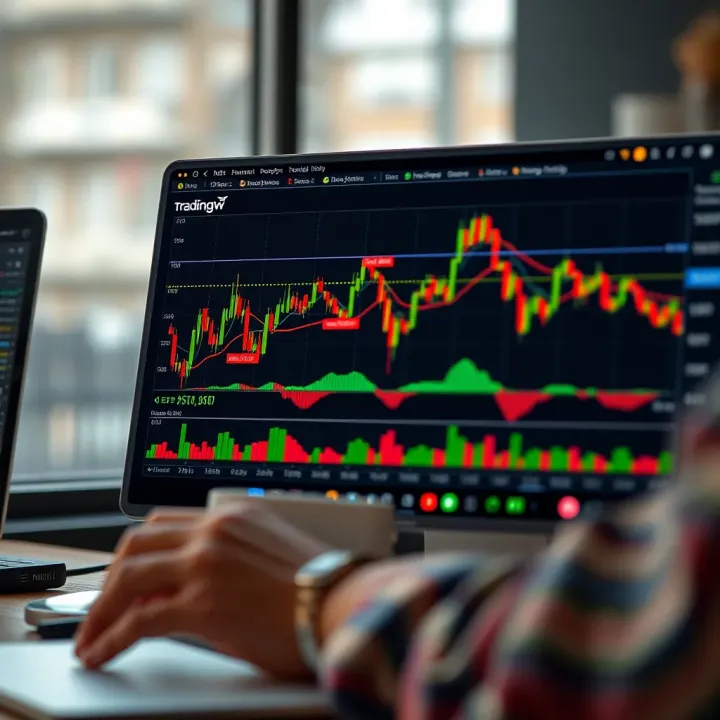
🚀 Discover how TradingView boosts Nigerian traders with real-time charts, market data, social insights & mobile tools for forex, stocks, crypto and more. 📈
Explore the essentials of being a successful online trader in Nigeria 🇳🇬. Learn key tools, trading types, legal tips, and how to navigate challenges effectively.
Based on 6 reviews