
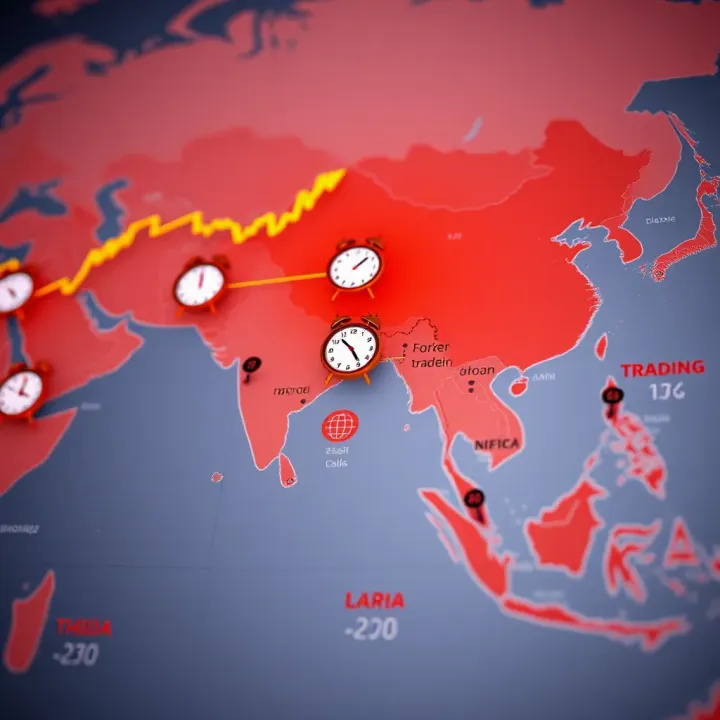
Asian Forex Trading Hours for Nigerian Traders
📈 Discover how Nigerian traders can trade smartly during the Asian forex session. Learn key hours⏰, currency impact 💹, and tailored strategies for success.
Edited By
Emily Cartwright
Forex trading is a bustling activity that never really sleeps, but the hours you choose to trade can significantly affect your success. For Nigerian traders working with the global forex market, understanding when the market operates is just as important as how to trade. With Lagos operating on West Africa Time (WAT), which is UTC+1, aligning your schedule with international market hours ensures you don’t miss crucial price movements.
The forex market runs 24 hours from Monday to Friday, divided into four major sessions: Sydney, Tokyo, London, and New York. Each market opens and closes at different times, influencing currency pairs uniquely. For example, the London session (8 am to 4 pm GMT) overlaps with the New York session (1 pm to 9 pm GMT) during the afternoon, creating high volatility—ideal for active traders looking for good price swings.
Nigerian traders must adjust these times to their local clock. When London is open from 9 am to 5 pm WAT, New York’s session starts in the early afternoon and runs to late evening, allowing you to strategise around these active windows. However, forex markets close on weekends, so trading activity halts from Friday evening to Sunday evening, offering a breather but also meaning you can’t place new trades during that period.
Another layer of complexity arises with daylight saving time (DST) changes, adopted by many countries outside Nigeria. DST shifts can move trading hours forward or backward, temporarily altering the overlap between sessions. Since Nigeria does not observe DST, traders need to keep track to avoid surprises in market opening times.
Timing matters in forex trading; catching the best sessions can mean the difference between a good trade and a missed opportunity.
To trade efficiently during optimal hours, consider these points:
Use a reliable world clock or forex trading platform that shows market opening times in WAT.
Focus on trading during session overlaps when liquidity is high.
Avoid trading during weekends and holidays when spreads might widen.
Monitor broker-specific hours, as some brokers have unique trading schedules or maintenance windows.
Getting your timing right helps you navigate the forex market like a pro and boosts your chances of making profitable trades in naira terms. With proper timing, you can avoid being caught off-guard by low liquidity or sudden price gaps, especially in the vibrant but sometimes volatile forex scene trading from Nigeria.
Understanding global forex market hours is key for Nigerian traders to make smarter trade decisions. The forex market operates 24 hours, but trading activity waxes and wanes depending on which financial centres are open. Nigerian traders can improve their chances of profit by knowing when markets are most active and timing their trades accordingly.
The forex market is divided into four major trading sessions corresponding to key financial centres: Sydney, Tokyo, London, and New York. Each session brings liquidity and volatility unique to its region. For instance, the Tokyo session usually starts around 12 am WAT (West Africa Time) and marks the beginning of Asian market activity. London session, opening around 8 am WAT, is notorious for high activity as it overlaps with both Asian and American sessions at different points.
Knowing these sessions helps Nigerian traders pick when to engage the market, because trades made during active hours tend to have tighter spreads and better price movement.
The 24-hour cycle means forex never truly sleeps. However, liquidity rises substantially during session overlaps, offering better chances for profitable trades.
One key time for Nigerian traders is the overlap between London and New York sessions from about 1 pm to 5 pm WAT. This window often sees a surge in volume and price moves, creating fertile ground for scalping and short-term strategies. For example, Nigerian traders focusing on EUR/USD or GBP/USD pairs find this overlap especially beneficial.
Similarly, the Sydney-Tokyo overlap early in the morning (around 4 am to 6 am WAT) sees increased activity in Asian currency pairs like AUD/JPY and NZD/JPY. While this overlap happens at an inconvenient hour for most Nigerian traders, it offers unique opportunities if one can trade at odd hours.
London, New York, Tokyo, and Sydney not only dictate trading hours but also influence market liquidity and volatility. London stands out as the largest forex centre, accounting for almost 40% of daily global forex turnover. Nigerian traders targeting GBP or EUR-related pairs focus heavily on London hours due to depth and quick price adjustments.
New York follows closely, dominating the American session with strong US dollar movements. Meanwhile, Tokyo and Sydney shape Asian market behaviour and affect commodity-linked currencies like Japanese yen, Australian dollar, and New Zealand dollar.
Liquidity often peaks during the time when two major centres are both active. Higher liquidity means orders fill faster and spreads tighten, reducing trading costs. For Nigerian traders, this translates to more efficient trade execution and less slippage.
During off-hours, such as when only Sydney operates, liquidity drops and spreads widen. Trading during these quiet periods carries higher risks of erratic price moves and poor fills. Ultimately, aligning trading activity with periods of high liquidity and volatility is critical for maximising profits and managing risk.
In brief, Nigerian forex traders sharpen their edge by tracking global market hours and tuning into the session overlaps that offer the best trading conditions. Planning trades around these insights, rather than randomly entering the market, is a practical step that pays off over time.
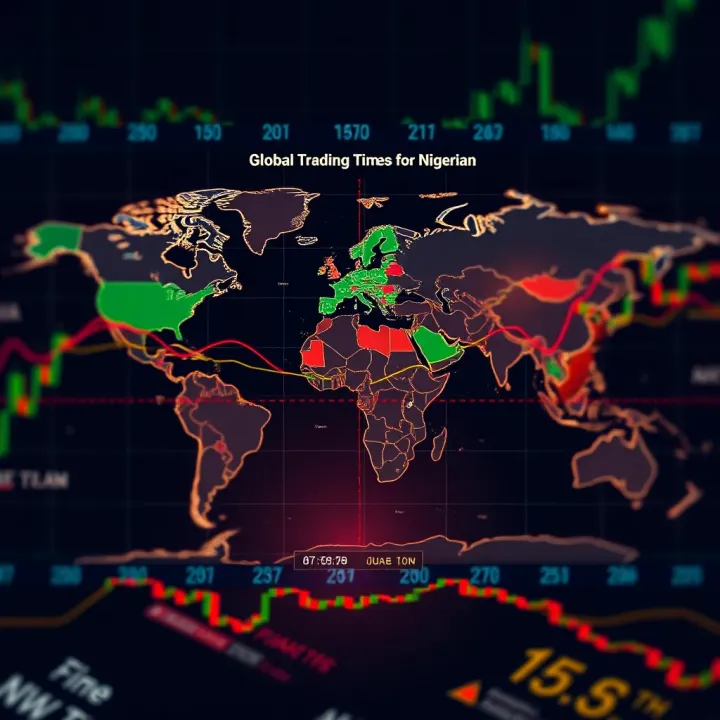
Understanding how forex trading hours align with Nigerian time is crucial for traders who want to optimise their activities and avoid missing profitable opportunities. Since forex markets operate around the clock across various global financial centres, converting these schedules into West Africa Time (WAT) helps Nigerian traders plan precisely when to enter or exit trades, especially during peak liquidity periods.
Being aware of local time equivalents prevents confusion, such as mistiming trades during major session overlaps like London-New York or Tokyo-Sydney. For example, without proper conversion, a trader might mistakenly think the New York session runs late into the night Nigerian time, potentially missing fast market movements.
West Africa Time (WAT) is the time zone Nigeria follows, which is UTC+1 all year round. Unlike many countries, Nigeria does not observe daylight saving time, so the clock remains consistent throughout the year. This stability allows Nigerian traders to focus on external factors affecting forex hours without worrying about local clock changes.
When comparing WAT to major forex hubs:
London operates on GMT or BST (British Summer Time), which is UTC+0 in winter and UTC+1 in summer.
New York is UTC-5 during standard time but shifts to UTC-4 with daylight saving.
Tokyo runs on JST, which is UTC+9 without daylight saving.
These time differences mean Nigerian traders often experience forex sessions starting or ending at odd local hours. For instance, during standard time, London opens at 8 am WAT, but during BST it opens at 9 am WAT. Meanwhile, the New York session begins at around 2 pm WAT in winter but shifts to 1 pm when daylight saving is active.
Daylight saving in the UK and US creates shifts in trading hours, impacting Nigerian traders significantly. Because Nigeria doesn't change clocks, Nigerians must recalibrate their trading schedules twice yearly to track these changes. If a trader does not account for this, they might end up trading during quiet market periods or miss the active overlap between London and New York sessions.
For example, during UK’s British Summer Time (March to October), London’s forex market opens one hour later relative to Nigerian time than during the rest of the year. In the US, daylight saving starts and ends on different dates compared to the UK, which means traders must adjust twice within a short period to remain in sync with market activity.
To cope with daylight saving adjustments, many Nigerian traders use forex trading platforms that automatically convert session times into local time zones. Additionally, smartphone apps and online tools can track daylight saving transitions globally.
Setting alerts based on Nigerian time for session openings and closures helps traders avoid guesswork. Keeping a simple calendar reminder twice yearly to review forex market times ensures trading activities align with global schedules, reducing risks of mistiming trades during volatile market periods.
Always align your trading operation times with WAT offsets, and adjust when daylight saving is active in foreign markets, to stay ahead.
Knowing the best hours to trade forex is essential for Nigerian traders looking to maximise profits and manage risks effectively. Since forex operates 24 hours across different markets, understanding when the market is most active helps you decide the right times to enter or exit trades.
The overlap between the London and New York sessions stands out as the most active period. This window runs roughly from 2 pm to 6 pm Nigerian time (WAT). During this time, both London and New York markets are open, leading to higher trading volumes and increased price movements. For example, if you’re trading the EUR/USD pair, which is heavily influenced by these two financial centres, you’ll see a lot more price action to capitalise on during these hours.
Trading during the London-New York overlap improves chances of catching profitable moves because liquidity peaks. Large players such as banks and hedge funds participate actively, making spreads tighter and execution faster. This leads to better pricing and less slippage, which is crucial when trading with tight stop losses or scalping strategies.
Higher volatility during peak hours means more significant price swings, which can help traders identify entry and exit points quickly. While volatility brings risk, it also provides better opportunities for profit—especially for short-term or day traders who rely on rapid price changes.
For instance, a trader using breakout strategies on GBP/USD can find reliable chances to enter when the price breaks key support or resistance levels during these busy hours. Moreover, increased market activity often reflects the impact of key economic data releases from the US or Europe, which predominantly occur within this trading window.
In contrast, the hours between 10 pm and 2 am Nigerian time are usually quieter. The Asian session is winding down, and London hasn’t yet fully started, resulting in lower trading volumes. The reduced liquidity can cause unpredictable price gaps and wider spreads because fewer market participants are active.
Trading during these slow periods heightens risks. For example, during the late-night hours, a sudden news event could push prices sharply with little liquidity to absorb the shock, leading to slippage and possibly bigger losses.
To manage this, Nigerian traders should avoid opening large positions during quiet hours. Instead, these times are better for planning trades, analysing charts, or setting up alerts for the upcoming active periods.
Using trading platforms with good time zone tools helps schedule your trades around higher liquidity windows. If you must trade outside peak hours, limit position sizes and use wider stops to account for possible erratic price behaviour.
Timing your trades with the busiest market hours can significantly improve your chances of success while managing risks during quieter periods.
Overall, aligning your forex activities with peak trading periods in Nigerian time can enhance efficiency and profitability. Understanding these time-based dynamics helps you trade smarter in the ever-active forex market.
Forex markets around the world remain closed during weekends, typically from Friday evening to Sunday evening. This pause allows financial institutions and brokers to perform necessary maintenance, system updates, and risk assessments without active trading pressures. In Nigeria, understanding these weekend closures is vital since they affect when you can enter or exit positions, especially given time zone differences with major trading hubs like London and New York.
Being aware of the weekend shutdown helps you plan trades better, avoid unexpected risks from holding positions over non-trading periods, and prepare for liquidity changes.
For Nigerian traders, weekend closures mean that no new trades can be executed for roughly 48 hours. If you leave trades open before the weekend, sudden market movements when markets reopen – for instance, due to political announcements or economic data released over the weekend – could affect your positions. Therefore, monitoring global events during these hours is essential to managing risk effectively.
Typical weekend market closures happen every week when the major forex centres close their trading desks on Friday evening. In Lagos time (West Africa Time, WAT), markets usually stop trading around 9 pm on Friday and reopen by 9 pm on Sunday. While no trades occur, prices can gap up or down when trading resumes, so keeping an eye on news cycles through the weekend is a smart move.
Impact on Nigerian traders is most felt when sudden shifts happen outside these windows. If Nigeria’s traders hold positions open through the weekend, they could face unexpected losses or gains once markets restart. Plus, with limited access to live price feeds during closure, executing immediate adjustments is impossible. Knowing this helps avoid surprises and encourages active risk management before markets close.
During global holidays, especially in major forex centres like London, New York, or Tokyo, liquidity drops significantly. Reduced liquidity means fewer active traders and lower volume on currency pairs, which can lead to wider spreads and more volatile price swings. For Nigerian traders, this environment is tricky since standard strategies based on typical volume and price action might not work as expected.
To navigate this, Nigerian traders should adjust their strategies when global holidays occur. This could involve:
Tightening risk limits to avoid larger-than-normal losses during low liquidity spells.
Avoiding opening new positions on holidays when price gaps and spikes are common.
Using limit orders rather than market orders to control entry and exit prices better.
Timing is everything. For instance, when Christmas or US Independence Day falls on weekdays, expect subdued market activity. It’s wise to monitor the global holiday calendar and plan trades accordingly to protect your capital and optimise returns.
Aligning trading schedules with these closures and holidays ensures you stay ahead of market behaviour, minimise risk, and make smarter moves in the forex market from Nigeria.
Timing is a strong factor in forex trading success, especially for Nigerian traders navigating global market hours. The right timing can influence liquidity, volatility, and trade execution quality. Practical tips help traders optimise their activity around market schedules, broker specifics, and time zone differences to improve outcomes and reduce risk.
A broker's operating hours and server uptime are crucial for smooth trading. Brokers based abroad might have downtime during their local business off-hours, which can disrupt your trade orders if you’re unaware. For instance, a Nigerian trader using a broker in New York must consider that server maintenance or technical glitches could occur during Nigerian night hours. Picking brokers that offer 24/7 platform availability or have local servers with high uptime ensures you don’t miss important market moves.
Broker differences affect your trading window significantly. Some brokers might only open their platforms during major markets’ peak times (like London or New York), limiting trading options. Others offer extended hours to cover Asian sessions, which can be helpful if you prefer trading early mornings Nigerian time. Additionally, brokers differ in their response speed and order execution during volatile periods, impacting profitability. Ensuring your broker suits your preferred trading hours and style is key.
Using time conversion tools and apps helps Nigerian traders stay on top of global market times without confusion. Apps like World Time Buddy or even broker-integrated clocks can convert London, New York, Tokyo sessions into West Africa Time (WAT). This reduces mistakes such as missing the London-New York overlap, which shows more trading opportunity due to higher liquidity. Without these tools, it's easy to trade at less active times and face slippage or wider spreads.
Scheduling trades and alerts is another practical approach. Setting up trade orders before peak sessions saves you from missing chances due to slow Nigerian internet or sudden power outages. Alerts on price levels or session openings can notify you to act quickly. For example, receiving an alert right before the New York market opens allows you to capitalise on expected volatility. Many brokers offer mobile app notifications, making it easier to monitor trades even when you’re away from your desk.
Efficient management of broker availability and time zones saves Nigerian forex traders costly errors and opens doors to better trade timing, which ultimately protects their investment and boosts potential gains.
Adopting these practical tips is not just smart but necessary for Nigerians who want consistent results in the dynamic forex environment. Use reliable brokers, stay aligned with international market times, and automate alerts to position yourself well for profitable trades throughout the day.
📈 Discover how Nigerian traders can trade smartly during the Asian forex session. Learn key hours⏰, currency impact 💹, and tailored strategies for success.

🌍 Learn how the US forex session timing fits Nigeria’s clock ⏰. Get tips on best trading hours and how to adjust for time differences effectively.
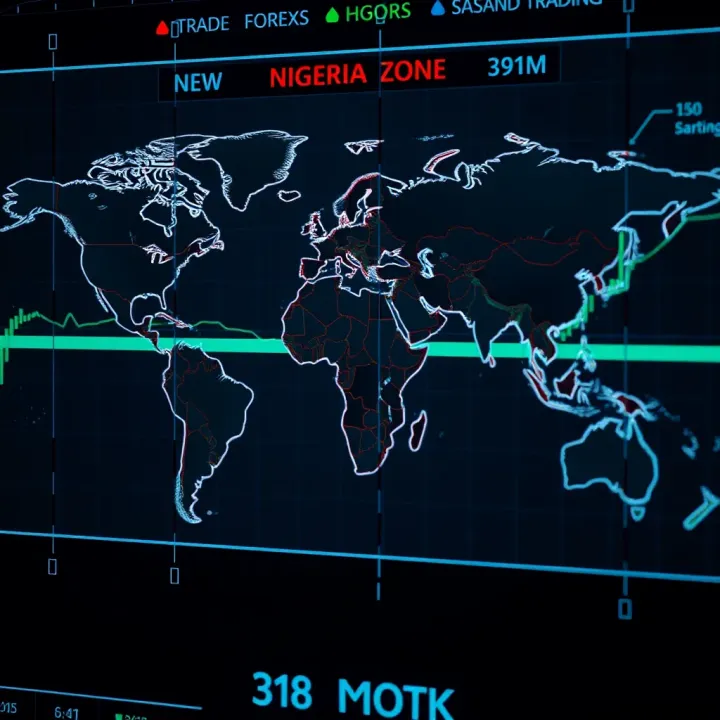
📈 Explore Forex market hours in Nigeria 🇳🇬, understand global trading sessions, and learn if Sunday trading is available to boost your Forex strategy wisely.
Discover how forex trading offers Nigerians accessible, flexible income opportunities, hones trading skills, and provides smart risk management tools 💹🌍
Based on 6 reviews