
Benefits of Forex Trading for Nigerian Traders
Discover how forex trading offers Nigerians accessible, flexible income opportunities, hones trading skills, and provides smart risk management tools 💹🌍
Edited By
Oliver Spencer
Forex trading spans across global markets that operate 24 hours a day during weekdays. For traders in Nigeria, understanding how these international sessions align with West Africa Time (WAT) is vital for taking full advantage of market movements. Without matching trading hours to Nigerian time, you risk missing significant opportunities or trading during low activity periods, which affects liquidity and price volatility.
There are four key forex trading sessions worldwide: Sydney, Tokyo, London, and New York. Each session overlaps with others at different times, creating windows of high activity where currency pairs experience more price action. For Nigerian traders, this means certain hours are better suited for trading specific pairs or strategies.
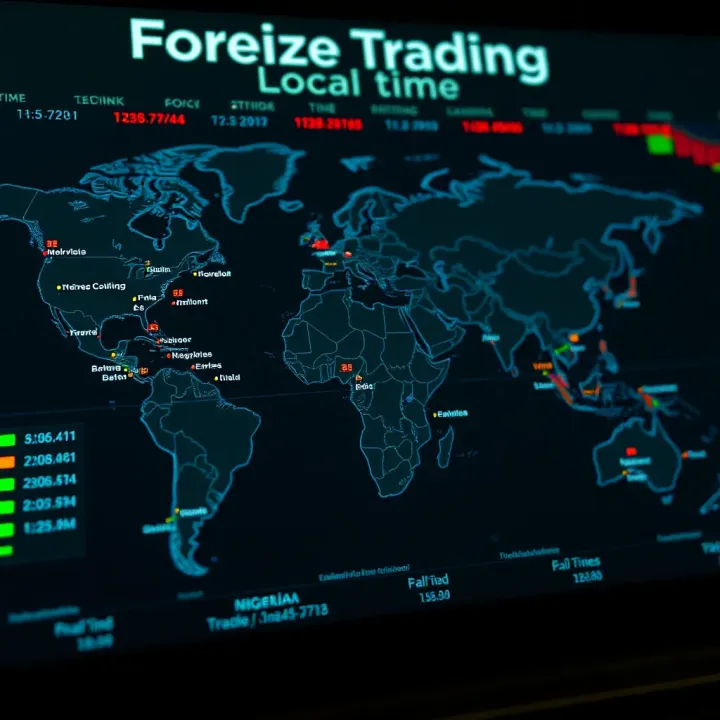
The trading day begins with the Sydney session, but because it corresponds to late night or early morning in Nigeria, most local traders focus less on it. The Tokyo session runs through Nigeria's early morning to midday, offering opportunities in JPY and other Asian-related currencies. However, the London session is considered the busiest globally and coincides with Nigeria's afternoon hours, which opens up broad market participation, especially in EUR, GBP, and major pairs.
The New York session overlaps with the London close during Nigeria's late afternoon to early evening, making it a prime time for increased volume and market volatility. Activity during this time often drives major trends, so knowing when this session kicks off in WAT helps traders time their entries and exits more precisely.
Matching your trading schedule to these forex sessions can maximise your chances of entering trades with better spreads, more liquidity, and bigger price moves.
When trading from Nigeria, keep the following in mind:
Track session opening and closing times against WAT.
Focus on sessions where your preferred currency pairs are most active.
Use session overlaps for higher volume and volatility.
Adapt your trading strategies based on session characteristics — for example, London session suits breakout tactics, while others might favour range trading.
Understanding these forex trading sessions relative to Nigerian time is not just academic — it’s practical. It helps you avoid unnecessary risks like trading during low liquidity hours or missing out on volatile sessions where profits tend to be realisable.
Next, we will explore each session's exact timing in Nigerian time, typical market behaviour, and practical tips to align your trading for better outcomes.
For Nigerian traders, understanding global forex trading sessions is no mere academic exercise; it's a practical necessity. The forex market never sleeps — it jumps across continents as clocks strike different hours. This continuous activity means Nigerian traders must know when specific markets open and close to time their trades well.
Each major forex session has distinct features like liquidity, volatility, and typical market behaviour. For example, when London’s financial hubs wake up, forex trading volume spikes, offering favourable conditions for active traders. Conversely, the Sydney session may start quietly in Nigerian time but still presents opportunities, especially with currency pairs involving the Australian dollar.
Having a clear overview of these sessions gives traders a strategic edge. It helps avoid periods when markets are too slow and reduces exposure to sudden price swings during peak hours traders may not be prepared for. The global sessions' overlap also unlocks prime trading moments, especially for popular pairs like EUR/USD or GBP/USD.
Understanding these session timings equips Nigerian investors and finance analysts with better control over their trading activities. It enables them to align trading times with daily routines and market rhythms, improving decision-making and potential profits.
Forex trading sessions refer to the four main time blocks during which global financial centres conduct the bulk of currency trading. Trading happens 24/5 globally because when one financial centre closes, another opens. These sessions reflect local business hours of key markets: Sydney, Tokyo, London, and New York.
Each session influences market behaviour differently, affected by economic news releases, banking hours, and trader sentiment in the respective region. For Nigerian traders, aligning these sessions to West Africa Time (WAT) is essential for effective planning.
The Sydney session marks the start of the global forex trading day, operating from roughly 9 pm to 6 am Nigerian time. Though it is generally quieter, it sets the tone for the Asia-Pacific region. Currency pairs like AUD/USD and NZD/USD experience activity during these hours.
Nigerian traders with an interest in commodities or Australian markets find this session useful. For instance, if you trade AUD pairs, planning trades early gives you an edge before the Tokyo session begins.
Following Sydney, the Tokyo session runs approximately from 12 am to 9 am Nigerian time. It accounts for a significant chunk of Asian market activity. The Japanese yen and other Asian currencies see notable movement here.
For Nigerian investors looking to trade JPY or emerging-market currencies in Asia, this session offers higher liquidity. Economic releases from Japan and China often impact rates during this time, making it a period for news-driven moves.
Opening around 8 am and closing near 5 pm Nigerian time, the London session carries the highest trading volume worldwide. London remains the largest forex centre, with many banks and hedge funds active.
Pairs like EUR/USD, GBP/USD, and USD/CHF see significant volatility here. Nigerian traders aiming for high liquidity and tighter spreads often focus on this session. The middle of the London session is when the market tends to be most dynamic.
The New York session overlaps with London for a few hours, running from about 1 pm to 10 pm Nigerian time. It is hugely influential due to the size of the US economy and the US dollar’s role as the world's primary reserve currency.
Important US economic data releases like NFP (non-farm payroll) and FOMC announcements happen during this session. Nigerian traders must monitor these events carefully as they can cause sharp price swings.
Knowing when these sessions operate and how they behave gives Nigerian traders the opportunity to capitalise on market patterns and avoid unnecessary risks when markets are thin or volatile.
For Nigerian forex traders, knowing the exact timing of global forex sessions in West Africa Time (WAT) is more than just useful—it’s essential. The forex market never sleeps, but trading opportunities fluctuate depending on which session is active. By aligning these global trading hours with Nigerian local time, you can plan your trades more effectively, manage risk, and avoid unnecessary exposure to volatile periods.
Take for example a trader based in Lagos who wants to focus on the London and New York sessions—the most liquid and volatile periods. Without converting session times to WAT, they might miss critical market moves or trade during quiet periods with low liquidity. Understanding these times also helps in managing daily routines alongside trading, avoiding conflicts with other commitments.
Each forex trading session corresponds to a major financial centre’s local time. However, Nigeria operates on West Africa Time (WAT), which is UTC +1. Sydney and Tokyo sessions are ahead of Nigerian time, while London and New York are behind or roughly within Nigeria’s waking hours depending on daylight savings adjustments.
To convert, you start from the session’s local time and adjust according to the time difference from UTC. For instance, the London session starts at 8:00 am GMT (UTC 0), so in Nigeria during non-daylight savings periods, it also opens at 9:00 am WAT. Sydney and Tokyo sessions require adding roughly 9 to 11 hours to account for their location east of Nigeria. This makes timing conversion crucial for Nigerian traders preparing their daily calendar.
The Sydney session marks the forex market’s start. It opens at 9:00 pm WAT and closes at 6:00 am WAT. This timing means it mostly falls during Nigeria’s night and early morning hours, which some traders may find inconvenient. However, for those monitoring commodities or Aussie dollar pairs, catching the Sydney session early can offer distinct opportunities due to lower volatility compared to other sessions.
Following Sydney, the Tokyo session runs from 12:00 am to 9:00 am WAT. It overlaps partly with Sydney but represents Asia’s core trading hours. Nigerian traders focusing on yen pairs or Asian market movements will find this session important. While it falls into Nigeria’s past-midnight to morning range, active traders can catch early market trends before the London session opens.
The London session opens at 9:00 am and closes at 6:00 pm WAT, perfectly aligning with Nigeria’s business hours. It’s the most liquid session, heavily influencing the forex market globally. Nigerian traders benefit from the higher trading volume and tighter spreads during this session, making it ideal for active trading or intraday strategies.
The New York session starts at 2:00 pm WAT and ends at 11:00 pm WAT. It overlaps partially with the London session from 2:00 pm to 6:00 pm, creating periods of intense activity and volatility. This overlap is often the best time for Nigerian traders to catch significant moves in major currency pairs, especially USD-related pairs, which dominate forex trading volume.
Aligning global forex session times to Nigerian time helps traders optimise strategies, avoid downtime, and focus on periods with higher liquidity and better price movements.
Understanding these session timings and adjusting your trading accordingly can improve decision-making and enhance profit potential in the Nigerian forex market.
Understanding the key features of each forex trading session is vital for Nigerian traders. These features shape market behaviour, affecting liquidity, volatility, and trading opportunities throughout the day. Knowing the distinct qualities of each session helps Nigerian traders plan their entry and exit points more strategically.
Liquidity refers to how easily assets can be bought or sold without causing significant price changes, while volatility measures the price fluctuations within the market. The London session, for example, is renowned for its high liquidity and volatility due to the overlap of many major financial centres. This means traders in Nigeria can expect swift price movements and tighter spreads, which can be ideal for scalping or swing trading.
On the other hand, the Sydney session, being relatively smaller and less active, usually shows lower liquidity and reduced volatility. For Nigerian traders, this could imply fewer trading opportunities but also lower risks of sudden market swings. Understanding such patterns allows traders to adjust their strategies accordingly, avoiding times of low activity if they prefer more action, or focusing on these sessions for quieter trades.
In the Nigerian time zone (West Africa Time), the overlap between the London and New York sessions—from around 2 pm to 5 pm WAT—is the most active period. This window sees the highest volumes as both European and US markets engage simultaneously, causing sharper price swings and enhanced trading opportunities.
For example, a trader focusing on major currency pairs like EUR/USD or GBP/USD will find tighter spreads and greater momentum during this overlap. Traders looking to catch market trends often prefer this period because the increased activity can confirm price directions more reliably.
The London-New York overlap marks a crucial period with heightened liquidity and volatility. For Nigerian traders, this happens in the mid-afternoon hours and often offers the best chance for significant profits due to the increased trading volume from two of the largest financial hubs. Many market-moving economic releases from the US and Europe coincide during this overlap, amplifying price movements.
Consider a scenario where the US Federal Reserve announces interest rate changes during this overlap. The combined response from London and New York traders typically sends strong ripple effects across the forex market, creating both risks and opportunities for Nigerian investors. Being active in this period means a trader can take advantage of these swings but must also manage risk carefully.
Though shorter, the Tokyo-London overlap occurs during late morning hours Nigerian time, roughly between 9 am and 10 am WAT. This period shows moderate liquidity and volatility as Asian and European markets interact. While not as busy as the London-New York overlap, it still provides valuable openings, especially for traders interested in currency pairs like EUR/JPY or GBP/JPY.
For Nigerian forex traders, this time can be used for entry or exit before the London-New York session kicks off. It’s also practical for those who prefer trading during quieter markets but still seek reasonable price movement. Strategically, it’s an opportunity to position for market trends driven by Asian or European factors.
Trading sessions are not just time slots but reflect how global money flows influence the market. Being mindful of these features helps Nigerian traders navigate the forex market with confidence.
Understanding how forex trading sessions overlap with Nigerian time allows traders to plan better and increase their chances of success. Since the forex market runs 24 hours across different global hubs, knowing when each session starts and ends in West Africa Time (WAT) helps optimise trade timing for liquidity and volatility preferences.
Nigerian traders should align their trading activities with periods of high market action. For example, the London session (8 am to 4 pm WAT) and the New York session (1 pm to 9 pm WAT) often offer the highest volume and volatility. Planning trades during these hours can lead to more opportunities because price movements tend to be more pronounced. On the other hand, the Sydney and Tokyo sessions (off-peak hours in Nigeria) usually experience lower volume, which might suit traders favouring less volatile markets.
A practical approach is to monitor currency pairs most active in each session. For instance, USD/NGN or GBP/USD show more movement during London and New York hours. If you prefer trading pairs involving Asian currencies like JPY or AUD, focusing on the Tokyo or Sydney sessions makes sense even though these coincide with Nigeria’s night hours.
Knowing session timings also helps Nigerian traders manage risk effectively. Market activity spikes can cause sudden price swings. By anticipating these periods, traders can adjust position sizes or tighten stop-loss orders to avoid volatile surprises. For example, the London-New York overlap between 1 pm and 4 pm WAT is notorious for sharp price swings because two major financial centres are active simultaneously.
Using session data, a trader might avoid opening large positions just before session overlaps or after market closes when liquidity drops and spreads widen, increasing trading costs. Incorporating session awareness into your risk management plan decreases chances of losses from unpredictable moves.
Not all volatility is good; excessive swings might lead to losses if you’re unprepared. Nigerian traders can use session schedules to steer clear of these risky periods. For instance, the first hour after a session opens—especially in London and New York—tends to have erratic price behaviour as traders react to overnight news or economic releases.
If you’re risk-averse or prefer steady trades, avoid trading during these early periods and wait for the market to settle. Alternatively, interventions like major CBN announcements or US Federal Reserve releases can amplify volatility regardless of session. Being aware of the forex session helps you anticipate and avoid such hazardous windows.
Aligning your trading plan with session timings offers practical benefits: it enhances chances to catch meaningful price moves, helps control risks during volatile times, and improves overall trading discipline. Nigerian traders who factor in these timings stand a better chance of consistent gains in the forex market.
By integrating session knowledge with your trading strategy, you can be more adaptive, reduce guesswork, and operate confidently within Nigeria’s time context.
Discover how forex trading offers Nigerians accessible, flexible income opportunities, hones trading skills, and provides smart risk management tools 💹🌍
Explore the 28 major forex pairs 🌍, their unique traits, and key factors shaping volatility and liquidity 📈. Perfect guide for Nigerian traders 🇳🇬 seeking smart strategies!
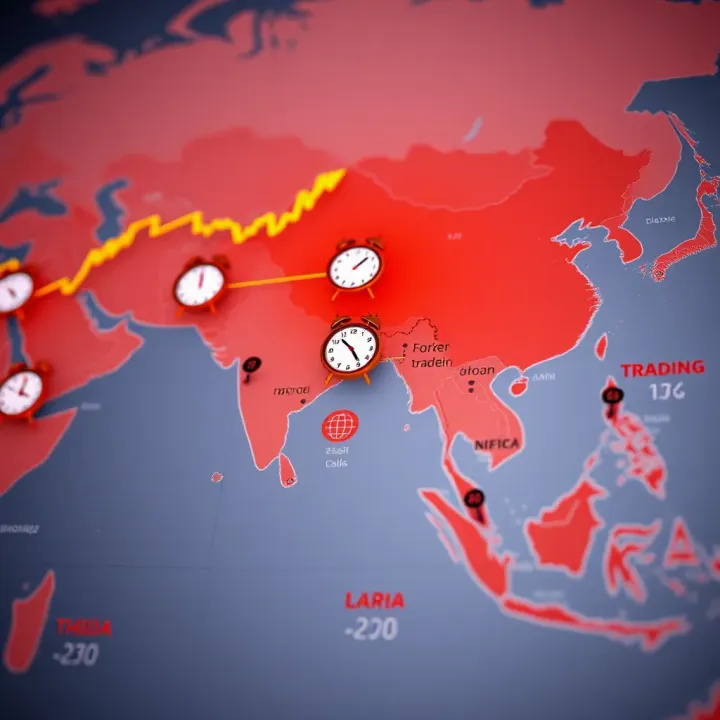
📈 Discover how Nigerian traders can trade smartly during the Asian forex session. Learn key hours⏰, currency impact 💹, and tailored strategies for success.
Learn how spreads affect your forex trades 💹 Understand types, broker roles, and smart strategies to manage costs in Nigeria's forex market 🇳🇬
Based on 9 reviews