

Best Trading Platforms for Nigerian Traders
🌍 Discover how to pick the best trading platform for Nigerian traders! Explore security, fees, features & user-friendliness to trade smartly and safely.
Edited By
Henry Mitchell
Choosing a solid trading platform is key if you want to protect your money and make smart investments in Nigeria. With the rise of online platforms offering access to stocks, forex, cryptocurrencies, and commodities, the challenge is separating real opportunities from scams or poorly run services.
Many Nigerian investors have lost funds by trusting platforms without proper verification. In this article, I’ll walk you through practical, clear steps to spot legitimate trading platforms that meet regulatory standards and deliver quality service.

Before opening any trading account, always check that the platform holds a valid licence from recognised Nigerian regulatory bodies such as the Securities and Exchange Commission (SEC) or the Nigerian Commodity Exchange. This licence is a strong sign of compliance and oversight.
A genuine platform will:
Display its licence number clearly on the website.
Use strong security systems like two-factor authentication (2FA) and encrypted data transfers to keep your funds safe.
Offer transparent trading fees, so you know exactly what you pay.
Provide reliable customer support channels that respond quickly to enquiries.
Platforms like GTI Securities and Meristem Securities come to mind, as they operate under strict SEC regulation and have solid reputations. On the other hand, beware of unfamiliar apps or websites promising unrealistic returns with little information on licensing or company background.
Always test the user experience before depositing large sums. A platform should be easy to navigate, with clear charts and tools for analysis. Poorly designed interfaces or vague information can signal a less trustworthy service.
Finally, do not ignore the importance of reviews from fellow Nigerian traders. Feedback from experienced users often highlights issues of withdrawal delays or hidden costs.
Knowing how to identify legitimate trading platforms means you can invest with confidence, reduce risk, and focus on growing your portfolio wisely in Nigeria’s fast-evolving financial market.
Knowing what defines a legitimate trading platform is essential for Nigerian traders aiming to protect their hard-earned money. A trustworthy platform ensures your funds remain safe, regulatory standards are met, and trading activities proceed transparently. Without this understanding, investors risk falling prey to scams or unreliable services that could wipe out their capital.
The Securities and Exchange Commission (SEC) Nigeria plays a key role in overseeing capital market activities, including regulating stockbroking firms and securities trading platforms. When a platform is registered with the SEC, it means the operator complies with Nigerian securities regulations designed to protect investors. For example, a legitimate equities trading platform will hold an SEC licence, demonstrating adherence to rules on transparency, client fund segregation, and reporting.
Conversely, the Central Bank of Nigeria (CBN) licenses operators involved in forex and cryptocurrency trading. Since forex and crypto markets sit outside the traditional securities space, CBN regulation ensures these platforms meet standards for money laundering prevention, secure fund handling, and lawful forex operations. Nigerian forex brokers and crypto exchanges should ideally display their CBN licences or approvals to gain user confidence and legal standing.
Verifying licences requires checking official registers maintained by SEC Nigeria and CBN. Investors can request licence numbers from platforms and cross-check them against SEC or CBN publicly available lists. Be wary of dealers who avoid sharing licence details or present dubious documentation. Verifying registration not only ensures legal compliance but also signals a lower risk of fraud.
Assessing the company’s history and physical presence is another vital step. Reliable platforms often have established offices in major cities like Lagos or Abuja. Visiting or confirming these addresses helps build assurance that the business is real and accessible. For example, a platform headquartered solely as a web address without verifiable local offices should raise questions.
Publicly available financial reports further show the company’s health and track record. Even if limited, annual reports or audited accounts signal accountability. Platforms that regularly publish their financials tend to be more stable and committed to investor protection. Lack of such disclosures can imply hidden risks or inconsistent operations.
Understanding the ownership and management structure adds another layer of confidence. Clear information about founders, directors, and key executives reduces the chance of anonymous or shadowy operators running the platform. Nigerian traders should research leaders’ reputations in the financial industry or check for professional recognitions, such as relevant certifications or affiliations with bodies like the Nigerian Stock Exchange (NGX) or the Chartered Institute of Stockbrokers.
Remember: A legitimate trading platform in Nigeria combines proper licensing, transparent business practices, and clear management to provide a foundation of trust for investors. Always take time to verify these elements before committing funds.
This section arms you with practical knowledge to discern credible trading platforms from those likely to take advantage. The next steps involve checking platform security, user experience, and customer support to complete your due diligence.

Security is a major concern when choosing a trading platform in Nigeria. Given the rise in online scams and cyber threats, investors must prioritise platforms that have strong security measures to protect their data and funds. A platform with robust security builds trust and prevents losses from hacking or fraud. Assessing key security features helps you avoid costly mistakes and ensures your investments remain safe.
SSL certificates and secure connections are fundamental for any legitimate trading platform. SSL (Secure Socket Layer) encrypts the data exchanged between your device and the platform's servers. This prevents hackers from intercepting sensitive information like passwords or bank details during transactions. Whenever you visit a trading site, check for "https://" and a padlock icon in the browser bar. These signs indicate your connection is secured.
For example, a platform without SSL might expose your login credentials if you use public Wi-Fi, increasing the risk of unauthorised access. Legitimate Nigerian platforms such as Kuda and GTBank’s investment portals prioritise SSL to protect customers’ information.
Two-factor authentication (2FA) options add an extra layer of security beyond just passwords. With 2FA enabled, you’ll need to verify your identity using a second factor like a text message code or an authenticator app. This step stops attackers from logging in even if they steal your password.
In Nigeria, where phishing attacks and SIM swaps are common, 2FA greatly reduces risk. Platforms that offer 2FA, such as Flutterwave or Paystack’s merchant dashboard, protect users against fraudulent logins. Always activate 2FA for your trading accounts to reinforce your defence.
Segregated accounts for client funds mean that a trading platform holds users’ money in separate bank accounts, distinct from the company’s operating funds. This segregation protects investors if the company faces financial trouble or bankruptcy. Using separate accounts ensures client money isn’t mixed with the platform’s own capital and reduces chances of misuse.
In practice, Nigerian regulators require SEC-licensed brokers to maintain segregated accounts to protect investor funds. For example, if a Nigerian stockbroker maintains a dedicated client account with Zenith Bank, your funds will be safe even if the broker encounters liquidity issues.
Withdrawal procedures and timeliness can reveal much about a platform’s reliability. Legitimate platforms have clear, simple withdrawal processes and handle requests promptly—usually within 24 to 72 hours. Delays or obscure policies may signal poor fund management or attempts to withhold your money.
Platforms like Cowrywise and Piggyvest demonstrate quick withdrawal services in Nigeria’s fintech space, helping build confidence. Traders should pay attention to terms and test withdrawals early to avoid surprises. If a platform routinely stalls or complicates withdrawals, that should raise red flags.
Always verify a trading platform’s security features before committing your ₦ funds. Good practices like encrypted connections, 2FA, segregated accounts, and swift withdrawals guard against many common risks faced by Nigerian investors.
By carefully assessing these platform security measures, you protect yourself from cyber risks and increase your chances of a secure and successful trading experience.
In choosing a trustworthy trading platform, the way you interact with it plays a major role. User experience and the features offered can either simplify your trading journey or make it a headache. Platforms that combine ease of use with practical tools allow investors and traders in Nigeria to execute trades quickly and make informed decisions without unnecessary fuss or delays.
A trading platform's mobile app availability and responsiveness are indispensable for contemporary Nigerian traders and investors. Since most Nigerians rely heavily on smartphones for internet access, a well-designed mobile app means you can monitor markets, place orders, and manage your portfolio anywhere, especially during busy days or when commuting in Lagos traffic. If the app is slow or clunky, you risk missing lucrative opportunities or getting frustrated enough to quit.
Equally important is how the platform supports local payment methods. Integration with USSD codes, bank transfers, and popular e-wallets such as Paga or Opay streamlines funding and withdrawals. For example, using USSD means even traders without smartphones or limited internet access can transfer funds securely and conveniently. Without these options, you might be forced to rely on less familiar, slower international payment methods, which can add unnecessary delays and extra charges.
A wide range of assets, including stocks, forex, cryptocurrency, and commodities, lets you diversify your portfolio effectively. If a platform offers just forex, for instance, but you want exposure to MTN shares or gold, you may be missing out. Nigerian investors especially benefit from platforms offering local and global assets, as this matches different risk appetites and investment goals.
On top of that, quality charting tools and market analysis features are indispensable for making smart trades. Platforms that provide real-time price charts with technical indicators like moving averages or RSI help you spot trends early. Additionally, access to market news and expert commentary tailored for Nigerian markets boosts your insight. Without these, you might blindly guess when to buy or sell, which can lead to poor outcomes.
A platform that’s easy to use, works well on mobile devices, supports local payments, and boasts solid trading tools takes you a long way toward confident and effective investing in Nigeria.
Overall, pay attention to how intuitively you can navigate the platform, whether your preferred assets are available, and if the system helps you analyse markets properly. This way, you avoid surprises and position yourself to maximise your ₦ investment returns.
A reliable trading platform must offer solid customer support and educational materials. This not only helps users navigate technical challenges but also empowers them with the knowledge to make informed trading decisions. For Nigerian traders who face unique market conditions and regulatory environments, these services become even more valuable.
Response times via calls, live chat, and email are key indicators of a platform’s commitment to user satisfaction. Fast and efficient responses can make a big difference when traders encounter urgent issues like transaction errors or access problems. For instance, a legitimate platform like Access Bank’s trading portal offers prompt live chat and telephone support during Nigerian business hours, reflecting its dedication to client help.
Email support should also be timely and helpful, especially for more complex concerns that require detailed explanations. Traders should watch out for platforms that take days to reply or provide generic answers, as these often signal weak customer service.
Having a Nigerian local support team significantly improves customer experience. Local agents understand the country’s banking systems, common challenges with internet access, and even local languages or pidgin, which can make communication clearer. Platforms resourcing support staff within Nigeria, such as GTBank’s online trading desk, can respond more effectively to local issues, giving users peace of mind and quicker resolutions.
Webinars, tutorials, and blogs designed specifically for Nigerian traders are essential for education. They cover topics like how to navigate CBN rules on foreign exchange or using local payment methods such as USSD and Flutterwave. For example, a platform hosting monthly sessions explaining recent changes in the Nigerian forex market helps traders stay updated and avoid costly mistakes.
Educational content that resonates with local realities — like adapting to intermittent power supply and understanding naira volatility — adds practical value beyond generic guides.
Active user communities and forums provide spaces where traders share experiences, tips, and alerts on potential scams. A lively forum dedicated to Lagos-based investors or crypto traders in Nigeria can reveal grassroots insights not found in official materials. Joining such communities also encourages accountability, as dubious platforms usually lack genuine user engagement.
Good customer support combined with tailored educational resources not only protects your funds but also sharpens your trading skills in Nigeria’s fast-evolving financial markets.
Together, these factors help ensure you pick a trading platform that stands by you beyond just executing trades, boosting your chances of success and safety in the process.
When choosing a trading platform in Nigeria, recognising warning signs can save you from costly mistakes. Many fraudulent platforms use clever tactics to lure investors, but certain red flags often reveal them. These signs help you avoid platforms that might put your funds or personal data at risk.
Guarantees of high returns with little or no risk usually indicate a scam. Trading markets, whether forex, stocks, or cryptocurrencies, are volatile and subject to unforeseeable changes. No genuine platform will promise fixed profits or assure gains every time because that simply isn’t how investing works.
Fraudulent schemes often highlight “easy money” to attract inexperienced traders. For example, a platform claiming you’ll double your ₦500,000 investment in a week without clear explanations should raise suspicion. Understanding that trading comes with risks — including losses — is essential before committing your money.
Reading the fee schedule carefully is crucial. Legitimate platforms list all charges transparently, including trading fees, withdrawal costs, and inactivity penalties. Before signing up, users should look for these details in clear, accessible sections, not buried in lengthy terms and conditions.
Hidden fees can significantly reduce your returns. Imagine investing ₦1 million on a platform that charges undisclosed withdrawal fees or harsh currency conversion rates. You might see your earnings vanish because of unexpected deductions. Always calculate potential fees and their effects on your investment before proceeding.
Inaccessible customer service channels often signal trouble. Reputable trading platforms provide multiple contact options — phone numbers, emails, or live chat — with reasonably quick response times. If you find only a generic email or no direct way to reach support, think twice before trusting the platform.
Unverifiable business addresses also point to possible scams. Many fraudulent platforms list fake office locations or refuse to provide physical addresses. Try verifying the address through Google Maps or Nigerian corporate registries. Genuine platforms usually have a registered office, often visible on their website or regulatory body listings.
Always verify who you're dealing with. A legit platform will stand by its commitments, offer transparent information, and be easy to reach when you need help.
Spotting these red flags early saves you from falling into traps set by unscrupulous operators. Keep these warnings in mind to protect your investments and trade with confidence.
🌍 Discover how to pick the best trading platform for Nigerian traders! Explore security, fees, features & user-friendliness to trade smartly and safely.
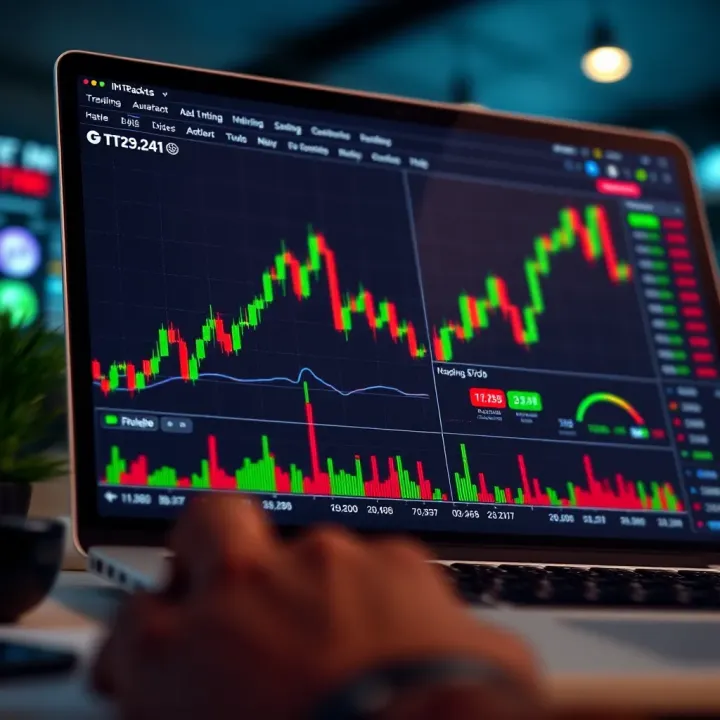
🔍 Find the best online trading platform in Nigeria! Compare features, fees & security to pick the right fit for your trading goals. Make informed choices today.
Explore top copy trading platforms in Nigeria! Learn about key features, risks, and tips to boost your investment success 📈💼🇳🇬
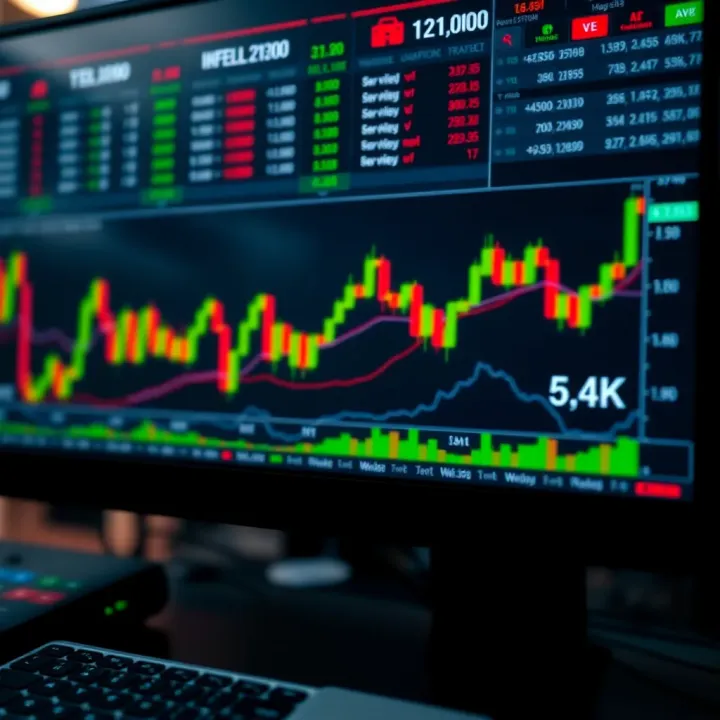
Explore binary options trading platforms in Nigeria 📊. Learn how they work, spot risks, and find tips to pick reliable, safe platforms 💡.
Based on 11 reviews