
How to Withdraw from Bybit to Nigerian Bank Account
Learn how to withdraw from Bybit to your Nigerian bank account easily. Follow step-by-step guides on fees, timelines, security tips, and managing ₦ exchange rate shifts 💸🏦
Edited By
Oliver Spencer
Withdrawing from Bybit as a Nigerian user doesn't have to be complicated. Whether you're a trader cashing out profits or an investor reallocating funds, knowing the exact steps can save you time and avoid costly mistakes. This guide walks you through the withdrawal process clearly, focusing on what Nigerians should expect and prepare for.
Bybit, a popular cryptocurrency exchange, supports various digital assets, but the withdrawal rules and fees can catch some users off guard. For instance, withdrawal transactions are subject to network fees that vary depending on the token and blockchain congestion. Plus, Nigerians often deal with the challenge of converting crypto back to naira smoothly.
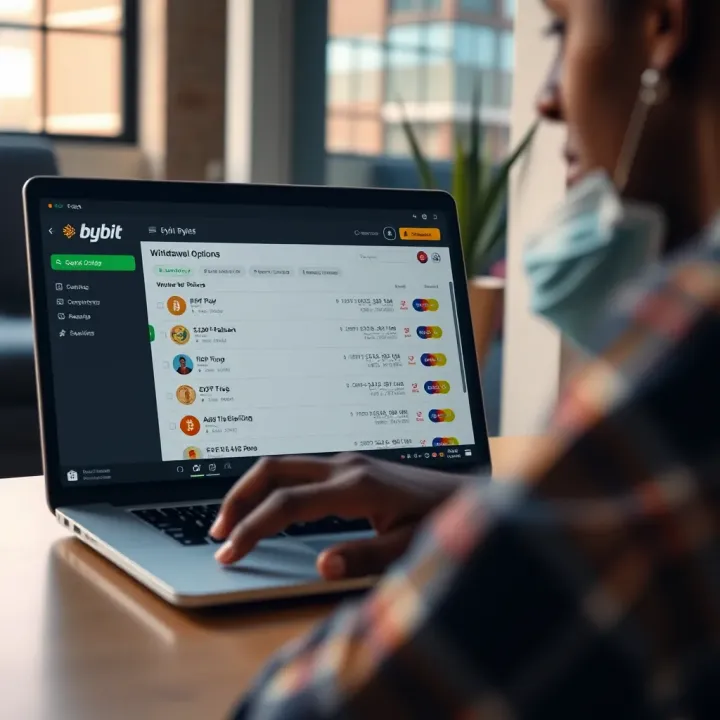
Before initiating a withdrawal, ensure your Bybit account is fully verified, including Know Your Customer (KYC) steps. Verification is mandatory to comply with anti-money laundering requirements and also helps secure your transactions.
Remember, unverified accounts cannot withdraw funds, so completing this step early saves frustration later.
You can withdraw crypto to external wallets like Trust Wallet, Binance, or even local crypto platforms that support naira conversion. However, Nigerians should double-check the recipient address carefully because sending crypto to an incorrect wallet or to tokens on incompatible blockchains can result in permanent loss.
Confirm your account is KYC-verified
Understand the withdrawal fees and how they affect your total amount
Use secure wallets with strong security protocols
Check withdrawal limits, which can be daily or monthly depending on account level
In the following sections, you'll find detailed steps on how to request withdrawals from your Bybit account, manage fees, avoid common issues Nigerians face, and keep your funds safe during the process. With this knowledge, you’ll navigate withdrawals confidently and avoid common pitfalls that trip up many first-timers.
Setting up your Bybit account properly is the foundation of a smooth withdrawal experience. Without completing the necessary steps—like verification and linking withdrawal methods—withdrawals can be delayed or even blocked. For Nigerian users, where regulatory compliance and security are especially vital, these steps help prevent fraud and ensure funds move safely and efficiently.
Bybit requires users to submit valid identification documents to comply with international know-your-customer (KYC) rules. This means you will need to upload a government-issued ID such as your National Identity Number (NIN), international passport, or driver’s licence. For example, a trader in Lagos who submits a clear passport photo and NIN will speed up verification and avoid withdrawal limits.
This step is not just regulatory red tape; it enhances account security and protects you from fraudulent activities. Without proper verification, your withdrawal options might be restricted, or Bybit can block transactions when suspicious activity arises.
Turning on Two-Factor Authentication (2FA) adds an extra layer of security on your Bybit account. Once enabled, each login or withdrawal request requires a one-time code from an app like Google Authenticator or Authy.
Why does this matter? Even if someone gets hold of your password, 2FA makes it almost impossible for them to access your funds. Especially in Nigeria where phishing attacks are common around ember months, this added security measure is a must-have for anyone serious about safely managing crypto assets.
To withdraw cryptocurrency from Bybit, you must link the external wallet addresses where you want your crypto sent. Enter these addresses carefully; even one wrong character can result in permanent loss of funds. For instance, sending Bitcoin to an Ethereum address is irreversible.
Having multiple wallet addresses saved for different cryptos helps streamline future withdrawals. Nigerian users often keep wallets on platforms like Blockchain.com or Trust Wallet for easy access and control.
Bybit supports withdrawal to Nigerian bank accounts indirectly through payment partners. Linking your Nigerian bank account involves providing account details and sometimes verifying ownership by small test deposits.
Once linked, you can convert your crypto to Naira and withdraw directly, avoiding the hassle of peer-to-peer platforms. Platforms such as Paystack or Flutterwave often facilitate these fiat conversions seamlessly, making the withdrawal process much more straightforward for Nigerians.
Always double-check wallet addresses and bank details before confirming withdrawals to save yourself from costly mistakes.
Setting your account up with these steps ensures you face no hitches when you need to withdraw your hard-earned funds. Taking time to do this fully now avoids stress later, especially given the evolving Nigerian regulatory landscape and the volatility of crypto markets.
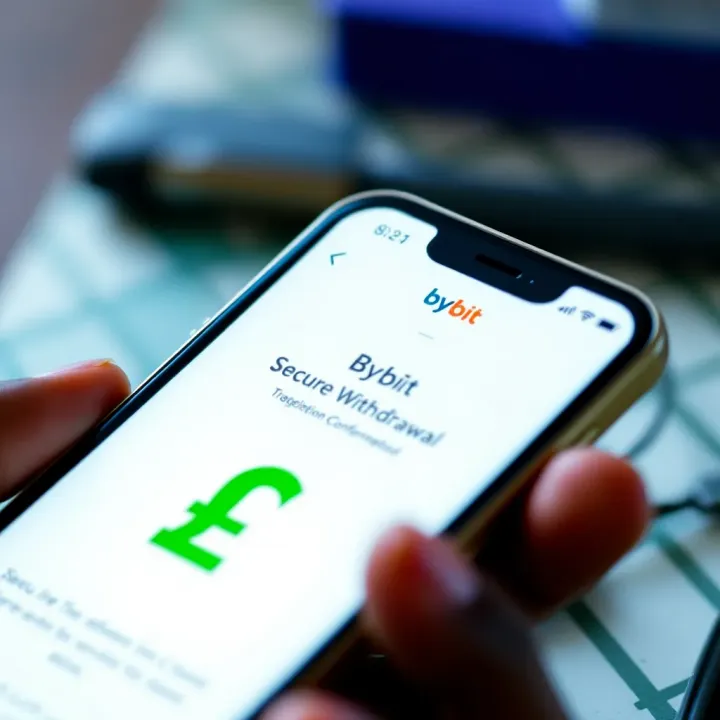
Withdrawing funds from Bybit involves clear, practical steps that every Nigerian trader should master to move their money safely out of the platform. Following a step-by-step approach helps prevent avoidable mistakes like sending funds to the wrong wallet or failing verification checks. It also ensures you understand the specifics of each withdrawal stage, especially when dealing with crypto assets or linking bank accounts.
To start withdrawing, log in to your Bybit account and navigate to the "Assets" or "Wallet" section. Here, you'll find the option labelled "Withdraw". This area is the gateway to pulling your funds off the exchange. For example, if you want to cash out from your Bitcoin holdings, you must first click Withdrawal before choosing Bitcoin. The layout is straightforward but requires caution to ensure you are not selecting deposits or transfers, which are distinct.
Once in the withdrawal section, select the exact cryptocurrency or asset you want to take out. Bybit supports multiple coins such as Bitcoin (BTC), Ethereum (ETH), and USDT. Choosing the right asset is vital because sending the wrong cryptocurrency to a wallet not designed for it can result in permanent loss. Nigerian users often keep crypto in their wallets for trading or investment, so picking the correct asset aligns with their financial goals.
After selecting your asset, input the withdrawal address carefully. This is the wallet address where you want the funds sent, such as your personal crypto wallet or a platform wallet that supports naira withdrawals. Always double-check this address: even a minor error can mean losing your crypto irreversibly. Specify the amount to withdraw, ensuring it meets Bybit’s minimum withdrawal limits.
Always copy and paste wallet addresses instead of typing them out manually to reduce the risk of errors.
One-Time Password (OTP) Verification is a crucial security step. When you initiate a withdrawal, Bybit sends a unique, time-limited code to your registered phone or authentication app. Entering this OTP confirms that you authorised the transaction. This step protects users by making sure only the account owner can approve withdrawals, guarding against unauthorised access.
Email Confirmation Procedures add another layer of security. After inputting withdrawal details and OTP, Bybit may send a confirmation link or code to your email. Clicking the link or entering the code finalises the withdrawal request. This practice helps prevent fraudulent withdrawals due to hacker attempts, since accessing your email is an additional hurdle.
Together, these security measures build confidence that funds leave your Bybit account safely and only when you give permission. Traders and investors in Nigeria should always keep their registered phone numbers and email accounts secure to avoid interruption in this verification process.
This step-by-step withdrawal process helps make moving funds straightforward and safe, aligning well with Nigerian market realities where trust and convenience matter significantly for crypto investing and trading.
Knowing the fees and processing times involved in withdrawing from Bybit is key especially for Nigerian users looking to manage costs and plan their finances. Withdrawal fees directly affect how much you finally receive, while processing times determine how soon you can access your funds. Without grasping these details, you risk surprises that can disrupt your investment strategy or cash flow.
Bybit charges both fixed and variable fees depending on the cryptocurrency you withdraw. For instance, withdrawing Bitcoin (BTC) usually involves a network fee that fluctuates with blockchain congestion, whereas certain tokens might have a set fixed fee regardless of amount. This matters because a ₦50 fee on a ₦500,000 withdrawal is hardly a burden, but the same fee on ₦10,000 becomes costly.
Users should always check the fee details before confirming withdrawal. Bybit transparently lists fees, so you can decide if it’s better to withdraw in one lump sum or split into smaller amounts based on fee impact. For example, Ethereum (ETH) fees might rise sharply when the network is busy, so timing withdrawals during off-peak periods can save money.
Withdrawals depend on network confirmation times, which vary by cryptocurrency. Bitcoin may take between 10 and 30 minutes for transactions to be fully confirmed on the blockchain. In contrast, stablecoins like USDT on the Tron network might clear within minutes. For Nigerian users juggling urgent expenses, understanding these timelines is crucial to avoid delays.
Network congestion can increase confirmation times. At busy periods, transactions may wait longer for validation, causing withdrawals to lag. Notably, these delays are not Bybit’s fault but depend on blockchain activity. To avoid frustration, keep track of blockchain status via reliable platforms before initiating withdrawals.
Remember to factor in network conditions and fees to optimise withdrawal timing. That way, you reduce unnecessary costs and delays.
Besides network times, peak periods can slow processing on Bybit itself. During major market events or ember months when trading spikes, Bybit experiences higher withdrawal requests, potentially causing extra delays. Nigerian traders planning withdrawals around festive seasons or market volatility should prepare for such bottlenecks.
If you encounter longer wait times, patience is required as these usually clear within hours or a day. Contacting Bybit support only helps when withdrawals remain unprocessed for unusually long periods beyond typical delays.
Understanding these fee and timing considerations empowers Nigerian Bybit users to withdraw smarter, optimise costs, and better manage access to their funds.
Withdrawing funds from Bybit should be straightforward, but several common issues could trip up Nigerian users. Knowing these problems and how to fix them not only saves time but also protects your hard-earned money. Below, we break down the most frequent withdrawal hiccups and practical ways to handle them.
One common stumbling block is having less than the required minimum amount for a withdrawal. Bybit enforces minimum withdrawal limits for different cryptocurrencies, meaning you can’t move out tiny sums. For example, if the minimum withdrawal for Bitcoin is 0.001 BTC, trying to send 0.0005 BTC will result in an error. It’s essential to check these minimums before initiating a withdrawal.
Another point is accounting for fees. If your wallet shows what you think is enough — say ₦500,000 worth of crypto — but the withdrawal fee is deducted additionally, the remaining balance might drop below the minimum, causing the transaction to fail. Always check your available balance net of fees.
If you’re close to minimum limits, consider consolidating smaller balances from multiple trades or activities before withdrawing.
A major cause of failed or lost transactions is entering the wrong wallet address. Crypto transfers are irreversible; a single d character can send your funds into thin air. Nigerian traders often juggle several wallets across platforms — for instance, Metamask, Trust Wallet, or Binance Wallet — so double-checking your address is crucial.
To avoid this, copy and paste wallet addresses instead of typing manually. Cross-verify the copied address with the source. Some users also test with a small withdrawal first to ensure correctness.
Mistakes can also arise when withdrawing tokens from Layer 2 or sidechains without considering the correct network. For example, sending Ethereum tokens to a Binance Smart Chain address without bridge services leads to loss. Always confirm the network compatibility on Bybit’s withdrawal page.
Bybit enforces strict KYC (Know Your Customer) and AML (Anti-Money Laundering) rules, especially for Nigerian users operating under local regulations. This can mean temporary withdrawal blocks if your account verification is incomplete or flagged for suspicious activity.
Verification problems are common if submitted documents are unclear or don't match your account details. For instance, submitting a driver's licence photo with glare or incomplete information often causes delays. Nigerian users should ensure clear, recent ID scans and that names match exactly what is on the bank or crypto wallet account.
Account restrictions may also arise if you attempt withdrawals during suspicious trades or abused promotions. In such cases, contact Bybit support promptly with all relevant documents. Patience is necessary as resolution may take a couple of business days.
Safeguarding your crypto withdrawal experience on Bybit means understanding these issues inside out. It pays to be thorough and cautious, especially when handling sizeable amounts in ₦ equivalent.
By addressing these common hiccups, Nigerian traders can enjoy smoother, safer withdrawals and avoid frustrating delays or losses. Remember, proper preparation and attention to detail prevent avoidable mistakes when moving your funds.
Withdrawing funds on Bybit can be straightforward, but Nigerian users must pay attention to safety and efficiency. Handling your crypto assets without care may lead to lost funds, delays, or security risks. These tips focus on practical steps to protect your money and speed up withdrawals.
Protecting your account credentials is non-negotiable. Use strong, unique passwords and never share your login details with anyone, even if they claim to be support staff. Enable two-factor authentication (2FA) to add an extra security layer. For instance, apps like Google Authenticator offer a more reliable safeguard than SMS codes, which scammers may intercept.
Also, keep your devices clean from malware and spyware. Avoid accessing your Bybit account via public Wi-Fi or shared computers, especially at internet cafés or busy spots in Lagos. Instead, use a trusted personal device with updated antivirus software. Neglecting these precautions often leads to account breaches, which can result in irreversible loss of your funds.
One tiny mistake in the wallet address or withdrawal amount can cause permanent loss. Always verify the recipient address carefully before confirming a withdrawal on Bybit. Copy and paste addresses directly rather than typing manually, but even then, confirm the pasted string matches the intended address.
Confirm the network selected for withdrawal too. For example, withdrawing USDT on ERC-20 instead of TRC-20 might cause extra fees or delays if your recipient wallet only supports one network. For Nigerian users especially, mistakes in wallet addresses are common due to unfamiliarity with long crypto strings, so double-checking helps avoid costly errors.
The crypto space is fast-changing. Bybit periodically updates its withdrawal policies, security features, and fee structures. Staying updated allows you to avoid surprises like sudden fee hikes or new withdrawal limits. Subscribe to official Bybit announcements or check their website regularly.
Additionally, Nigerian regulatory guidelines on cryptocurrency sometimes evolve. The Central Bank of Nigeria (CBN) and Securities and Exchange Commission (SEC) may issue notices that affect how crypto platforms operate locally. Being aware of these changes helps you comply with rules and use Bybit within legal boundaries, preventing possible account freezes or transaction blocks.
Remember, vigilance and up-to-date knowledge are your best allies in managing Bybit withdrawals efficiently and securely.
To sum up, securing your account, carefully reviewing withdrawal details, and keeping abreast of updates protect you from avoidable losses and delays. These practical steps ensure a smooth transfer of your crypto assets from Bybit into your hands or Nigerian bank accounts.
Learn how to withdraw from Bybit to your Nigerian bank account easily. Follow step-by-step guides on fees, timelines, security tips, and managing ₦ exchange rate shifts 💸🏦
🔐 Learn how Nigerians can easily log in and secure their Bybit crypto accounts with practical tips on 2FA, password recovery, privacy, and smooth trading experience.

Discover ExpertOption 🖥️, a growing online trading platform in Nigeria 🇳🇬. Learn key features, account types, asset options, and tips to trade safely in ₦.

📱Start trading online in Nigeria today! Learn how to set up your platform, manage payments, handle delivery, stay secure, and follow local rules to grow your business.
Based on 5 reviews