

Understanding the Volatility 75 Index for Traders
Explore the Volatility 75 Index, its trading basics, key influences, and smart strategies 🏦. A practical guide for Nigerian traders aiming for success 📈.
Edited By
Isabella Evans
The Volatility Index, often called the VIX, measures how much the market expects prices to swing over the next 30 days. It’s sometimes known as the "fear gauge" because it spikes up when uncertainty or panic hits the market. For Nigerian traders, understanding and trading the VIX presents a different angle compared with the usual stocks or forex trading. Rather than betting on whether prices will go up or down, you’re positioning to benefit from the expected movement itself.
Trading VIX is particularly useful during periods like economic changes, elections, or global shocks—times when naira volatility and market jitters feel high. For example, during the recent ember months rush when inflation concerns grew, the VIX saw notable swings on international markets. Recognising these could offer profitable trades locally through derivatives or indexes linked to volatility.
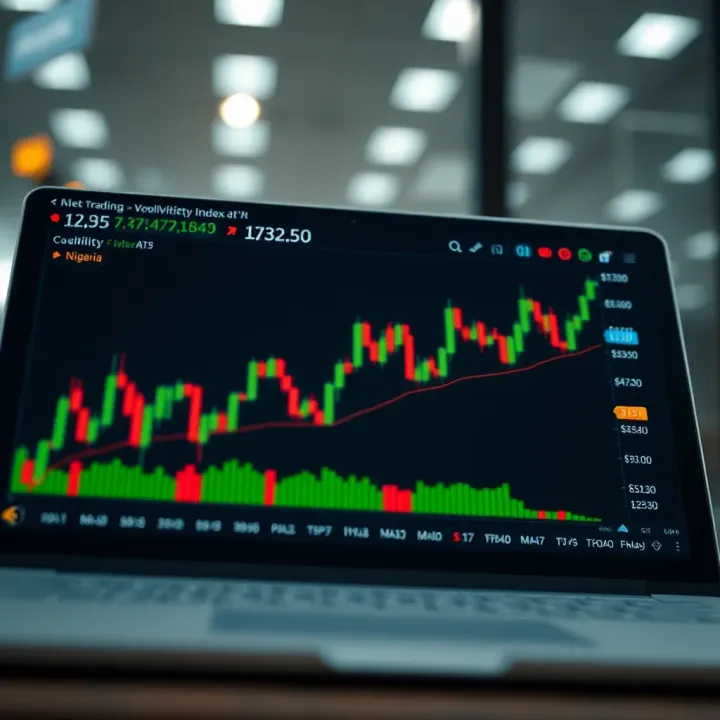
Volatility trading doesn’t rely on market direction but on the scale of price movements, making it a unique tool for Nigerian investors seeking to diversify risk.
Index Futures and Options: These instruments let you take positions on expected volatility without owning the underlying assets. For instance, platforms offering access to CBOE’s VIX futures allow Nigerians to trade based on volatility trends.
Exchange-Traded Products (ETPs): Some ETFs and ETNs track the VIX or volatility-related strategies. Traders can use these for easier access without owning complex futures.
Technical Analysis: Applying tools like Bollinger Bands and Average True Range (ATR) on volatility data helps catch timing for entry and exit points.
Monitor global triggers: Events like US Federal Reserve announcements or OPEC meetings often cause volatility ripples.
Use stop-loss orders: Volatility trades can swing sharply; managing downside risk is vital.
Blend with other assets: Include VIX trades to hedge equity or forex exposures.
Trading volatility requires discipline and a clear view of risk management, especially given market unpredictability here. But with practical strategies and a focus on market sentiment, Nigerian traders can turn market fluctuations to their favour, making the VIX a valuable tool in their portfolio mix.
The Volatility Index, commonly called the VIX, measures expected market fluctuations over the next 30 days. It's essentially a gauge of market fear or calm, calculated from the prices of options on major stock indices like the S&P 500. A rising VIX signals growing anxiety in the market, while a declining VIX often reflects confidence and steady conditions.
At its core, the VIX quantifies implied volatility, the market's prediction of future price swings. Unlike standard price indices that track asset values, the VIX looks at investors' expectations of risk. For example, if traders anticipate sharp market movements due to political unrest or significant economic announcements, option prices react accordingly, pushing the VIX higher. It does not predict direction but the magnitude of potential price changes.
Because the VIX responds to market uncertainty, it acts like a thermometer for investor emotion. When the market suddenly drops, fear spikes and the VIX jumps as more traders scramble to hedge their positions, buying protective options. Likewise, during calm periods, the VIX remains subdued. In this way, the index serves as a real-time barometer for risk appetite. Nigerian traders can observe VIX trends as signals for when the market mood shifts and adjust strategies accordingly.
Nigeria's financial landscape faces frequent shocks—currency swings, policy changes, and sometimes political events. These factors often create abrupt market reactions. Understanding the VIX helps Nigerian investors anticipate and manage risk. For example, during naira volatility spikes or ahead of budget announcements, the VIX may rise, signalling heightened uncertainty. By tracking the index, traders can decide when to reduce exposure or hedge portfolios.
For Nigerian traders, the Volatility Index is more than just a number—it’s a practical tool that helps navigate turbulent markets effectively, especially when local economic factors intensify price swings.
Recognising how the VIX ties to both global and local events can improve trading decisions. It’s not just for advanced traders; even beginners stand to benefit by linking VIX movements to familiar market triggers like fuel subsidy debates or election cycles.
In brief, learning what the Volatility Index shows, how it mirrors investor sentiment, and why it's crucial for Nigeria’s markets will give you a strong foundation for trading volatility confidently and smartly.
Trading the Volatility Index (VIX) requires a solid grasp of the instruments and timing involved. This section explains the main tools traders use and how understanding volatility patterns can boost your trading edge. For Nigerian investors, where market swings can be sharp, mastering these fundamentals is especially useful.
Volatility Index CFDs (Contracts for Difference) typically allow traders to speculate on the VIX without owning the actual asset. CFDs mirror the price movements of the index, so you can open positions based on whether you expect volatility to rise or fall. For example, a Nigerian trader might use CFDs to capitalise on political tensions or oil price shocks affecting the market, without needing to buy or sell underlying assets.
CFD trading is popular because it provides flexibility with smaller capital and the ability to use leverage. However, leverage must be handled carefully, especially given Nigeria’s regulatory environment and foreign exchange considerations.
Options and Futures linked to the Volatility Index provide another route to VIX exposure. Futures contracts allow you to agree on the price of volatility at a future date. Options give you the right, but not the obligation, to buy or sell futures at set prices. Both instruments are widely used by professional traders globally to hedge portfolios or speculate on market fear.
In Nigeria, access to these instruments may require international brokers since local markets rarely offer direct VIX options or futures. For instance, a hedge fund manager might buy VIX futures ahead of expected market instability to offset losses in equities.
Timing trades around volatility is just as critical as choosing the right instrument. Volatility tends to spike during economic releases, political developments, or corporate earnings seasons. Recognising these patterns is key to catching profitable moves.
For example, Nigerian markets often experience increased volatility during key events such as CBN policy rate announcements or during gubernatorial elections. Traders can monitor economic calendars and news flow closely to anticipate these moves.
Volatility also exhibits cycles; it may rise sharply but settle gradually. Understanding these patterns can help you decide when to enter or exit positions. Combining technical analysis with the news context improves market timing, allowing you to better manage risk and potential rewards.
Effective volatility trading blends knowledge of market instruments and keen attention to timing. This combination helps Nigerian traders navigate rapid market shifts profitably.
By mastering the instruments and recognising when volatility may surge or subside, Nigerian investors can position themselves to trade the Volatility Index with greater confidence and precision.
Practical strategies are essential for trading the Volatility Index effectively, especially in Nigeria’s dynamic financial market. These approaches help you capitalise on fluctuations without exposing your portfolio to unnecessary risk. Knowing how to tactically enter and exit trades, or hedge your assets over time, provides a solid edge in volatile conditions.
Scalping focuses on quick trades to benefit from short bursts of volatility spikes. Since the Volatility Index (VIX) often reacts sharply to market events, scalpers aim to buy when the index drops to low levels and quickly sell when it jumps. In Nigeria, with limited access to some specialised instruments, traders can use Contracts for Difference (CFDs) linked to the VIX on international platforms to scalp these fast moves.
This method demands keen attention and fast execution. For example, during market jitters caused by foreign exchange fluctuations or fuel scarcity reports, VIX tends to spike momentarily. A scalper can open and close positions within minutes, pocketing small, frequent gains. It's suitable for traders comfortable with high pressure and rapid decisions.
Volatility surges around scheduled macroeconomic announcements like Central Bank of Nigeria (CBN) monetary policy meetings or oil price releases. Day traders here study the calendar, focusing on these events to anticipate volatility expansions and contractions. An effective strategy involves opening positions just before such events and closing them soon after to avoid overnight risks.
For instance, if the CBN unexpectedly adjusts the monetary policy rate, markets often react instantly, causing the VIX to jump. Day traders in Lagos or Abuja can benefit by closely following these events and using platforms like MetaTrader or MT4 provided by brokers to enter timely trades. This approach requires good news analysis and quick reflexes.
Beyond short trades, investors holding Nigerian equities or foreign assets use the VIX to protect their portfolios. When broad markets look shaky, buying volatility instruments can offset losses in stocks since VIX usually moves inversely to the equities market.
For example, a Nigerian investor concerned about naira depreciation impacting blue-chip stocks or mid-cap shares listed on the Nigerian Exchange Group (NGX) could hold VIX options or futures contracts. This position acts as insurance. If markets plunge amid economic uncertainty, gains from volatility trades can cushion portfolio declines, reducing overall risk exposure.
Trend followers observe longer volatility cycles and position themselves to ride sustained moves. The VIX tends to remain elevated during crisis periods and settles lower during stable times. Tracking these trends with technical tools helps in setting mid to long-term trades.
A trader might use moving averages or Relative Strength Index (RSI) indicators on the VIX chart to decide when to enter or exit trades. For instance, during Nigeria’s ember months, when market activity slows but geopolitical risk may rise, spotting a volatility uptrend early allows strategic positioning ahead of bigger market changes. Trend following suits patient traders who prefer holding positions over days or weeks rather than minutes.
Trading the Volatility Index demands a combination of quick reflexes for short-term moves and strategic thinking for longer-term protection. By applying scalping, event-driven day trades and hedging plus trend following, Nigerian traders can navigate the markets with more confidence and control.
Trading the Volatility Index (VIX) in Nigeria demands a sharp focus on risk management. Volatility itself is about unpredictability, meaning prices can swing wildly within minutes. Without careful risk control, losses can mount quickly, wiping out gains and capital. Nigerian traders must understand these risks to protect their investments and trade more confidently.
Volatile markets pose unique challenges because sudden news or economic events can trigger swift moves in price. For Nigerian investors, local factors like political developments or CBN policy changes can add layers of uncertainty. For example, naira fluctuations and fuel scarcity often cause broader market nervousness, leading to spikes in volatility. This unpredictability means timing trades incorrectly can lead to heavy losses.
Besides market swings, liquidity can dry up during turbulent periods, especially with smaller or less liquid instruments linked to the Volatility Index. This makes exiting positions tricky and may widen spreads, increasing trading costs. Recognising these challenges helps traders avoid entering positions blindly during peak volatility.
A practical way to manage risk is to set stop losses, which automatically close a trade once losses hit a set amount. Nigerian traders often overlook this, thinking they can time rebounds perfectly. However, the VIX can jump sharply, hitting stop-loss thresholds faster than expected. Setting sensible stop losses based on your risk tolerance prevents facing huge losses at once.
Position limits also help by controlling how much capital you expose to volatility trading at any time. For instance, if you allocate ₦100,000 to volatility trades, you might decide to never put more than ₦20,000 in a single position. This spreads risk across trades and reduces the chance of a single bad move ruining your portfolio. Strict discipline around these limits is vital for sustainable trading.
Leverage amplifies both profits and losses. Many Nigerian brokers offer leverage on volatility trades, sometimes 1:10 or higher. While this may seem attractive, the volatile nature of the VIX can quickly erode your margin if the market moves against you. You may receive a margin call demanding more funds or face forced liquidation of your position.
Nigerian regulators and brokers often set margin requirements based on both global standards and local market conditions. These margin levels ensure traders maintain enough equity to cover potential losses. Knowing your broker’s margin terms and calculating potential exposure helps you avoid unexpected calls.
For example, if a volatility CFD requires a 10% margin, a ₦1,000,000 position means you must have at least ₦100,000 in your trading account. A 5% negative price move would wipe your entire margin. Hence, conservative leverage use and keeping additional funds as buffer reduces risk.
Managing risks actively—through stop losses, position limits, and cautious leverage—is the backbone of trading the Volatility Index successfully, especially given Nigeria's unique market environment.
By addressing volatility-specific challenges, setting strict trade controls, and understanding leverage impacts, Nigerian traders can navigate the volatility index market more safely and improve their chances of steady returns.
Selecting the right broker and trading platform is a key step when dealing with the Volatility Index in Nigeria. A broker acts as the gateway to the global markets, and their offerings, reliability, and regulatory compliance directly affect your trading experience and potential success. Since volatility trading demands quick execution and reliable access to real-time data, choosing a broker that fits Nigerian market conditions and provides effective tools is essential.
When picking a broker for trading the Volatility Index, start with their regulatory status. Look for brokers licensed by reputable authorities like the UK’s FCA, CySEC, or Nigeria’s SEC. This offers some protection from fraud and questionable practices. Also, check if they support access to volatility instruments such as VIX CFDs or futures.
Execution speed and platform stability matter a lot since volatility trading often involves short-term positions. A broker with slow execution or frequent downtime can easily cause losses. Additionally, transparent fee structures including spreads, commissions, and overnight costs should be clear, avoiding hidden charges that could erode your gains.
Since Nigerian traders often face issues with deposit and withdrawal ease, the broker must support local payment options like bank transfers from GTBank, Access Bank, or convenient e-wallets such as Paystack or Flutterwave. Customer support that understands Nigerian market challenges adds significant value.
Many Nigerian traders prefer international brokers due to their direct access to the Chicago Board Options Exchange (CBOE) Volatility Index (VIX) or related instruments. Brokers like IG, Saxo Bank, or Interactive Brokers allow trading of VIX futures and options on global platforms offering tight spreads and advanced analytical tools.
Using such platforms gives Nigerian investors real-time exposure to the VIX, allowing sophisticated strategies like hedging or speculative trades. However, be aware of foreign exchange fees and potential regulatory differences. These brokers often require higher minimum deposits and careful compliance with Nigerian forex policies.
On the other hand, some Nigerian brokers have begun offering volatility-related products through Contracts for Difference (CFDs) or structured products tied to volatility indices. These brokers operate under Nigerian SEC regulation, which can provide peace of mind on compliance and ease of local transactions.
Though these products may not be direct VIX futures, they allow traders to participate in volatility plays with smaller capital and simplified access. Brokers such as IvestX and Meristock provide platforms customised for Nigerian clients, with deposits and withdrawals in naira and local customer service.
Choosing wisely between international and local brokers involves weighing access to specific products against convenience, cost, and regulatory assurance. Evaluate your trading goals carefully before settling.
In summary, Nigerian traders must prioritise broker reliability, product access, cost transparency, and payment ease. This approach will ensure better control of your volatility trades while navigating local market realities efficiently.
Explore the Volatility 75 Index, its trading basics, key influences, and smart strategies 🏦. A practical guide for Nigerian traders aiming for success 📈.
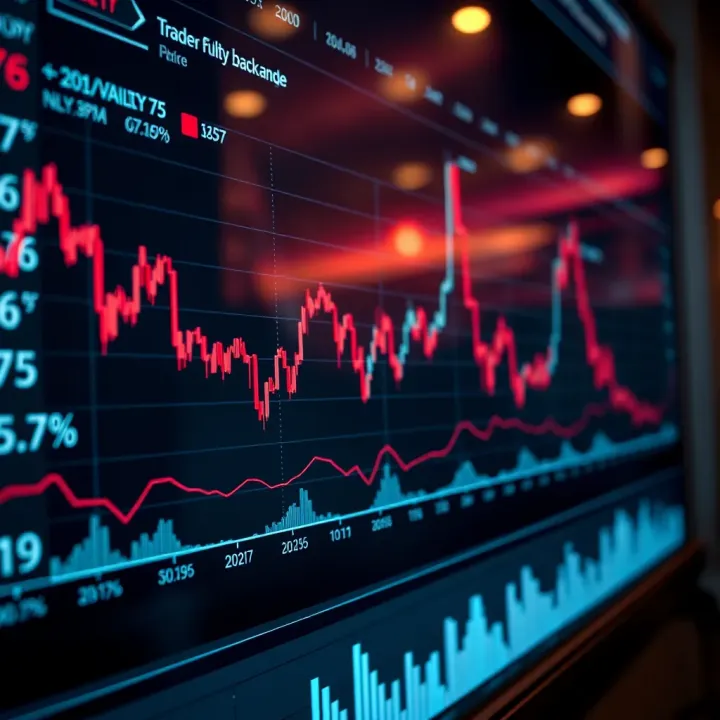
📈 Dive into the Volatility 75 Index chart! Learn to read it, understand key drivers, and get practical tips tailored for Nigerian traders’ success.
📱Start trading online in Nigeria today! Learn how to set up your platform, manage payments, handle delivery, stay secure, and follow local rules to grow your business.
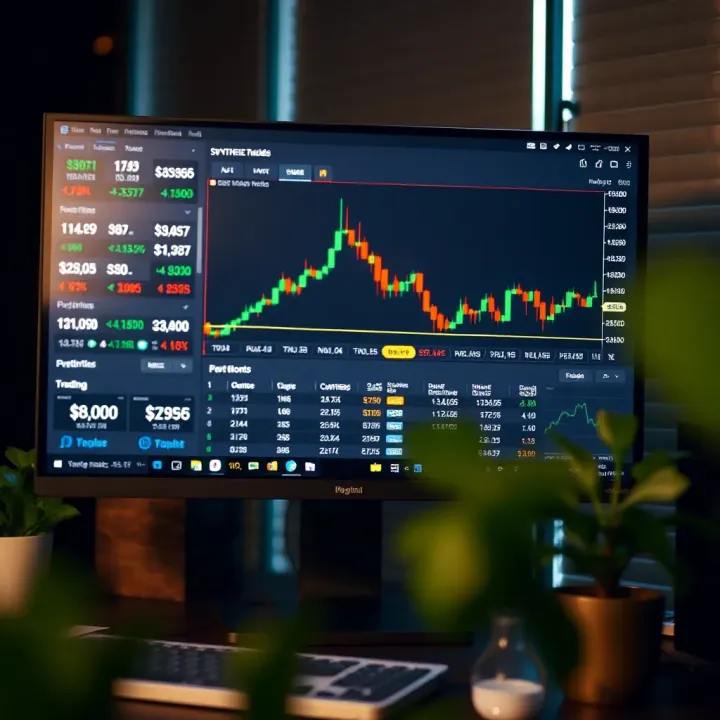
Learn how to trade synthetic indices in Nigeria 📈, explore top platforms, smart strategies, and risk tips to boost your ₦ trading game safely and confidently.
Based on 6 reviews