
Using TradingView with Deriv for Smarter Trading
📊 Discover how TradingView and Deriv combine for smarter trading in Nigeria! Learn charting, strategies, and risk tips to boost your success today.
Edited By
Laura Spencer
TradingView and Deriv.com offer a powerful combination for Nigerian traders seeking to improve their market analysis and execution. TradingView is a widely recognised charting platform known for its user-friendly interface and extensive technical tools. Deriv.com, on the other hand, provides a reliable trading environment with multiple financial instruments including forex, commodities, and synthetic indices. Together, these platforms allow traders in Nigeria to make well-informed decisions and execute trades efficiently.
Nigerian traders can leverage TradingView’s detailed charting capabilities to identify trends, spot entry and exit points, and test strategies before putting real money on the line on Deriv.com. While TradingView doesn't execute trades directly, it integrates smoothly with many brokers, giving users the flexibility to analyse on one platform and trade on another.
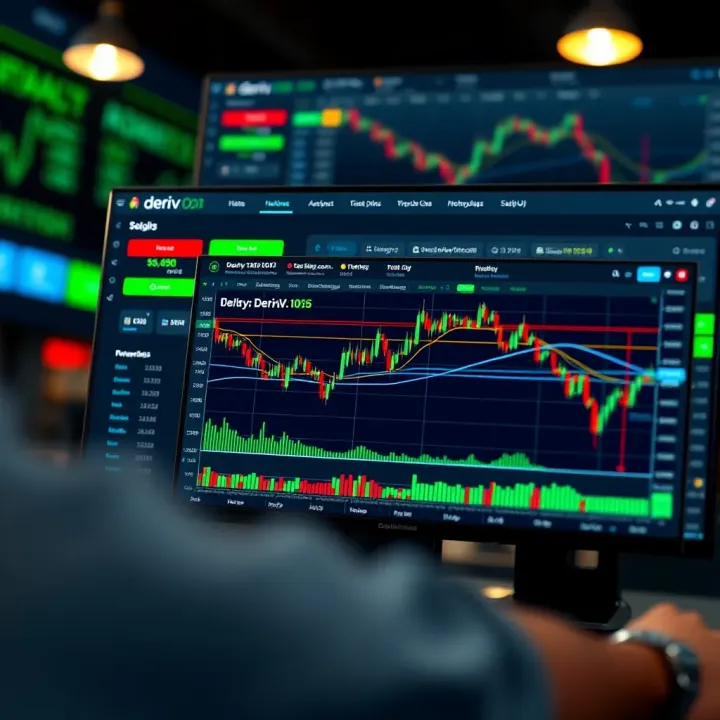
Real-time data with hundreds of indicators and drawing tools
Customisable alerts for price movements and technical events
Community scripts and strategies shared by traders worldwide
For example, a trader watching the NGN/USD pair can set alerts on TradingView for significant support or resistance levels and then place trades instantly on Deriv’s platform once these levels are reached.
Combining TradingView’s market insights with Deriv’s execution tools helps minimise guesswork, giving Nigerian traders an edge in managing volatility and naira exchange rate fluctuations.
Moreover, setting up accounts is straightforward for Nigerians, with Deriv.com accepting multiple payment methods common in Nigeria, such as bank transfer and e-wallets, while TradingView offers free and premium plans to accommodate various needs.
In this guide, you will learn how to synchronise your analysis and trading workflow by using both platforms, apply risk management relevant to the Nigerian market, and optimise strategies for instruments popular in Nigeria, such as forex pairs involving the naira and oil commodities.
This integration aims to make your trading more precise, helping you navigate the challenges posed by naira volatility, power supply costs, and market liquidity without losing your shirt.
Understanding TradingView is essential for traders and investors who want to make smarter decisions using technical data. The platform provides powerful tools that help monitor market trends, evaluate price movements, and spot trading opportunities. Nigerian traders, in particular, benefit from TradingView’s ability to aggregate global and local market indicators, allowing them to react quickly to market changes and tailor their strategies for the Nigerian economy.
TradingView’s charts are highly responsive and offer a wide range of technical indicators—moving averages, Bollinger Bands, RSI, and more. These tools help traders read price patterns and potential entry or exit points. For instance, a trader monitoring the NSE All-Share Index can spot a bearish divergence on the RSI and decide whether to reduce positions before a downturn. The interactive aspect means you can zoom, scroll, apply overlays, or annotate charts to capture insights better.
One useful feature is the ability to create custom watchlists tailored to your trading preferences. Nigerian traders can group stocks, forex pairs like USD/NGN, or cryptocurrencies they focus on. Alerts add value by notifying users when certain price levels or indicator conditions trigger. This saves you from staring at your screen all day, helping you act promptly, especially during volatile periods such as naira depreciation or global market shocks.
TradingView has a vibrant community contributing scripts and strategies. These allow Nigerian traders to access tested indicators or share their setups. For example, a community-built Moving Average Convergence Divergence (MACD) script could help traders identify trend reversals more reliably in local stocks or forex pairs. Such shared insights reduce the learning curve for new traders and provide fresh angles for experienced ones.
TradingView pulls data from major global exchanges and also covers local Nigerian markets like the Nigerian Stock Exchange (NGX). Traders get real-time or near real-time prices on stocks, forex, commodities, and cryptocurrencies. This inclusive data access means you can compare global oil price trends with local market performance and adjust your portfolio accordingly.
TradingView works well on both mobile devices and desktops, which suits Nigeria’s wide mix of connectivity options. On mobile, traders can use the app even with intermittent data during power outages or when travelling in danfo. The desktop version, on the other hand, offers a larger workspace for in-depth technical analysis, useful for day traders or professional analysts.
Price data on TradingView is primarily in US dollars or foreign currencies, but Nigerian traders can convert to naira or analyse NGN pairs directly. This is important because naira’s exchange rate volatility affects buying power and trade outcomes. Traders can set alerts based on USD/NGN fluctuations or study how local stocks correlate with naira strength, adjusting their risk management strategies accordingly.
For Nigerian traders, mastering TradingView is not just about charts; it’s about blending technology with local market realities to gain an edge in today's fast-moving environment.
Deriv.com presents a broad offering that suits the needs of Nigerian traders seeking diverse opportunities in the online trading space. It’s crucial to understand what the platform brings to the table—particularly its range of instruments, user interface, payment flexibility, as well as its security and regulation framework. These features influence how effectively Nigerian traders can integrate Deriv into their strategies alongside tools like TradingView.

Deriv.com hosts a variety of financial instruments ranging from Forex pairs, commodities like gold and crude oil, to synthetic indices that simulate real market behaviour. For Nigerians, the availability of synthetic indices is especially attractive. These indices run 24/7 and aren’t affected by market closures seen in traditional markets, which means continuous trading opportunities regardless of weekends or public holidays.
Cryptocurrencies such as Bitcoin and Ethereum are also part of the offering, making it possible to trade assets that resonate with Nigeria’s growing crypto community. This diversity allows Nigerian traders to balance their portfolios and react to market shifts across different sectors.
Deriv’s platform is designed for ease of use without sacrificing advanced tools. Both web and mobile interfaces are streamlined, helping Nigerians trade regardless of their device. In particular, the mobile app’s efficiency is vital given Nigeria’s heavy reliance on smartphones for internet access.
Features such as drag-and-drop chart customisation and a choice between classic and more modern layout views cater to both newcomers and seasoned traders. This flexible interface means you can quickly adapt to market changes, cutting down time spent on technical navigation.
Deriv supports multiple payment methods tailored for Nigerians, including local bank transfers, e-wallets, and cryptocurrencies. This flexibility ensures that handling deposits and withdrawals is smooth even amid challenges like naira exchange rate fluctuations or restricted international bank transfers.
For example, traders can fund their accounts through USSD-based mobile banking or platforms like Quickteller, reducing dependence on card payments which sometimes face limitations. Withdrawals are typically processed promptly, helping Nigerian traders manage their funds effectively without long waiting periods.
Deriv.com operates under licences from reputable regulators such as the Malta Financial Services Authority (MFSA) and the Vanuatu Financial Services Commission. While not specifically regulated by Nigerian agencies like the Securities and Exchange Commission (SEC), these licences offer a level of credibility and operational oversight.
Nigerian traders should always check the latest regulatory landscape to ensure compliance with local laws and avoid platforms lacking any robust oversight. The multinational regulatory backing makes Deriv.com comparatively more reliable than shady operators.
Deriv applies standard industry practices to secure client funds and data. Customer accounts are segregated from the company’s operating funds, meaning your money is kept separate and protected from potential business risks.
On the data side, Deriv uses encryption protocols to safeguard personal information and transactions. These security layers are especially vital for Nigerian traders who may be cautious about online fraud and the increasing cyber threats common across digital platforms.
Customer support at Deriv is accessible through live chat and email, with response times generally within a few hours. For Nigerian traders, this responsiveness means quicker solutions to any technical or payment issues that may arise.
Additionally, Deriv offers clear dispute resolution mechanisms, ensuring traders have a channel to raise concerns or complaints effectively. This kind of support infrastructure helps build trust and confidence, crucial in a market where many traders face challenges with unscrupulous companies.
Traders in Nigeria can find Deriv.com a versatile and relatively secure platform that adapts well to local payment realities while offering a broad spectrum of trading possibilities.
Understanding these features will help you decide how to best use Deriv.com alongside tools like TradingView for a well-rounded trading experience.
Linking TradingView and Deriv.com creates a powerful combo for Nigerian traders seeking precision and speed. TradingView offers rich charting and technical indicators, while Deriv.com provides a dynamic trading platform with various contracts. Using both tools together lets you make smarter moves based on real-time data and insights.
Many traders start by manually interpreting TradingView charts to decide when to enter or exit trades on Deriv.com. This involves watching patterns, indicators, and price action on TradingView before placing orders manually. For instance, if you spot a bullish breakout on TradingView's candlestick charts, you can quickly log in to Deriv and open a buy position. Manual execution gives you full control but requires constant attention to market movements.
TradingView lets you set custom alerts based on price levels, technical indicators, or chart patterns. These alerts notify you immediately via email, SMS, or app notifications when conditions are met. For Nigerian traders, especially those juggling multiple obligations, alerts ensure you don't miss critical trading moments on Deriv. Instead of watching charts all day, you get prompt nudges to take action—valuable in volatile markets.
Deriv.com offers various contract types like digit contracts, multipliers, and turbo options. Using technical insights from TradingView helps you choose the right contracts. For example, after identifying a strong uptrend with moving averages on TradingView, you might opt for a multiplier trade to maximise profits on Deriv. Conversely, spotting overbought conditions might prompt a short-term turbo trade to capitalise on a reversal. This integration sharpens your trading focus.
Given the quick execution on Deriv and TradingView's detailed intraday charts, scalping works well here. Traders can use 1-minute or 5-minute charts on TradingView to catch small price moves and immediately place trades on Deriv. This approach benefits from Nigeria’s active forex and commodities sessions, where short bursts of market activity create frequent scalp opportunities.
Popular indicators such as RSI, MACD, and Bollinger Bands on TradingView help detect when to enter or exit trades. Combined with Deriv’s contract flexibility, you can tailor entries to confirmed trends or anticipate reversals. For example, if RSI signals oversold conditions followed by bullish divergence, opening a buy contract on Deriv may yield profits. This mix improves timing and risk control.
Nigeria’s market presents specific challenges like naira volatility and variable internet quality. Therefore, focus on simpler, reliable indicators and set alerts to stay ahead without constant screen time. Using TradingView's mobile app paired with Deriv’s light platform version can reduce data use and lag. Additionally, since many Nigerian traders monitor global markets, aligning your strategy with major events like US Fed announcements can boost effectiveness.
Combining TradingView’s analytical power with Deriv.com’s trading options equips Nigerian traders to act swiftly and confidently, navigating both local peculiarities and global market shifts.
Getting your trading setup right on both TradingView and Deriv.com forms the backbone of a successful trading journey. For Nigerian traders, meticulous account creation and verification ensure smooth access to market data and funds movement. Meanwhile, actively managing risk and maintaining trade discipline help protect your capital amid local market challenges like naira fluctuation.
The registration process on TradingView and Deriv.com is straightforward but requires attention to detail. Start by visiting each platform’s official site, then fill out the registration forms with your full name, email, and a secure password. On Deriv.com, you will also need to select your preferred account type, depending on your trading goals. After submitting, check your email for a verification link to activate your account.
For Nigerian users, documentation plays a crucial role due to compliance with Know Your Customer (KYC) rules. You’ll typically need to upload a valid government-issued ID such as your National Identity Number (NIN) slip, international passport, or driver’s licence. Proof of address documents like utility bills or bank statements are often required within the last three months for verification.
Verification can sometimes hit snags, especially if documents are unclear or outdated. Many Nigerian traders experience delays when images are not sharp or details don’t match. To avoid this, ensure you scan or photograph documents in good light, double-check expiry dates, and provide PDFs when possible. Also, keep an eye on your email for any follow-up requests from support teams and respond promptly.
Using stop-loss and take-profit orders should be your trading default. These tools automatically close trades once a set price limit is reached, locking in gains or capping losses. For example, if you buy a commodity contract on Deriv.com expecting an upward move, placing a stop-loss 2% below your entry can prevent large losses if the market turns unexpectedly.
Capital allocation must be deliberate for Nigerian traders. The naira’s volatility and local economic uncertainties mean that staking large sums at once can be risky. A good rule of thumb is to allocate no more than 2-5% of your total trading capital to a single trade. This approach helps absorb shocks, such as abrupt changes caused by fuel scarcity or naira exchange rate shifts.
Handling the naira’s exchange rate volatility requires vigilance. Many Nigerian traders fund their Deriv accounts in US dollars or euros via platforms like Paystack or Flutterwave to avoid naira devaluation losses. Keeping an eye on CBN’s policies and parallel market trends during the ember months can also help you time deposits or withdrawals more effectively.
Managing your accounts carefully and staying disciplined in your trades turns out to be the best shield against common pitfalls Nigerian traders face daily.
Setting up well and managing trades consistently create your foundation. These steps ensure you’re ready to navigate both international market moves and local economic realities without losing your grip on control and funds safety.
Nigerian traders stand to gain a lot by tapping into specific tips and resources tailored to their unique market environment while using TradingView and Deriv. The two platforms provide vital tools and data, but blending these with local knowledge improves decision-making and trading outcomes. For instance, understanding how to customise charts or utilise community scripts on TradingView can directly affect the timing of trades on Deriv, especially in volatile naira conditions.
Exploring advanced charting techniques helps traders identify subtle market signals that basic charts might miss. Features such as multi-timeframe analysis, Fibonacci retracements, and volume profile on TradingView elevate the quality of market assessment. Nigerian traders can use these to spot entry and exit points better, particularly in markets influenced by global factors alongside local dynamics like oil price shifts or FX rates.
Custom indicator scripts and community tools add another layer of insight. TradingView’s open-source community shares scripts designed to detect patterns or alert to anomalies. Nigerian traders can experiment with these scripts to refine strategies, such as trend confirmation or volatility measures, in ways traditional indicators might not capture. Furthermore, adapting these tools to Nigerian market hours or assets improves relevancy.
Trading psychology and discipline support are often overlooked but vital. Platforms with alert systems and journaling features empower traders to manage emotions and stick to rules. For Nigerian traders facing unpredictable market swings, systematic discipline backed by platform reminders or loss-limiting tools fosters steadiness and reduces impulsive moves that lead to losses.
Local financial news and data providers are essential for staying ahead of government policy changes, monetary announcements by the Central Bank of Nigeria (CBN), or movements in sectors like agric or energy. Reliable sources like BusinessDay, Nairametrics, and The Guardian Nigeria provide timely updates that complement the global data on TradingView, ensuring traders react to both international and domestic signals.
Communities and forums for Nigerian traders offer peer support, sharing of strategies and discussions on platform usage. Online groups on Telegram or WhatsApp serve as practical hubs where traders exchange tips on TradingView chart setups or Deriv platform nuances, helping beginners navigate verification challenges or funding methods.
Regulatory updates and compliance tips help traders avoid pitfalls related to licensing, trading rules, and tax obligations under Nigerian law. Staying informed about SEC guidelines, CBN policies on forex transactions, and FIRS requirements is crucial. Combining this knowledge with informed use of TradingView and Deriv safeguards capital and promotes sustainable trading practices.
Leveraging both global tools and local resources equips Nigerian traders to handle market complexities effectively, turning insights into profitable trades.
By focusing on these practical elements, Nigerian traders can better navigate the twin platforms and local ecosystem, optimising their trading journey in ways that purely global advice fails to capture.
📊 Discover how TradingView and Deriv combine for smarter trading in Nigeria! Learn charting, strategies, and risk tips to boost your success today.
📊 Learn how Nigerian traders use TradingView Deriv to analyse charts and execute trades smoothly. Get practical tips, set up accounts, and improve your trading game today!
📊 Learn how Nigerian traders can boost profits by combining TradingView charts with Deriv's platform. Get setup tips, strategies, and risk advice!
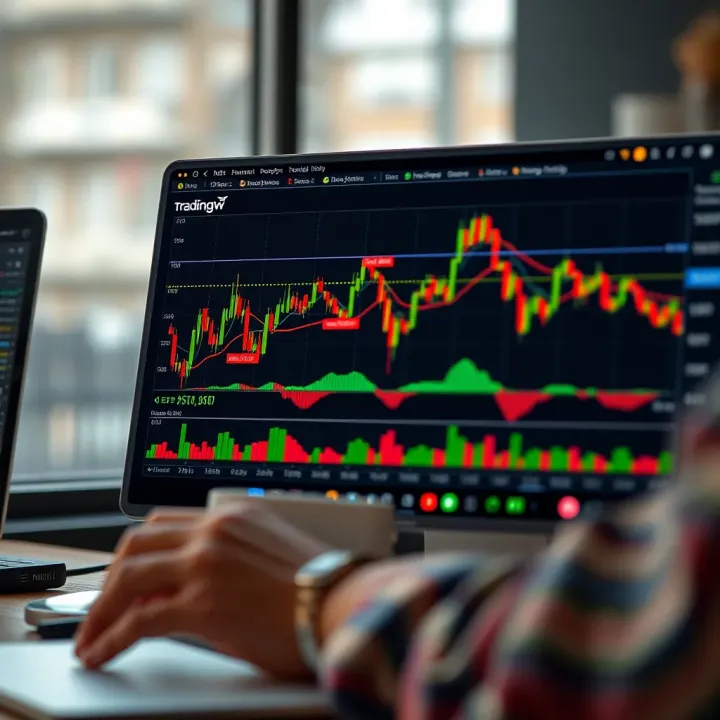
🚀 Discover how TradingView boosts Nigerian traders with real-time charts, market data, social insights & mobile tools for forex, stocks, crypto and more. 📈
Based on 14 reviews