

Understanding App Trade in Nigeria
Discover how Nigerian users can safely buy, sell, or exchange mobile apps 📱. Learn key platforms, legal tips, and security practices to trade confidently.
Edited By
Sophie Langdon
Trade apps have become essential tools for Nigerian entrepreneurs, traders, and investors who want to keep up with the fast pace of business today. These apps provide easy access to buying, selling, and investing right from your mobile phone or desktop without having to visit a physical market or bank.
In Nigeria, where the business environment is rapidly evolving, trade apps help users navigate market fluctuations, currency volatility, and supply chain challenges effectively. Whether you run a small mama put or manage a larger enterprise, these apps offer features suited to different scale of operations.

Real-time price updates to track commodity or stock value changes immediately
Secure payment options integrated with popular Nigerian platforms like Paystack and Flutterwave
Access to investment opportunities in Nigerian stocks, forex, and commodity markets
Easy inventory management and order tracking for merchants
For example, a trader Lagos who deals in imported electronics can use a trade app to monitor dollar-to-naira exchange rates in real time, place orders directly from suppliers, and receive payments instantly without bank queues. Similarly, investors with portfolios in Nigerian equities can follow NGX-listed companies’ performance and execute trades seamlessly.
Trade apps have bridged the gap between traditional markets and digital finance, empowering Nigerians to operate with more efficiency and confidence.
When choosing the right trade app, look out for features such as user-friendly interfaces, local payment integrations, strong security protocols, and customer support responsive to Nigerian users’ needs. Understanding these tools will help you use them cleverly to grow your business and maximise investments amidst Nigeria’s dynamic market conditions.
Trade apps are digital platforms designed to simplify buying, selling, investing, and payment processes through mobile devices or computers. In Nigeria's fast-growing digital economy, these apps play a key role by bridging gaps between traders, investors, and consumers across the country. Their relevance is especially felt in cities like Lagos and Abuja, where access to physical markets can be challenging due to traffic or distance.
At their core, trade apps reduce the friction of traditional trade. They provide easy access to markets without the need to be physically present, which saves time and cuts down costs. For example, a trader in Kano can use an app like Jumia to sell locally sourced fabrics to customers in Port Harcourt without needing to ship goods personally. Similarly, investors use stock trading apps such as Chaka or Trovo to buy and sell shares in the Nigerian Stock Exchange (now NGX) with just a few taps on their smartphones.
Trade apps serve as digital marketplaces and financial gateways. Their main purpose is to enable users to carry out commercial activities—whether that’s selling goods, investing in shares, or handling payments—conveniently and securely. These platforms are tailored to meet the demands of Nigeria’s diverse business environment, from micro-entrepreneurs running small mama put shops to institutional investors managing portfolios worth millions of naira.
Trade apps often act as virtual bazaars where sellers list their products and buyers can browse offers from anywhere. In Nigeria, this function is vital as it eliminates the need for physical market attendance, reducing travel expenses and exposure to risks like theft during transit. Platforms like Konga and Jumia provide sellers with vital tools, such as inventory management and automatic notifications for orders, making the process smoother. Buyers benefit from features like customer reviews and detailed product descriptions that help them make informed choices.
Beyond product sales, several trade apps focus on helping Nigerians invest in financial markets. Apps like Risevest and Chaka allow users to purchase shares in Nigerian and even international companies without navigating complicated brokerage systems. This opens investment opportunities to a wider audience, including those who previously found stock trading intimidating. Real-time price updates, portfolio tracking, and market analysis tools build users’ confidence as they participate actively in the NGX or foreign exchanges.
A crucial feature embedded in almost all trade apps is seamless payment handling. Integration with local fintech solutions like Paystack, Flutterwave, and PalmPay enables swift transfers using bank cards, USSD codes, or mobile money. This reduces delays common in traditional payment methods and lowers transaction costs. It also enhances security by encrypting financial data, which builds trust with users cautious about digital fraud.
Trade apps prioritise user-friendly interfaces to ensure both tech-savvy individuals and beginners can engage without difficulty. Clear navigation menus, simple registration processes, and support in English and major Nigerian languages improve accessibility. Matching mobile network realities in Nigeria, these apps often work on low bandwidth and offer offline features. A good example is OPay, which balances a clean design with fast-loading pages useful for users facing inconsistent internet connectivity.
Trade apps empower Nigerian entrepreneurs and investors by providing direct access to markets and financial opportunities, neatly packed into mobile devices they already carry daily.

In summary, understanding what trade apps are and their working mechanisms is essential for anyone serious about participating effectively in Nigeria’s evolving business and investment landscape. Selecting the right app with reliable features can significantly enhance efficiency and profitability.
Trade apps have become essential tools for Nigerian entrepreneurs and investors, offering practical solutions that address common challenges in the local business environment. These apps extend market reach, reduce operational costs, and provide accurate, real-time information that boosts decision-making.
Trade apps break down geographical barriers, allowing Nigerian entrepreneurs to sell goods beyond their immediate locality. A small-scale garment maker in Aba, for example, can list products on platforms like Jumia or Konga and access customers across Nigeria without needing a physical shop in Lagos or Abuja. This broader reach helps businesses tap into the large, diverse Nigerian market and even target the diaspora. Investors also benefit since apps like Chaka and Risevest give access to local and international securities, enabling Nigerians to participate in global investments without complex paperwork or middlemen.
Using trade apps helps entrepreneurs cut expenses on rent, staff, and transport. For instance, a mama put owner can manage sales and payments through OPay, reducing cash handling risks and avoiding costly third-party agents. These apps also automate tasks such as inventory tracking and customer communication, saving time and lowering human error. Investors enjoy streamlined processes as well; buying and selling stocks on mobile platforms is faster and less expensive than traditional brokerage, often with transparent fees. This cost advantage makes financial markets more inclusive, especially for youths and small investors.
Trade apps provide up-to-date market data that entrepreneurs and investors can use for smarter choices. Through apps like Trovo or Flutterwave, users track price changes, demand trends, and investment performance instantly. For traders monitoring the volatile naira exchange rate, this real-time information is crucial in setting prices or timing foreign currency transactions. Entrepreneurs also gain insights into consumer behaviour by analysing app usage patterns, helping them optimise product offerings and sales strategies. This immediacy closes the gap between data and action, allowing Nigerian businesses to respond swiftly in today’s fast-changing market.
Trade apps have reshaped Nigerian commerce by making business and investment accessible, cost-effective, and data-driven. Entrepreneurs and investors who master these tools position themselves for growth in a competitive economy.
Choosing the right trade app in Nigeria requires attention to several practical and security-related factors. These elements ensure that your trading or business activities move smoothly within our unique market, avoiding common pitfalls like fraud, hidden costs, or service gaps.
Security holds the first place when selecting a trade app. Nigerian users must be wary of platforms that lack proper encryption or fall short on regulatory compliance. For example, apps like Chaka and Trovo have established regulatory oversight by the Securities and Exchange Commission (SEC) Nigeria, providing some assurance against fraud. Look for features such as two-factor authentication (2FA) and data encryption to protect your transactions and personal records. Without proper security, your business assets and investments can become vulnerable, especially in a market where cyber fraud is on the rise.
A trade app should not only be secure but also easy to use. Smooth navigation, fast loading times, and clear user instructions reduce frustrations—particularly in Nigeria, where unstable internet connectivity can pose challenges. Beyond usability, reliable customer support is essential. When difficulties arise, someone trustworthy should be ready to help. Apps like Jumia and Paystack offer chatbots and call centres, providing swift solutions even during busy periods. Choosing a platform with solid support means you’re not stranded during crucial transactions.
Costs associated with trade apps can eat deep into profits if overlooked. Transparent fees and commissions should be checked closely. Many Nigerian apps charge flat fees or percentages, but some hide extra charges for currency conversion or withdrawals. For instance, Flutterwave’s fee structure is clear and competitive, which helps businesses plan expenses better. Also, examine payment options: does the app support Nigerian bank transfers, USSD payments, or card payments? A versatile payment system that includes local banks and mobile money options such as OPay improves flexibility and customer reach.
Finally, localisation speaks directly to an app’s effectiveness. The Nigerian market has peculiarities: naira fluctuations, intermittent power supply, and diverse consumer habits across regions. An app that integrates local languages or supports naira currency without cumbersome conversion steps shows better understanding of user needs. Products like Konga and PalmPay cater to regional differences and often integrate regulatory requirements such as BVN verification seamlessly. Using apps tailored to Nigerian realities reduces friction, making business and investment tasks less stressful.
In sum, weighing security, user experience, costs, and local adaptability ensures you select a trade app that reflects Nigeria’s market pulse. These considerations lead to more confident trading and smarter business decisions.
By focusing on these specific factors, Nigerian traders and investors can avoid common mistakes and find platforms that truly enhance their operations in a sometimes tricky digital economy.
Trade apps have reshaped commerce and investment in Nigeria by providing easy access to markets, finance, and customers. Choosing the right platform can boost business operations, aid investment decisions, and improve payment flows. Below, we examine some popular apps that serve Nigerian entrepreneurs and investors, highlighting their practical roles.
Jumia stands as one of Nigeria's biggest online marketplaces, connecting sellers and buyers nationwide. It offers a wide range of products from electronics to fashion, with features like secure payments and delivery tracking. For Nigerian businesses, Jumia reduces the need for physical storefronts, allowing merchants to reach customers in Lagos, Kano, or Port Harcourt without extra distribution costs.
Konga competes closely with Jumia, providing a broad product catalogue and convenient payment options, including Pay on Delivery—a critical feature given cash preference among many Nigerians. Konga's integration with local logistics companies helps businesses handle deliveries even in less urbanised areas, expanding market reach. Nigerian entrepreneurs appreciate its frequent deals and promotional campaigns that drive sales.
OPay, originally known for mobile money services, has expanded into product sales and logistics. It offers merchants an easy way to onboard and accept payments through mobile wallets. This is especially useful for small businesses that operate in digital and physical spaces, like market stalls leveraging OPay for instant transactions or to manage delivery vans efficiently.
Chaka provides Nigerians access to local and international stock markets through a simple app interface. It bridges the gap between traditional stockbrokers and retail investors, allowing easy portfolio management and real-time market data. For investment-savvy Nigerians, Chaka supports diversifying assets beyond the Nigerian Exchange (NGX), including US and Nigerian stocks, which is valuable given naira fluctuations.
Trovo focuses on making stock trading accessible with lower fees and user-friendly tools. It offers educational resources tailored to Nigerian investors who are new to equities. Trovo’s mobile-first approach suits users who rely on smartphones amid spotty internet connections, especially outside Lagos and Abuja.
Risevest targets Nigerians interested in long-term passive wealth building by enabling investments in US real estate and stocks. Unlike frequent trading apps, it suits users who prefer saving for future financial security. With minimum investment as low as $10, Risevest lowers entry barriers, a big help for the growing middle class aiming to grow foreign currency assets.
Paystack, a Nigerian fintech success story now part of Stripe, simplifies payments for businesses of all sizes. It supports card payments, bank transfers, and USSD, making it ideal for diverse customers. Companies using Paystack can automate billing and instantly receive funds, helping reduce Lagos traffic-caused operational delays.
Flutterwave also powers payments for millions of Nigerians and global merchants. Its multi-channel payment system supports mobile money, cards, and cryptocurrencies. For businesses targeting diaspora or exporters, Flutterwave enables receiving payments from multiple countries without complex forex processes.
PalmPay blends mobile money with loyalty rewards, delivering cashback and discounts that encourage customer retention. Its user base spans both urban and rural areas, offering affordable microloans and airtime purchases. For merchants, integrating PalmPay helps capture Nigeria’s large informal economy by easing transactions where banks are scarce.
Selecting the right trade app depends on your business size, customer base, and investment goals. Using these platforms wisely can open doors to new markets, enhance cash flow, and improve financial growth.
Successful use of trade apps in Nigeria goes beyond simply downloading and using the platforms. To truly benefit, traders and investors must understand how to navigate market dynamics, employ strong security measures, and integrate these digital tools into their everyday business operations.
Keeping a close eye on market trends is essential for making wise buying or investment decisions. Many trade apps offer real-time data on product demand, price fluctuations, and investment performance. For example, a retailer using Jumia can monitor customer purchasing patterns during ember months to adjust stock accordingly. Similarly, investors on platforms like Chaka should track stock market movements to spot entry or exit opportunities. Leveraging app analytics features helps users predict shifts rather than react late, improving profitability and reducing unnecessary risks.
Security is a major concern for Nigerian users due to rising cases of online fraud. Users need to enable two-factor authentication (2FA) on trade apps like Paystack or Flutterwave to add an extra layer of protection. Regularly updating passwords and avoiding public Wi-Fi for transactions reduces vulnerability to hacks. Recognising phishing attempts and suspicious links also protects funds and personal data. Moreover, using apps that comply with Nigerian regulations and secure data storage standards gives additional assurance against fraud.
"A single security lapse can cost thousands of naira and damage your reputation; stay vigilant."
Trade apps should not be isolated tools but a seamless part of your business workflow. For instance, a mama put vendor can connect OPay for quick mobile payments, track sales through app dashboards, and manage inventory efficiently. Integrating trade app functions—like automated invoicing, stock updates, and payment reconciliations—saves time and reduces human error. Also, training your staff to use these apps boosts overall productivity and customer satisfaction. It helps ensure the business adapts well to Nigeria’s evolving digital economy.
In short, understanding market data, practising strict security, and embedding trade apps into daily operations are the keys to unlocking their full potential in Nigeria. These steps turn trade apps from merely convenient tools into powerful assets for business growth and informed investment.
Discover how Nigerian users can safely buy, sell, or exchange mobile apps 📱. Learn key platforms, legal tips, and security practices to trade confidently.

Explore top trading apps in Nigeria 📱. Compare features, costs, security, ease of use, and support to pick the best fit for your trading needs.
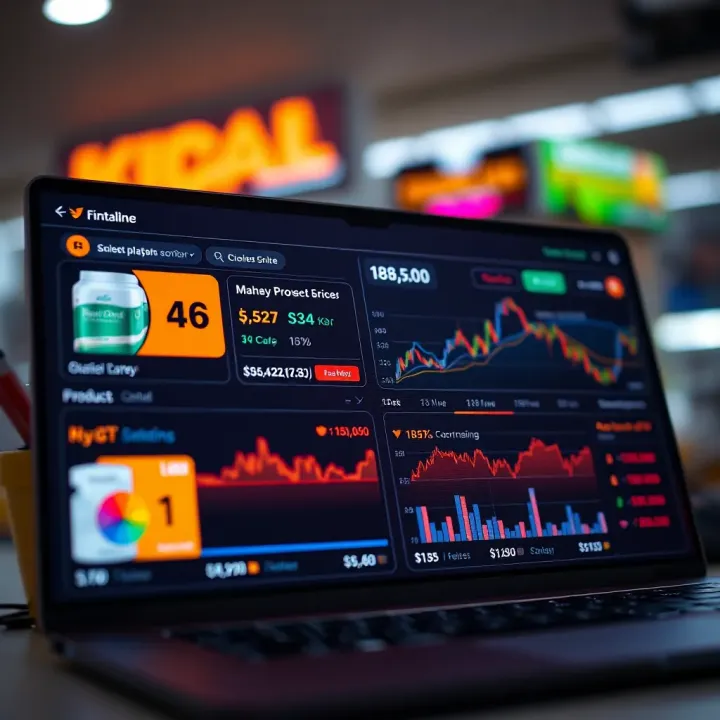
📱Start trading online in Nigeria today! Learn how to set up your platform, manage payments, handle delivery, stay secure, and follow local rules to grow your business.

Explore the essentials of being a successful online trader in Nigeria 🇳🇬. Learn key tools, trading types, legal tips, and how to navigate challenges effectively.
Based on 13 reviews