
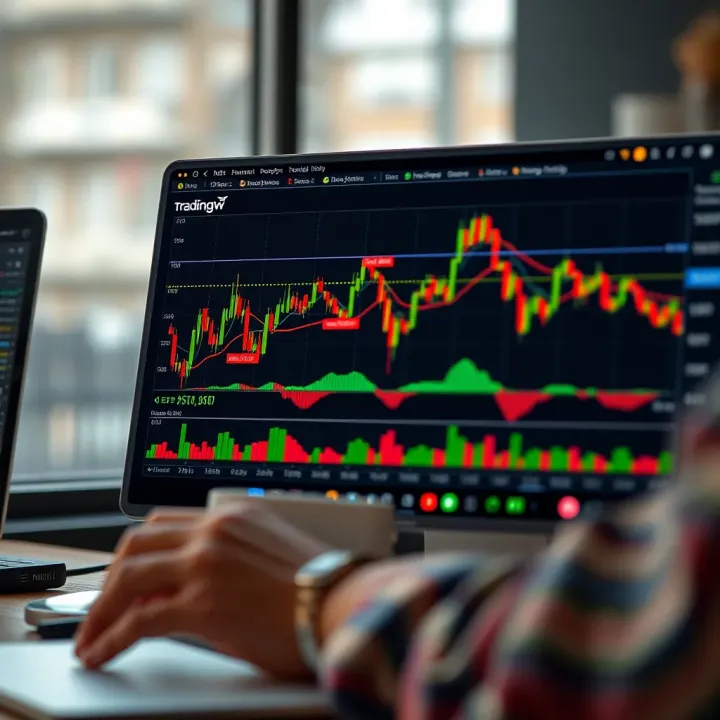
Understanding TradingView for Nigerian Traders
🚀 Discover how TradingView boosts Nigerian traders with real-time charts, market data, social insights & mobile tools for forex, stocks, crypto and more. 📈
Edited By
Oliver Spencer
Trading signals serve as vital tools for traders keen to improve their buy and sell decisions within the often volatile financial markets. In the Nigerian context, where naira volatility and global market fluctuations intermingle, understanding how these signals operate can be the difference between profit and loss.
Simply put, trading signals are indicators generated from data analysis, pointing to opportune moments to enter or exit trades. They can be manual, from experienced analysts, or automated, generated by software analysing price trends, volume, and other market factors. For example, a signal might suggest buying a stock when it breaks through a particular resistance level or selling when a currency pair shows weakening momentum.
There are different types of trading signals used across markets:
Technical signals, which rely on price charts, moving averages, and patterns like head-and-shoulders or double bottoms.
Fundamental signals, focusing on economic or company-specific data — for instance, a favourable CBN policy announcement could hint at sector opportunities.
Sentiment signals, gauging market psychology, such as investor optimism or fear, sometimes measured by social media trends or news.
Nigerian traders need to blend these signals with an understanding of local market conditions — power outages, exchange rate movements, or fuel subsidy reviews can swiftly affect market behaviour.
Using trading signals effectively means recognising that no signal guarantees success. For instance, relying solely on a moving average crossover without checking market context may lead to mistimed trades. Also, scams abound in Nigeria’s trading space, where false signals might lure unsuspecting investors. Hence, verifying sources and combining signals with sound risk management is crucial.
In the sections ahead, we will explore practical strategies to decode these signals, avoid common traps, and apply lessons from both local and global markets to your trading routine. This foundational knowledge will help you trade confidently, whether dealing in Nigerian stocks on the NGX or forex pairs popular among retail traders.
Understanding trading signals is not just about numbers — it’s about reading the market’s pulse and acting smartly to maximise returns in an environment that constantly shifts.
Trading signals act as practical indicators for traders, showing when to enter or exit the market. For Nigerian traders, who often face volatile markets and fluctuating naira values, these signals offer a shortcut to making informed decisions without relying entirely on gut feelings. By understanding the nature of trading signals, you can fine-tune your approach to suit both local and international markets.
A trading signal is a suggestion or alert generated by analysis tools to indicate potential trading opportunities. These signals often specify whether an asset is likely to rise or fall, helping you decide whether to buy or sell. For example, if a forex signal suggests a strong buy for USD/NGN based on recent price momentum and economic news from the United States, you might consider acting on it to take advantage of expected gains. In essence, trading signals aim to save time and reduce risk by providing early warnings about market moves.
In Nigeria, trading signals come from various places. Banks like GTBank or Access Bank may provide signals via their investment arms or research teams. Also, fintech platforms such as Paystack or Flutterwave can offer market data influencing signals in payment-related stocks. Social media groups and Telegram channels dedicated to Nigerian stocks or forex are popular, though caution is necessary to avoid scams from unverified sources. News outlets covering CBN monetary policies, petrol subsidy changes, or political events also indirectly shape many fundamental signals.
Traders typically combine signals with their personal analysis before making moves. For instance, if you receive a technical signal suggesting a rise in NSE-listed shares of Dangote Cement but also detect high market volatility in Nigeria due to international oil price swings, you might adjust your position size or wait for clearer confirmation. Signals help in timing trades but rarely replace the need for a solid trading plan. Smart traders track various signals, noting patterns and how often they succeed under Nigerian market conditions, refining their strategies accordingly.
Effective use of trading signals requires you to understand their source, verify reliability, and adapt them to Nigeria’s unique trading environment.
By recognising these core elements, you position yourself to turn signals into real profit rather than noise. The next sections will explore different types of signals and how to evaluate their trustworthiness in Nigerian markets.
Trading signals come in different forms, each serving a specific function that can guide your trade decisions effectively. Understanding these types helps you pick signals that fit your style and the Nigerian market dynamics.
Technical signals focus on price trends and trading volume, helping traders detect market momentum or reversals. For example, if the price of MTN Nigeria shares surges above a recent high with unusually high volume, this may signal a strong upward momentum. Indicators like Moving Averages, Relative Strength Index (RSI), and Bollinger Bands are common in this category. Nigerian traders often use these tools on platforms like the NGX trading portal or through mobile apps such as Trove or Bamboo Nigeria. The advantage is clear: these signals are quick and based on actual market activity, which makes them useful especially when market liquidity changes rapidly, as seen during ember months or election seasons.
Fundamental signals derive from economic events and news releases that impact asset values over time. In Nigeria, data like the Central Bank of Nigeria (CBN) monetary policy decisions, oil production reports from the Nigerian National Petroleum Company Limited (NNPCL), or the latest exchange rate movements are vital. For instance, a drop in crude oil prices often weakens the naira, affecting stocks in the oil and gas sector. Traders relying on fundamental signals pay attention to announcements about inflation rates, interest rates, and government fiscal policies, which can hint at medium to long-term price shifts. These signals may not trigger instant trades but are essential for understanding the broader economic backdrop behind price movements.
Automated signals come from computer programs that analyse market data and generate buy or sell alerts without human bias. In Nigeria’s growing fintech ecosystem, tools like Kuda’s AI-driven investment tips, Flutterwave’s market insight bots, or third-party apps offering algorithmic trading signals are increasingly common. These signals can be based on complex models combining technical and fundamental data, available 24/7. However, their effectiveness depends on the algorithms’ quality and how well they adapt to Nigerian market quirks, such as frequent power outages or sudden policy changes. Always test automated signals against your own strategy before committing real capital.
Remember: No signal type guarantees profits. Successful trading combines these signals with sound judgement, market experience, and strong risk control.
Each of these trading signals has practical uses for Nigerian traders, whether you trade on the NGX, foreign Forex pairs, or crypto markets. By recognising how and when to apply technical, fundamental, and algorithmic signals, you can make decisions that fit your goals and the local trading environment better.
Trading signals can be strong tools for decision-making, but their reliability varies widely. For Nigerian traders, understanding how to evaluate these signals is vital to avoid costly mistakes and optimise profit. Catching a good signal is like getting a heads-up before rain during the ember months—it helps you prepare, but ignoring the weather patterns can spoil the plan.
Accuracy in trading signals refers to how often the signal correctly predicts market movements. Nigerian traders should check the historical success rates of signals over different time frames and market conditions. For example, a technical signal that predicted a sharp surge in a Nigerian stock like Dangote Cement with 70% accuracy over six months may inspire confidence, but the same signal might falter during periods of intense political instability or naira volatility.
Success rates aren’t the only factor; precision in entry and exit timing is also key. A signal that offers late guidance can lead to losses even if the direction is right. Track records provided by credible signal providers often include metrics like win-loss ratios and average returns. Don’t be tempted by 100% success claims; the market is inherently uncertain, and such claims are usually signs of scams.
The Nigerian market attracts various signal providers, some trustworthy, others less so. Before subscribing, verify the provider’s credentials and track record. Authentic providers typically share transparent performance reports, are registered with local regulatory bodies like the Securities and Exchange Commission (SEC), and have client testimonials.
Beware of providers promising guaranteed profits or pushing urgent fees—red flags that should raise suspicion. For instance, a Telegram channel claiming exclusive, unbeatable forex signals for a hefty fee but with no verifiable history is best avoided. Confirm if the provider uses recognised platforms or offers trial periods to test signals.
Signals designed for international markets do not always perform well here because Nigeria’s market behaves differently. Factors such as frequent exchange rate swings, regulatory changes, or power supply disruptions can distort market trends that signals rely on.
Traders should adapt signals by incorporating local news and data. For instance, a good signal during NGX trading can still be affected by fluctuating oil prices or fuel scarcity. Customising alerts with awareness of local events—like election cycles or CBN’s monetary policies—can improve decision accuracy.
Reliable trading signals are not just about numbers but understanding their context within Nigeria’s unique market environment.
By carefully assessing signal accuracy, verifying providers, and adapting to local realities, Nigerian traders can better harness signals to enhance their trading strategies and reduce risks.
Integrating trading signals into your trading strategy isn't just about following directions blindly; it's about blending these signals with your own analysis and sound trading habits. When done properly, this approach can sharpen your decision-making and reduce costly mistakes. Nigerian markets, known for their volatility and unique economic factors, demand such a balanced strategy to navigate price swings and sudden news impacts effectively.
Risk management is the backbone of any successful trading approach. Using trading signals without setting clear limits on potential losses is like driving blind in Lagos traffic—you might get to your destination, but chances are you’ll face avoidable bumps. For example, if a signal suggests buying a stock listed on the Nigerian Exchange Group (NGX) but your risk tolerance caps losses at 3%, place stop-loss orders accordingly. This way, even if the signal disappoints, your capital is protected.
Beyond stop-losses, diversify how you apply signals across different asset classes—equities, forex, and commodities like crude oil futures. For instance, relying solely on signals for heavily traded NGX stocks like Dangote Cement, without spreading exposure, can expose you to unnecessary sector risk. Always decide upfront how much of your portfolio to allocate based on the signal's strength and your risk appetite.
Trading signals gain real value when combined with both technical and fundamental analysis. Say a technical signal indicates a buy on GTBank due to a bullish moving average crossover. Pair this with fundamental checks—like reviewing GTBank’s recent earnings reports, sector performance, or any Central Bank of Nigeria policies affecting banks. This layered approach helps you avoid traps where signals alone might mislead.
Moreover, blending signals allows you to confirm or reject trades. A sell signal from an automated tool may clash with positive fundamental data on the same stock. In such cases, Nigerian traders might decide to wait and watch rather than jumping in, holding off until one side gains clearer dominance. It’s a way to stay sharp amid a market influenced by local news, elections, or even fuel subsidy changes.
Start small and monitor signal effectiveness in your live trading; don't pour all your funds at once. Mobile apps like TradeFlutter or local broker platforms give you space to test signals with real money but limited risk.
Keep track of signal performance. Use a trading journal to note when signals worked or failed, including what local events may have influenced outcomes. This routine sharpens your instincts and helps you adapt in Nigeria’s dynamic market.
Beware of free signal services promising quick wins. Many operate without accountability. Instead, rely on reputable sources or paid providers with verifiable track records in Nigerian financial markets.
Finally, remember electricity and internet stability issues. Planning your trades in advance and having offline contingencies ensures you don’t lose out due to unexpected power cuts or data loss.
Using trading signals smartly alongside your own research and sound risk strategies can transform your trading outcomes. Nigerian markets test traders’ patience and skill, so layering tools rather than depending on one source remains the best way forward.
Trading signals can be powerful guides in the hands of savvy Nigerian traders, but relying on them blindly can lead to costly losses. This section explores common pitfalls traders face when using signals and offers practical advice on how to navigate these challenges. By understanding these mistakes, you can trade smarter and avoid unnecessary risks.
Many traders make the mistake of following trading signals without applying their own analysis. Signals are tools, not gospel truths. In the Nigerian market, which is often affected by sudden policy changes or local events, a signal that worked yesterday might fail tomorrow. For instance, a technical buy signal on NGX-listed stocks could be invalidated instantly by unexpected government announcements on fuel subsidy removal or currency devaluation.
Instead of blindly following signals, always combine them with your personal research. Check recent news, understand the sector's fundamentals, and consider broader economic indicators like the Central Bank of Nigeria (CBN) monetary policy rate before making a decision. This layered approach improves your chances of success and helps you spot when a signal is off the mark.
The Nigerian market is known for its unique volatility patterns, influenced by factors such as political events, oil price shocks, and local investor behaviour. Ignoring these specific conditions can make signals less reliable. For example, during the ember months (September to December), trading volumes usually dip, and price swings can be unusually sharp due to year-end portfolio adjustments.
Traders who overlook these patterns might misinterpret signals and enter or exit trades at the wrong time. To avoid this, pay attention to local market calendars and historical volatility trends. Adjust your use of signals by factoring in periods of high uncertainty or low liquidity common in Nigerian markets.
Another frequent mistake is neglecting to track how well your trading signals perform over time. Without consistent review, you won’t know which signals work best under Nigerian market conditions and which do not. For example, automated signals from foreign platforms might not perform well due to local infrastructure issues like internet stability or trading hours differences.
Keep a trading journal or digital record of signals acted upon, noting outcomes and any market context that influenced success or failure. Reviewing this data regularly lets you refine your strategy, focus on reliable signal providers, and discard those that fail to match your trading style and the local environment.
Consistently evaluating and adapting your use of trading signals helps you stay ahead in Nigeria’s dynamic markets and avoid costly mistakes.
Taking these steps ensures you use trading signals as valuable guides, not crutches. A combination of personal insight, market awareness, and performance tracking builds a more resilient trading approach suited to Nigeria’s financial landscape.
🚀 Discover how TradingView boosts Nigerian traders with real-time charts, market data, social insights & mobile tools for forex, stocks, crypto and more. 📈
Discover how IQ Option offers Nigerian traders access to forex, crypto, and binary options 📈. Learn setup, funding in ₦, benefits, and risks to trade smartly today.
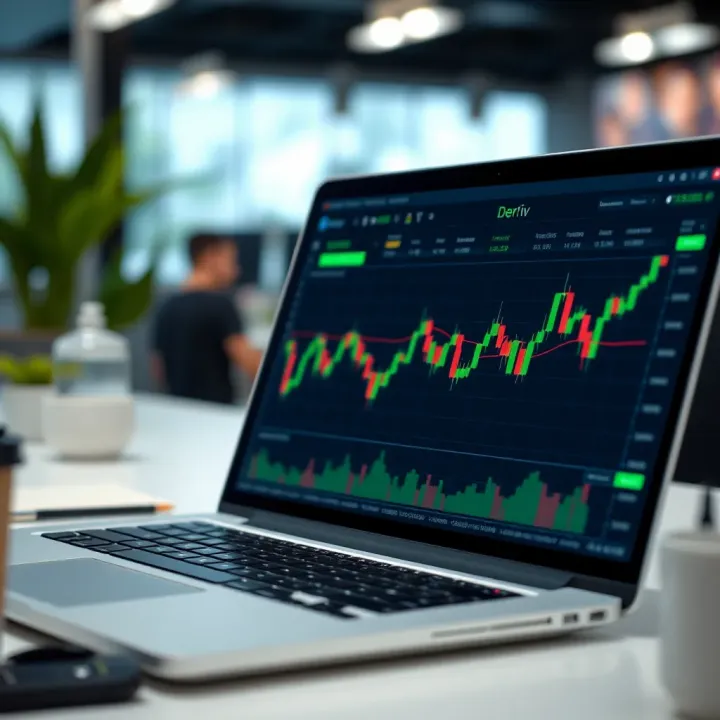
📊 Learn how Nigerian traders use TradingView Deriv to analyse charts and execute trades smoothly. Get practical tips, set up accounts, and improve your trading game today!
🤖 Trading robots help Nigerian traders automate investing with smart tech. Learn how they work, their risks, benefits, local rules, and future trends shaping Nigeria's market.
Based on 11 reviews