

Understanding Online Trading in Nigeria
Explore the essentials of being a successful online trader in Nigeria 🇳🇬. Learn key tools, trading types, legal tips, and how to navigate challenges effectively.
Edited By
Isabella Hughes
Deriv Cashier is the payment system embedded in the Deriv trading platform, allowing Nigerian users to deposit and withdraw funds securely and efficiently. It plays a vital role in managing your trading capital without having to leave the platform. This helps traders and investors focus on the markets instead of spending time navigating complicated banking processes.
In Nigeria, where payment challenges such as fluctuating naira exchange rates and limited access to traditional bank services can slow transactions, Deriv Cashier provides multiple payment options designed to suit local needs. Whether you prefer bank transfers, card payments, or mobile wallets like Opay or PalmPay, Deriv Cashier supports them with clear steps and transparent fees.
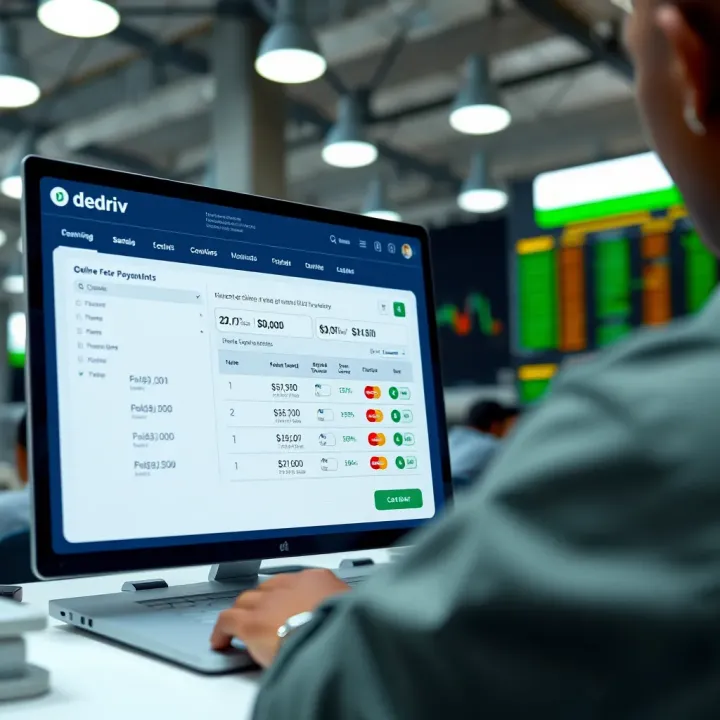
You first link your bank account or preferred payment method within your Deriv account. When you fund your trading wallet, the system processes the transaction via secure gateways. Withdrawals undergo verification to ensure your funds reach your nominated account safely. For example, after depositing ₦50,000 via GTBank transfer, your trading balance reflects immediately, letting you trade right away without delays.
The platform also tweaks its features to comply with Nigerian regulations and security standards, helping reduce fraud and unauthorised access. This includes using your Bank Verification Number (BVN) and multiple authentication steps when needed.
Safety first is the rule with Deriv Cashier. Using encrypted payment technologies, your sensitive data remains protected even during high-volume ember months when transaction attempts rise sharply.
Variety of payment options: From direct bank transfers and Visa/MasterCard cards to local e-wallets.
Fast processing times: Most deposits reflect instantaneously; withdrawals may take up to 48 hours depending on the method.
Clear transaction records: Enables easy tracking of your deposits and withdrawals for budgeting and tax purposes.
Understanding Deriv Cashier clearly helps Nigerian traders avoid common pitfalls like delayed withdrawals or unexpected fees. It’s the first step to handling your trading funds with confidence and stability in a sometimes unpredictable financial environment.
Understanding what Deriv Cashier is and how it works is essential for Nigerian traders who want to manage their funds smoothly on the Deriv platform. The cashier acts as a financial hub, allowing users to deposit and withdraw funds securely while supporting several payment options ideal for the local Nigerian market. Knowing how transactions are processed helps traders avoid delays and ensures they can react promptly to market changes.
Deriv Cashier is the dedicated payment interface within the Deriv trading ecosystem. It functions as the gateway for managing the financial transactions — deposits and withdrawals — of trading accounts. For Nigerian users, it integrates multiple payment channels that address local banking limitations and currency considerations, such as naira fluctuations.
A functional cashier is crucial for traders who need quick access to their money. The ability to efficiently fund an account for trading or withdraw profits without unnecessary delays affects trading strategy and cash flow. If the cashier system is down or slow, a trader may miss out on opportunities or face cash crunches, especially during volatile market periods.
Depositing funds through Deriv Cashier starts with logging into your account and selecting the cashier option. You choose your preferred payment method, such as a Nigerian bank transfer, e-wallet, or cryptocurrency. After entering the amount in naira (or other supported currency), you follow prompts to complete the payment. Confirmation typically arrives via email or SMS.
The process is straightforward, but users should verify payment details carefully to avoid delays. For example, a deposit via bank transfer often requires inputting the correct reference number to link the funds to the trading account.
Withdrawing funds follows a similar path. Users select 'withdraw' in the cashier, choose a withdrawal method compatible with their deposit channels, and provide necessary details like bank or wallet account numbers. Then, they specify the amount and confirm the transaction.
It is important to note that withdrawal requests undergo verification to comply with regulatory KYC guidelines. This adds a layer of security but can affect processing time if documents or information are incomplete.
Settlement times vary depending on the method used. E-wallet transactions like OPay or Flutterwave typically complete within minutes or a few hours. Bank transfers within Nigeria can take between 24 to 48 hours depending on the bank and network efficiency. Cryptocurrency settlements are usually faster but depend on blockchain confirmation times.
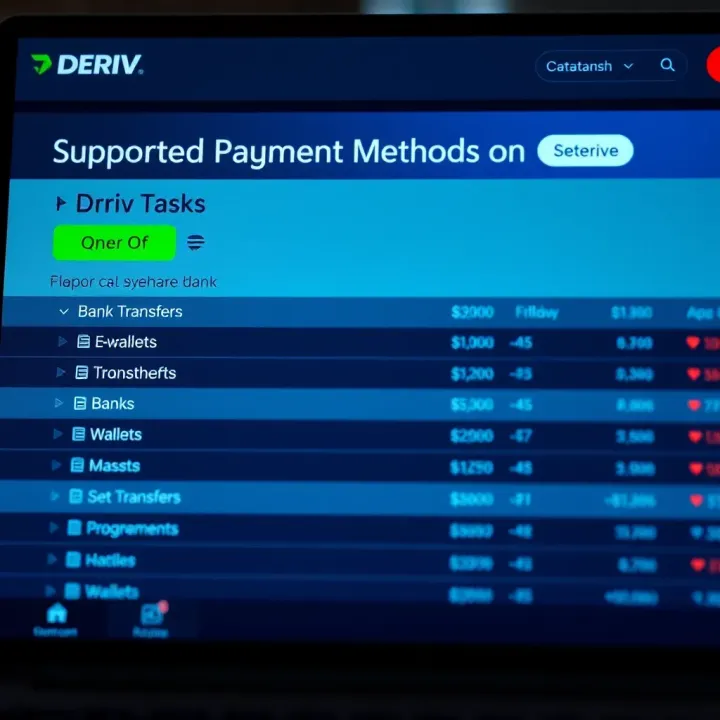
Traders should keep these timelines in mind when planning their fund movements. Understanding these helps manage expectations and reduce frustration when funds take longer than anticipated to appear.
Efficient handling of deposits and withdrawals through Deriv Cashier means traders can concentrate on making informed decisions without worrying about their money's safety or accessibility.
Payment options form the backbone of any trading platform’s convenience and functionality, especially for Nigerian users of Deriv Cashier. The ease with which funds move in and out determines not only user satisfaction but also trading agility. Given Nigeria’s diverse financial ecosystem, offering multiple payment channels tailored to local realities helps traders execute transactions smoothly and promptly.
Using Nigerian bank accounts for deposits and withdrawals remains a straightforward and trusted method for many users. Deriv supports transactions through major Nigerian banks such as GTBank, Access Bank, Zenith Bank, and First Bank, allowing traders to fund their accounts directly from their local bank accounts. This setup helps users avoid foreign exchange uncertainties tied to international credit cards or direct overseas payments.
The process typically involves initiating a transfer via internet banking, mobile apps, or ATM channels to the account details provided by Deriv Cashier. Withdrawal follows a similar pattern, with proceeds credited back to the user’s Nigerian bank account. Timelines for these transactions depend largely on the banks involved but usually range from a few minutes to 24 hours. Delays beyond this period may result from interbank settlement lags or verification procedures, which traders should keep in mind, especially in the ember months where banks often face volume surges.
Nigerian users can also leverage popular e-wallet services integrated with Deriv Cashier such as OPay, Paystack, and Flutterwave. These platforms have gained traction for offering quick, low-cost transfers and excellent mobile usability—critical for users who rely on smartphones over fixed internet connections.
E-wallets provide near-instant settlement times, which means traders can fund their accounts and start trading faster compared to traditional bank transfers. Additionally, these platforms often support multiple funding sources, including debit cards, bank transfers, and even QR payments. This flexibility is particularly useful in Nigeria’s dynamic fintech space where mobile money and digital payments have seen rapid adoption.
Deriv Cashier accepts select cryptocurrencies such as Bitcoin (BTC), Ethereum (ETH), and Tether (USDT) for deposits and withdrawals. For Nigerian users, crypto offers an alternative free from some of the restrictions and delays posed by the traditional banking sector. It also bypasses currency exchange complications since Tether is a stablecoin pegged to the US dollar.
However, using crypto safely requires attention to security. Traders must use trusted wallets and exchanges, avoid sharing private keys, and confirm transaction addresses carefully to avoid losses—issues compounded by Nigeria’s evolving regulatory environment around digital currencies. Educating oneself on blockchain basics and securing devices is vital before engaging in crypto-based transactions.
Having multiple payment options—from bank transfers and e-wallets to cryptocurrency—gives Nigerian users the flexibility to choose the best fit for their trading needs and circumstances. Always consider speed, cost, and security before deciding.
Security and control are fundamental when handling money on any trading platform, especially for Nigerian users who face varied financial risks and regulatory landscapes. Deriv Cashier integrates several key features and robust security measures designed to protect users’ funds, ensure smooth transactions, and maintain transparency. Understanding these features empowers traders and investors to manage their funds safely and efficiently.
Encryption standards play a vital role in securing data during transactions. Deriv Cashier employs advanced encryption protocols, such as SSL/TLS, which safeguard sensitive information like personal details and payment credentials from interception. For Nigerian traders, where cybersecurity threats can be severe, this encryption ensures that every deposit or withdrawal request is shielded from hacking attempts, keeping funds and data confidential.
On top of encryption, Two-factor authentication (2FA) adds another layer of protection. 2FA requires users to provide two forms of verification before accessing their wallets or making transactions, typically a password plus a code sent to their mobile device or email. This step helps prevent unauthorised access even if login details are compromised. For example, a trader in Lagos logging in from an unsecured public Wi-Fi spot would still be protected as the hacker has to bypass the second verification factor.
The identity verification requirements confirm that users are who they claim to be, a practice critical to preventing fraud and money laundering. Nigerian users must submit valid identification documents such as a National Identity Number (NIN) card, international passport, or driver’s licence. Completing this verification helps ensure that accounts aren't used for illegal activities and that withdrawals reach the rightful owners.
Following this, KYC (Know Your Customer) guidelines serve as a framework for verifying identities systematically and legally. Deriv Cashier follows these guidelines closely, which require users to provide documents and sometimes additional proof of address. This process not only complies with Nigerian financial regulations but also builds trust among users by promoting transparency and accountability in fund management.
To manage risks, Deriv Cashier imposes deposit and withdrawal limits. These caps vary depending on the verification level and payment method. For instance, a newly verified user might have a lower daily withdrawal limit of ₦500,000 compared to a fully verified trader who can withdraw up to ₦10 million. These limits protect users from unexpected large funding losses and help spot suspicious activities.
Lastly, managing transaction history is a practical feature that allows users to track deposits and withdrawals easily. The platform provides clear records, including timestamps, amounts, and payment methods. For Nigerian traders juggling multiple payment channels like bank transfers and e-wallets, this history is a handy tool for reconciling accounts, spotting errors, and maintaining accurate financial records for tax or personal budgeting purposes.
Staying informed about these key features and security measures equips you to use Deriv Cashier with confidence, knowing your funds are safeguarded while you focus on trading and investment strategies.
Operating Deriv Cashier in Nigeria comes with unique challenges that traders must understand to avoid unnecessary hiccups. In this section, we'll focus on common issues such as payment delays, currency fluctuations, and data inaccuracies that often affect fund management. Grasping these challenges helps users resolve problems faster and maintain smooth transactions.
Transaction delays in Nigeria frequently stem from factors like network unreliability, banking system congestion, and regulatory checks. At times, payments may stall during peak hours due to overloaded payment gateways or intermittent internet connectivity common in many parts of the country. Furthermore, delays may also result from restricted offshore transfers following Central Bank of Nigeria (CBN) policies, affecting deposits and withdrawals through international channels.
Resolving payment failures begins with patience and inquiry. Start by confirming that your bank account details entered in Deriv Cashier are accurate. Then, check your bank's transaction notifications or statements to see if funds have been debited. If the transaction failed or stuck, reach out to both your bank and Deriv support with transaction references. It is often helpful to document dates, times, and screenshots to speed up resolution. Some delays clear up after 24–48 hours, while persistent issues may require formal complaints or alternative payment methods.
Naira volatility directly affects Deriv Cashier transactions, especially when converting funds between naira and foreign currencies. Fluctuating exchange rates can lead to unexpected losses or discrepancies in withdrawal values. For instance, a withdrawal worth ₦200,000 may net less if the exchange rate worsens before settlement, affecting traders' profit margins.
To minimise losses, it's wise to monitor exchange rates before making large transactions. Using e-wallets or local payment platforms offering locked-in rates can help stabilise conversion values. Also, timing your transactions during more stable market periods and avoiding cresting naira depreciation cycles ensures better value retention. Planning withdrawals ahead of major naira dips, typical around ember months or election periods, can protect your funds from rapid devaluation.
Mistakes in account information cause many transaction problems. Common errors include wrong account numbers, misspelling of names, or outdated bank details. Such errors delay payments, cause rejections, or even misrouted funds—problems that are stress-inducing and costly.
Keep your account data current by regularly reviewing your Deriv Cashier profile. To update details, log in and navigate to the cashier settings where you can modify bank and payment info. After changes, verify details with your bank and submit any required identification documents promptly for approval. Also, avoid using multiple accounts to circumvent withdrawal limits, as this can flag your account during compliance checks.
Accurate data and informed actions cut down transaction headaches. Nigerian traders who regularly check transaction status and update their info stay ahead of challenges with Deriv Cashier.
Access to reliable support and useful resources is vital for Nigerian users of Deriv Cashier to manage their transactions smoothly. Since financial dealings involve risks and complexities—especially given the ever-changing fintech landscape in Nigeria—it helps to know where to get timely help and accurate information. Whether facing transaction delays or trying to understand local regulatory impacts, support channels and educational materials can make all the difference.
Deriv offers live chat and email support tailored to address users’ concerns effectively. Live chat provides immediate assistance during trading hours, which is valuable when you need quick clarification on payment issues or account queries. Email support remains a useful option for detailed problems that might require attaching documents, such as verification proofs or transaction receipts.
To get the most out of these channels, Nigerian traders should prepare relevant details before contacting support. This includes transaction IDs, screenshots, and a clear description of the problem. Being specific helps reduce back-and-forth messages and speeds up resolution, which is especially helpful amid the frequent naira fluctuations affecting payments.
The official Deriv guides serve as a comprehensive resource for users new to the platform or those struggling with particular functions like deposits or withdrawals. These guides are crafted to walk traders through processes step-by-step, confirming what to expect and avoid, resulting in fewer errors that could cause payment failures.
Besides official materials, community forums and Nigerian trader groups offer localised insights. These groups share firsthand experiences with Deriv Cashier under Nigerian conditions—like bank transfer delays, e-wallet hiccups, or currency conversion challenges. Engaging in such communities gives users practical tips and fosters peer support, filling knowledge gaps official guides might not cover.
CBN (Central Bank of Nigeria) policies significantly impact how funds move in and out of platforms like Deriv Cashier. For instance, restrictions on forex access or updated KYC guidelines can delay or modify withdrawal procedures. Staying updated on these guidelines ensures traders comply promptly, preventing avoidable transaction holds.
Similarly, fintech policies evolve frequently in Nigeria, affecting payment service providers and user safeguards. Being aware of these changes—through newsletters, reputable news outlets, or regulator announcements—helps users adapt swiftly. Ignoring such updates might lead to unanticipated disruptions or even loss of funds due to non-compliance.
Staying informed and connected through official and community channels not only enhances your Deriv Cashier experience but also protects your investments in Nigeria’s dynamic financial environment.
Explore the essentials of being a successful online trader in Nigeria 🇳🇬. Learn key tools, trading types, legal tips, and how to navigate challenges effectively.
🔐 Explore how Pocket Login makes secure app access easy for Nigerian users. Learn setup steps, security tips, and why it suits mobile fintech users well.
Learn how to fund your Deriv account in Nigeria using bank transfers, card payments, and trusted fintech apps like OPay. Get tips on fees, limits, and safe transactions 💼💳

Discover how Nigerian users can safely buy, sell, or exchange mobile apps 📱. Learn key platforms, legal tips, and security practices to trade confidently.
Based on 14 reviews