
Forex Trading Hours for Nigerian Traders
📈 Discover forex trading hours that matter for Nigerian traders 🇳🇬. Learn how local time zones, market schedules & broker timings affect your ₦ trading profits! ⏰
Edited By
Isabella Evans
Forex trading in Nigeria has grown significantly over the past decade, attracting a diverse group of individuals ranging from young tech-savvy traders to experienced investors looking to diversify portfolios. This market offers exciting opportunities but also presents distinct challenges shaped by Nigeria’s economic landscape and regulatory framework.
At its core, forex trading involves exchanging currencies on global platforms, aiming to profit from exchange rate fluctuations. In Nigeria, many traders operate through online brokers who provide access to major currency pairs such as the US dollar (USD), euro (EUR), and British pound (GBP), alongside emerging market currencies. Unlike stock trading, forex runs 24 hours, allowing for flexible trading times suited to Nigeria’s working class.
The increasing mobile internet penetration and fintech innovations have transformed forex access in Nigeria, making it easier for retail traders to participate without needing hefty capital or advanced infrastructure.
Retail traders: Most are individuals who trade with personal funds, often using smaller accounts starting from ₦50,000 or less. These traders tend to rely heavily on technical analysis and social trading communities.
Professional traders: These include finance professionals or those affiliated with investment firms, managing larger funds and usually utilising more sophisticated tools and risk management techniques.
Speculators and arbitrageurs: Some engage in short-term trades exploiting price discrepancies between platforms or reacting fast to global economic news.
Nigeria's forex ecosystem is supported by platforms like MetaTrader and brokers such as HotForex and IG Markets, which support Naira funding now. Additionally, fintech firms like Paystack and Flutterwave ease fund transfers, bypassing some traditional banking slowdowns.
The Central Bank of Nigeria (CBN) regulates forex trading indirectly through licensing brokers and controlling foreign exchange policies. Traders must comply with Know Your Customer (KYC) rules and often must route transactions through authorised dealers to avoid falling foul of forex restrictions.
This introduction sets the stage for a deeper understanding of how Nigerian forex traders navigate opportunities and constraints in this fast-moving sector.
Understanding who forex traders in Nigeria are helps contextualise the entire trading landscape. This insight allows traders and investors to identify trends, tap into community knowledge, and tailor strategies that fit the local scene. Knowing the profile of these traders highlights market demands and exposes gaps, such as educational needs or regulatory issues, which must be addressed to boost success rates.
Most Nigerian forex traders tend to be young adults between the ages of 25 and 40, often with some tertiary education, commonly in fields like finance, economics, or business management. Many come from urban centres such as Lagos, Abuja, and Port Harcourt, where internet access and financial literacy are more widely available. However, a growing number of traders arise from less metropolitan areas due to the widespread reach of mobile technology.
This background matters because it shapes traders’ approach to risk and learning. For instance, those with formal finance training often adopt more systematic styles, whereas self-taught traders might rely heavily on intuition and shared tips from informal networks.
Nigerian traders often start forex for supplementary income amid job scarcity or economic pressures like inflation and naira depreciation. Some see forex as a way to financially support family or start small businesses. There’s also a strong appeal in the prospect of quick profits, although this sometimes leads newcomers into risky trading without adequate preparation.
Practical experience shows that traders driven by clear, realistic goals tend to stick around longer and handle losses better. In contrast, those chasing overnight riches regularly face quick burnout.
Among Nigerian forex traders, popular approaches include scalping, where traders make rapid trades to capture small price movements, and swing trading, which involves holding positions for days to catch medium-term trends. Technical analysis dominates, with many relying on chart patterns and indicators like Moving Averages and RSI (Relative Strength Index).
However, some traders combine technical and fundamental analysis, especially tracking events like CBN policy announcements or global economic shifts. This blend helps many navigate market fluctuations caused by naira volatility or external shocks.
Nigerians often choose from a mix of local brokers licensed by Nigerian authorities and popular international ones like IG Group, FXTM, or HotForex. Local brokers offer naira-denominated accounts and can provide easier access to deposit and withdrawal methods suited for Nigeria. Meanwhile, international brokers attract those seeking broader instrument offerings and potentially better spreads.
Choosing the right broker matters not just for convenience but for trust. The presence of unregulated operators in the Nigerian forex space means traders must vet broker credibility carefully to avoid scams.
Forex trading is increasingly mobile in Nigeria, with apps like MetaTrader 4 and MetaTrader 5 leading because of their user-friendly interfaces. Many traders use these platforms on smartphones for flexibility, especially given the unpredictable power supply which limits desktop use.
Desktop platforms, however, still appeal to more experienced traders who prefer advanced charting tools and multiple screen setups. Some brokers offer proprietary desktop solutions tailored for local users, combining market data and news feeds relevant to Nigerians.

Accessing forex markets involves funding trading accounts via bank transfers, USSD codes, or fintech apps like OPay and PalmPay. These payment methods simplify deposits and withdrawals, sidestepping traditional banking delays or restrictions. Plus, internet cafes and data centers provide alternatives for those with erratic home connections.
Overall, this accessibility allows more Nigerians to participate in forex trading from their phones or laptops anywhere across cities and towns. Yet, stable internet and trustworthy payment channels remain crucial for smooth trading activity.
Knowing who Nigerian forex traders are and what platforms they use forms the foundation for anyone seeking success in this market. It enables a practical grasp of opportunities and pitfalls unique to Nigeria's forex trading environment.
Understanding the regulatory landscape for forex trading in Nigeria is vital for traders and investors to navigate the market safely and legally. Regulation shapes how brokers operate, how traders protect their investments, and how the entire forex market interacts with the broader Nigerian economy. Without a clear grasp of these rules, traders risk falling prey to scams or unknowingly breaching local laws.
The Central Bank of Nigeria (CBN) and the Securities and Exchange Commission (SEC) jointly oversee the forex sector. The CBN sets broad policies affecting currency exchange rates and cross-border financial flows, while the SEC regulates capital market activities, including licensing and monitoring forex brokers operating within Nigeria. These institutions issue guidelines that brokerages must follow to ensure transparency and stability in forex trading.
To legally offer forex trading services in Nigeria, brokers must obtain licences from the SEC or CBN or both, depending on their services. Licensed brokers are subject to regular audits and must meet financial and operational standards. This licensing acts as a quality filter; for example, an SEC licence confirms the broker is approved to operate in Nigerian law, giving traders some assurance about fund safety and dispute resolution processes.
Regulators have put several consumer protection protocols in place. These include requiring brokers to segregate client funds from company funds and mandating clear disclosure of trading risks. Moreover, the SEC encourages brokers to offer negative balance protection so traders cannot lose more than their deposited funds. These measures reduce financial harm when market volatility or fraudulent activity strikes.
Traders should always confirm that a broker is licensed by checking regulatory registers to avoid unregulated platforms that might offer unrealistic promises or employ shady practices.
Dealing with scams and fraudulent brokers remains one of the largest hazards in Nigerian forex trading. The market’s popularity has attracted unlicensed operators disguising themselves as legit brokers. These scammers often promise guaranteed returns, leverage beyond reasonable limits, or impose hidden fees. Traders must conduct due diligence, such as verifying broker credentials, checking client reviews, and avoiding unsolicited trading offers.
Understanding local currency controls is another critical compliance aspect. The CBN applies restrictions on naira convertibility and foreign exchange transactions to stabilise the local currency. These controls impact how traders move funds in and out of forex accounts. For instance, repatriating profits can be delayed or subject to official approval, influencing trade timing and capital availability.
Impact of government policies on forex trading goes beyond currency rules. Policies on imports, export duties, or fuel subsidies can influence market sentiment and naira value, indirectly affecting forex prices. Additionally, sudden regulatory changes, such as curbs on speculative forex transactions, can alter market liquidity and trading conditions. Staying alert to official announcements and economic indicators is essential for Nigerian traders to adjust strategies appropriately.
In essence, forex trading in Nigeria operates within a regulatory framework designed to safeguard traders and maintain market integrity. However, challenges persist in enforcement and market understanding, making knowledge of these rules and constant vigilance key to successful trading.
Understanding the common obstacles Nigerian forex traders face helps clarify why many struggle despite the booming market. These challenges affect not only profitability but also the ability to sustain trading activities long-term. They stem from both economic realities and technical limitations that are specific to Nigeria's environment.
Naira volatility and exchange rate fluctuations often unsettle traders. Since the naira’s value against foreign currencies can swing wildly—sometimes within a day—traders must constantly adjust their positions. A typical example is when the naira depreciates sharply against the US dollar; traders holding naira funds see reduced buying power, which can wipe out gains or increase losses unexpectedly. Hedge strategies may help, but frequent market shocks make it arduous to build steady profits.
Inflation and purchasing power further complicate trading. High inflation means the real value of earnings from forex activities can erode quickly, especially if profits remain in naira. For instance, if inflation runs at 15% annually, a trader’s gains in naira terms might feel substantial but actually lose value over time when adjusted for inflation. This economic pressure stresses the need for consulting forex trading with an eye on how to preserve purchasing power.
Effect of fuel subsidy and power supply impacts traders’ operational costs. Consistent power outages force many traders to run generators, increasing cost and disruption frequency. Imagine a trader in Lagos who spends ₦10,000 daily on fuel to keep devices online during outages. This expense cuts into overall profitability and limits trading hours during peak market action.
Internet connectivity challenges serve as a major roadblock. Despite improvements, unreliable internet slows order transmissions and increases slippage risk, especially in rural areas or congested urban centres. For example, a trader might miss critical entry points due to a sudden network drop, turning potentially profitable trades into losses.
Access to reliable trading tools is another issue. Many Nigerian traders depend on free or basic versions of forex software that may lack advanced indicators or risk management features. Without quality tools, their ability to analyse the market or automate trades is restricted, lowering competitiveness against traders in more developed markets.
Managing transaction costs and fees can eat into profits more than expected. Frequent deposits and withdrawals, bank charges, and platform fees accumulate, especially with smaller trade sizes. If a trader pays ₦500 per transaction on a ₦10,000 trade, that’s a 5% cost upfront before even entering the market. Understanding these costs and factoring them into trading plans helps avoid surprise erosion of capital.
While forex trading offers great opportunities, the journey for Nigerian traders involves navigating practical economic pressures and technology shortcomings. Awareness and preparation for these challenges can increase chances of long-term success.
Technology and fintech have fundamentally changed how Nigerians approach forex trading. With increasing smartphone penetration and innovative payment solutions, traders can now manage their accounts and execute trades efficiently from anywhere. This shift has expanded access beyond traditional office spaces, opening forex markets to a broader base of retail traders. In Nigeria’s dynamic economic environment, these technological tools provide vital convenience and security.
Platforms like OPay and PalmPay have become crucial for Nigerian forex traders, simplifying the process of funding trading accounts. These mobile wallets allow instant deposits and withdrawals, reducing reliance on physical bank branches which might be far for many traders. For example, a Lagos-based trader can fund an account on OPay, transferring ₦50,000 in seconds without waiting for bank hours or dealing with paperwork.
Moreover, the integration of mobile money with forex brokers supports smoother transactions, especially during power outages or poor network coverage. This convenience is particularly valuable when quick market moves require prompt funding to seize opportunities.
When it comes to USSD and bank transfers, these remain essential methods for forex payments in Nigeria. USSD codes offer a simple way to send money directly from a bank account without internet, which benefits traders in areas with limited broadband. For instance, a trader using GTBank’s *737# USSD service can transfer funds quickly to a broker’s account, enabling timely market entry.
Bank transfers, though slower compared to mobile wallets, still provide a secure channel with clear transaction trails. Many brokers and traders prefer this method for larger sums or when regulatory compliance requires documented proofs of fund movements.
Telegram and WhatsApp trading groups hold considerable influence among Nigerian forex traders. These groups act as platforms for sharing real-time market insights, trading signals, and peer support. For example, active WhatsApp groups with experienced traders can help beginners understand when to enter or exit trades, providing a practical learning space driven by local market conditions.
While informal, these communities often supplement the lack of formal trading education and can alert traders to emerging scams or unreliable brokers. They also foster accountability and motivation among members aiming to improve their strategies.
In addition, local forex courses and online tutorials have gained traction as Nigerians seek structured learning. Platforms offering step-by-step guides, video lessons, and live webinars help traders grasp fundamental concepts like technical analysis and risk management. Institutions and individual educators based in Nigeria tailor content to reflect the effects of the naira’s behaviour and domestic economic factors, making education relevant and actionable.
Several ed-tech companies in Lagos and Abuja, alongside seasoned traders, run affordable training sessions that demystify trading jargon and procedures, helping reduce costly beginner mistakes.
Social trading platforms represent an emerging trend, allowing traders to copy or mirror strategies from successful peers. Services accessible via brokers or independent apps enable Nigerian traders to follow verified experts, reducing the learning curve. This model is particularly useful when local forex conditions are volatile, as replicating proven tactics built for these fluctuations brings confidence.
By blending technology and community knowledge, fintech has helped make forex trading more inclusive, approachable, and potentially profitable for Nigerian traders. Still, exercising caution and leveraging trustworthy platforms remain key for sustained success.
Mobile money and social networks aren’t just conveniences—they've become essential tools that connect Nigeria’s forex traders to opportunities while helping curb risks associated with fraud and misinformation.
Navigating Nigeria's forex market calls for more than just basic knowledge; it demands discipline, informed choices, and a steady eye on both local and global economic trends. This section breaks down key practices that can help traders improve their chances of success and avoid common pitfalls.
Setting realistic goals is essential. Many new traders jump in hoping to turn ₦10,000 into ₦1 million quickly. Yet, forex trading isn’t a get-rich-quick scheme. A practical approach involves setting achievable targets based on one's capital and understanding that losses are part of the game. For example, aiming for a 5% monthly return while limiting losses helps keep emotions in check and promotes steady growth.
Using stop-loss and take-profit orders protects your capital by automatically closing trades at predetermined levels. For instance, if you buy dollars when the naira is weak, placing a stop-loss means you can limit your loss if the market moves against you. Similarly, take-profit orders lock in gains when your target price is reached, which helps avoid the temptation to hold on too long and lose profits.
Avoiding overleverage is particularly relevant in Nigeria, where brokers may offer high leverage up to 1:500. While this can multiply gains, it also increases the risk of wiping out your account fast. Using moderate leverage of 1:10 or 1:20 lets traders control risk better, especially given the naira’s volatility and fluctuating liquidity in the market.
Evaluating broker reputation should be a top priority. Traders need to verify broker credentials, read real user reviews, and check history of timely withdrawals or dispute resolutions. Nigerian traders often fall victim to scams from unverified brokers promising guaranteed profits, so vetting brokers based on actual feedback rather than flashy adverts is crucial.
Regulated vs unregulated brokers is a key consideration. Brokers registered with the Securities and Exchange Commission (SEC) Nigeria or foreign authorities tend to follow strict standards, offering better fund safety and dispute handling. Unregulated brokers might offer tempting bonuses but can vanish when challenges arise.
Selecting the right trading platform impacts your execution speed and ease of trading. Platforms like MetaTrader 4 and 5 are widely used because they work well with local internet conditions and support mobile trading—important for many Nigerian traders using smartphones. It's smart to test demo accounts on several platforms before committing real funds.
Sources for forex news in Nigeria include local financial newspapers, online portals like Nairametrics or BusinessDay, and global services such as Bloomberg and Reuters. Staying informed about domestic developments—like CBN monetary policy changes, inflation rates, or political events—can give traders an edge in predicting naira fluctuations.
Tracking Central Bank policies and international events is necessary because Nigerian forex markets react strongly to CBN announcements or FX controls. Likewise, global factors such as US interest rate decisions or commodity prices influence naira exchange rates and thus forex trading opportunities. Following these helps traders adjust their strategies timely.
Good forex trading is part skill, part discipline, and part staying informed. Applying these best practices is what separates steady winners from chancers in Nigeria’s vibrant forex scene.
📈 Discover forex trading hours that matter for Nigerian traders 🇳🇬. Learn how local time zones, market schedules & broker timings affect your ₦ trading profits! ⏰
Discover how forex trading offers Nigerians accessible, flexible income opportunities, hones trading skills, and provides smart risk management tools 💹🌍
📈 Learn forex binary trading basics, key differences from traditional forex, risks, and practical tips to secure your ₦ in Nigeria's unique market environment.
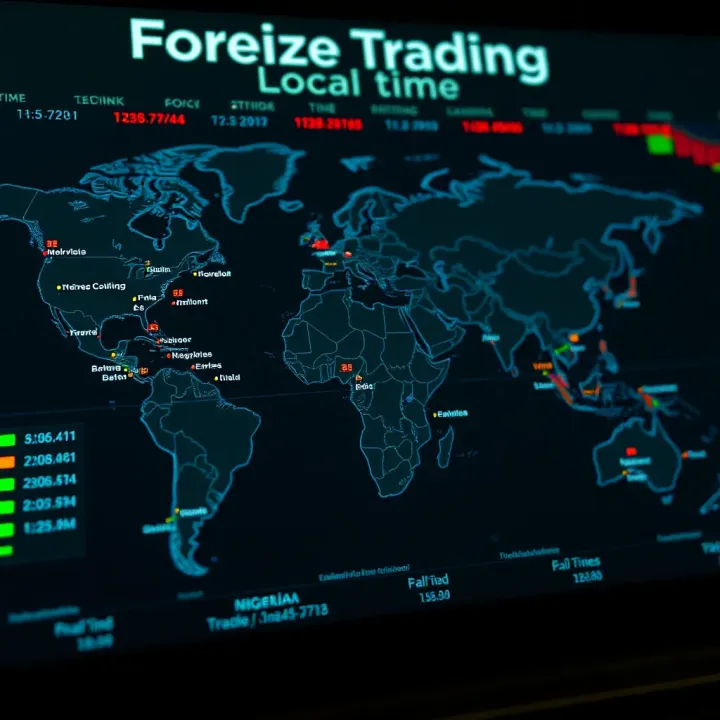
🌍 Learn how to match global forex trading sessions with Nigerian time (WAT). Master timing to tap into ₦ markets and boost your trading game in Nigeria.
Based on 11 reviews